Umrah Budget
Umrah Budget - Practical Tips to Save and Avoid Hidden Costs
Umrah Travel Expert
Islamic Travel Specialist
💡 Key Takeaways
- ✓ Last-Minute Flight Changes: Changing a flight date can cost hundreds.
- ✓ Hotel City Taxes/Tourism Fees: Sometimes added at checkout, not included in the online rate.
- ✓ Excess Baggage Fees: For bringing back Zamzam water and gifts.
- ✓ Premium for Kaaba-View Rooms: A huge markup if requested last-minute; decide early if this is a priority.
Umrah Budget: Practical Tips to Save and Avoid Hidden Costs
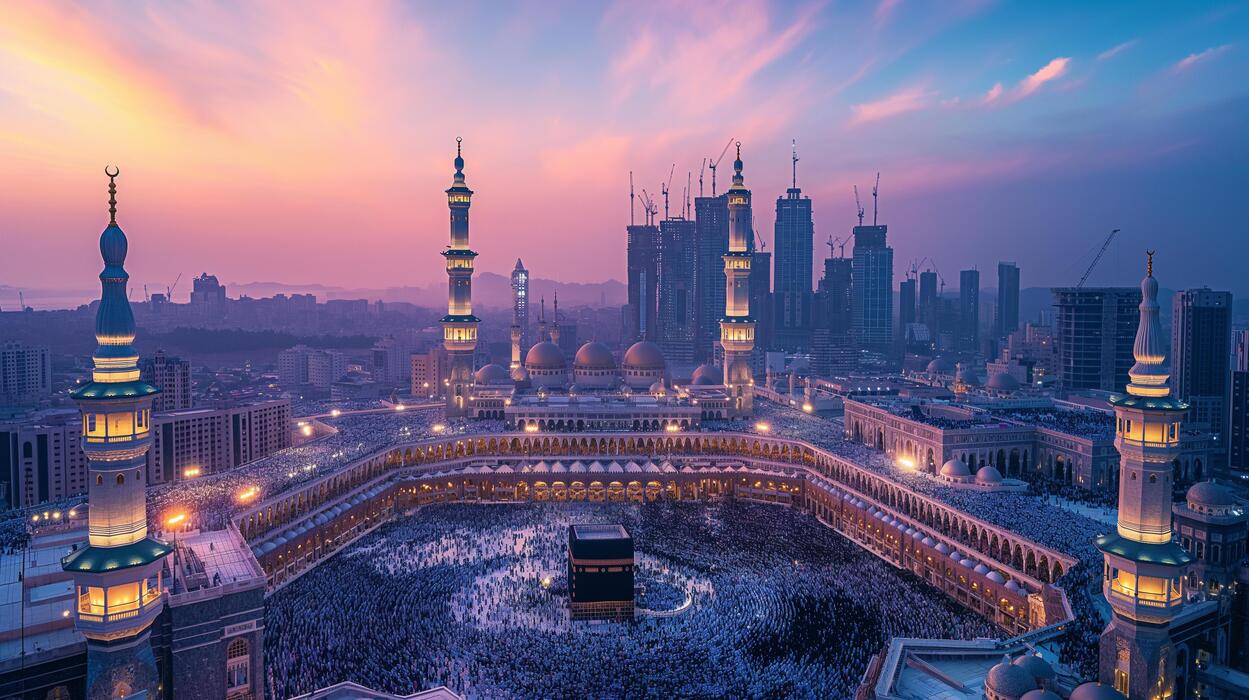
Embarking on Umrah is a journey that touches the soul, but let's address the practical heart of the matter: it's also a significant financial undertaking. If the thought of costs has ever made you pause, wondering how to afford this spiritual milestone, you're not alone.
Crafting a smart Umrah budget isn't about scarcity; it's about intentionality and empowerment. A clear financial plan doesn't limit your experience—it liberates you from stress, allowing you to focus wholly on the profound significance of your pilgrimage.
This guide will walk you through a practical framework to understand the real costs, spotlight common budget pitfalls, and share actionable strategies to save money. Let's transform financial anxiety into confident planning, ensuring your journey is defined by spiritual connection, not financial worry.
Your Money, Your Journey: The Mindset for a Smart Umrah Budget
Before we look at numbers, let's explore your mindset. When you search for information on an Umrah budget, what are you truly seeking? You're looking for a pathway to possibility. There's a deep desire to perform this sacred act, mixed with a very real concern about affordability.
Your intent is for transparency and control. You expect honest breakdowns, not vague estimates. You want to feel like a savvy planner who can make informed trade-offs—understanding where to save without sacrificing core comfort and where to invest for maximum spiritual return.
Recognizing this mindset is the first step. A successful Umrah budget isn't the cheapest one; it's the one that aligns your finances with your personal priorities, giving you peace of mind every step of the way.
Building Your Umrah Budget: The 4 Essential Cost Pillars
Think of your total trip cost as a structure supported by four main pillars. If one is weak, the whole plan becomes shaky. These pillars are: 1. Travel & Transit (flights, visas), 2. Your Sacred Sanctuary (accommodation), 3. Living Expenses (food, local transport, extras), and 4. Contingency & Spirituality (emergency fund, charity).
A robust Umrah budget requires you to gather reliable estimates for each. Most people fixate only on flights and hotels, but it's the other two pillars—daily living and contingency—where hidden costs love to hide. We'll build your budget by examining each pillar in detail.
Pillar 1: Getting There – Managing Flight & Visa Costs

This pillar covers your journey from your doorstep to Saudi Arabia. The costs here are highly variable but manageable with strategy.
Flight Strategy: Timing, Hubs, and How to Find Deals
Flights are typically your largest variable expense. To master this part of your Umrah budget, you must become a student of timing. Book early—aim for 3-4 months in advance, or even 6 for peak seasons like Ramadan. Be flexible with your departure airport; sometimes flying from a major hub like London Heathrow offers better deals than regional airports.
Use flight comparison tools but set price alerts. Consider indirect flights with a single, efficient connection; they can be significantly cheaper than direct routes. Remember, the money you save here can be reallocated to a better hotel location—a trade-off that dramatically improves your daily experience.
Visa Fees & Health Insurance: Fixed but Essential
These are non-negotiable, fixed costs. The Saudi Umrah e-visa has a set fee, and you are required to have valid health insurance, which is often bundled with the visa application.
While you can't shop around to save on the visa itself, you can ensure you have all documents correct to avoid costly reapplication fees. Factor these into the "fixed costs" section of your Umrah budget spreadsheet right from the start so there are no surprises.
Pillar 2: Your Sacred Sanctuary – Strategizing Accommodation Costs
Your choice of hotel is the most critical lever in your Umrah budget. It's not just a room; it's your base of operations and a major determinant of your daily quality of life.
The Proximity vs. Price Equation: What You're Really Paying For
Here’s the fundamental equation: as your hotel's walking distance to the Haram decreases, the price generally increases. However, this isn't just paying for luxury; you're investing in time, energy, and convenience.
A hotel that's a 5-minute walk away may cost more per night than one 25 minutes away. But those saved 40 minutes per trip (20 there and back), multiple times a day, add up to hours of extra time for prayer, rest, and reflection. When planning your Umrah budget, view accommodation as an investment in your spiritual capacity, not just a place to sleep.
The Expert Shortcut: Using a Specialist to Lock in Value
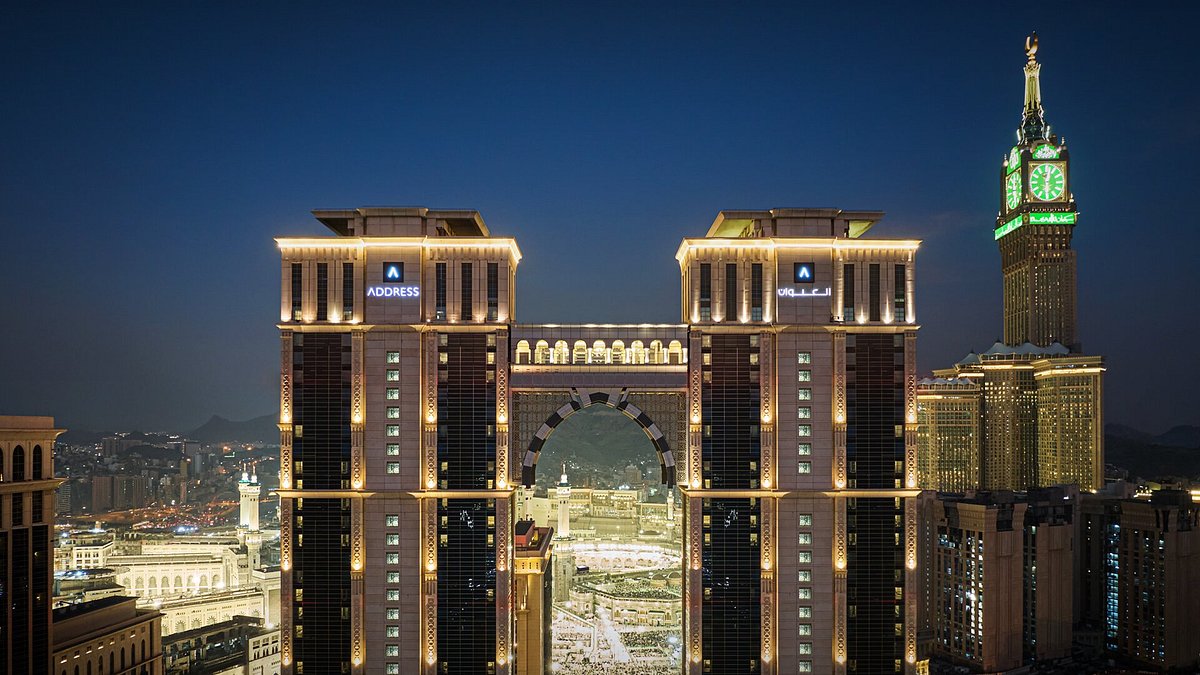
This is where a specialist platform like HotelsInMakkah.com becomes a powerful financial tool. Trying to verify "true walking distance" and compare prices across dozens of sites is time-consuming and risky. We simplify it. Our Best Price Guarantee ensures you get the verified best rate for your chosen dates and hotel.
More importantly, we help you make an informed choice. You can compare a 4-star hotel 10 minutes away with a 5-star hotel 5 minutes away and see the exact cost impact. This transparency allows you to optimize your Umrah budget by allocating funds to the pillar that matters most to you, with the confidence you're not overpaying.
Pillar 3: Daily Life – Budgeting for Food, Transport & Ziyarah
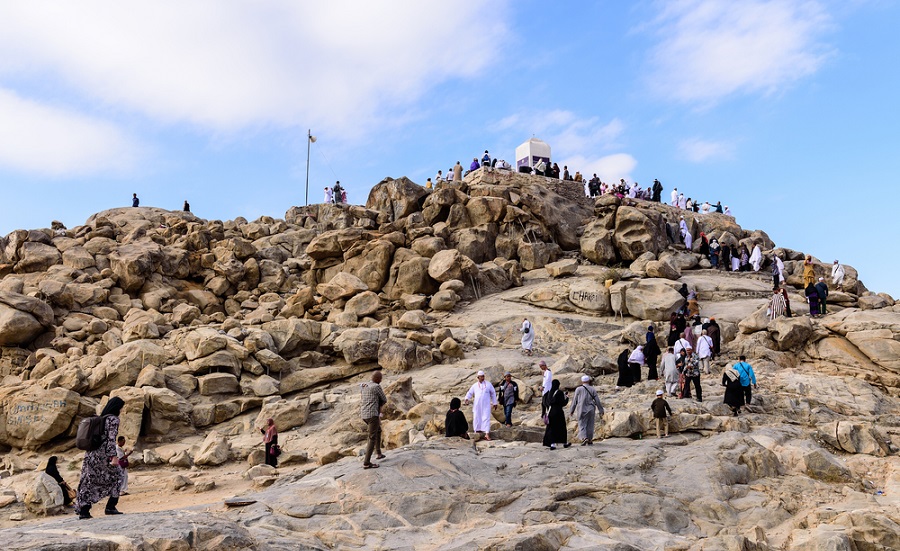
This pillar is for your in-country expenses. Food can range from economical local eateries to hotel restaurants. Budget for simple meals and the occasional treat. Local Transport includes airport transfers, travel between Makkah and Madinah (the Haramain train is a fantastic, fixed-cost option), and any taxi fares.
Ziyarah Tours to historical sites may have guide fees. A common mistake is underestimating these daily costs. Allocate a realistic daily allowance (e.g., £20-£40 per person) in your Umrah budget to avoid dipping into your emergency fund for routine expenses.
Pillar 4: Peace of Mind – The Contingency & Spiritual Fund
This final pillar is what separates a stressful trip from a serene one. The Contingency Fund (5-10% of your total budget) is for true unknowns: a change in flight, a medical co-pay, or an essential purchase. The Spiritual Fund is often forgotten but deeply important.
This is money you consciously set aside for charity (sadaqah), for buying gifts for loved ones back home, or for a personal spiritual offering. Building these into your Umrah budget from the outset makes them intentional acts, not financial afterthoughts.
5 Common Hidden Costs That Can Derail Your Umrah Budget
Let's name the stealthy budget-breakers:
- Last-Minute Flight Changes: Changing a flight date can cost hundreds.
- Hotel City Taxes/Tourism Fees: Sometimes added at checkout, not included in the online rate.
- Excess Baggage Fees: For bringing back Zamzam water and gifts.
- Premium for Kaaba-View Rooms: A huge markup if requested last-minute; decide early if this is a priority.
- Unplanned Taxi Fares: From choosing a hotel that's farther than expected.
Forewarned is forearmed. A good Umrah budget anticipates these.
From Theory to Spreadsheet: Creating Your Personal Umrah Budget
Open a spreadsheet. Create columns for each of the Four Pillars. Start researching and plugging in estimates: flight prices from Skyscanner, hotel prices from HotelsInMakkah.com, a daily food allowance. Create a "Quoted" and an "Actual" column. Seeing the numbers in black and white is empowering. It transforms your Umrah budget from a vague worry into a manageable project plan.
The 12-Month Pilgrim: A Timeline to Save and Book Smartly
- 12 Months Out: Open a dedicated savings account. Set a monthly savings goal.
- 6 Months Out: Research flights and hotels. Define your ideal Umrah budget.
- 4-5 Months Out: BOOK YOUR HOTEL. Locking in accommodation secures your biggest cost and aids visa application.
- 3-4 Months Out: Book flights. Apply for your visa.
- 2 Months Out: Finalize daily budget. Purchase travel insurance.
- 1 Month Out: Confirm all bookings. Start packing.
Why a Clear Umrah Budget is an Act of Spiritual Preparation
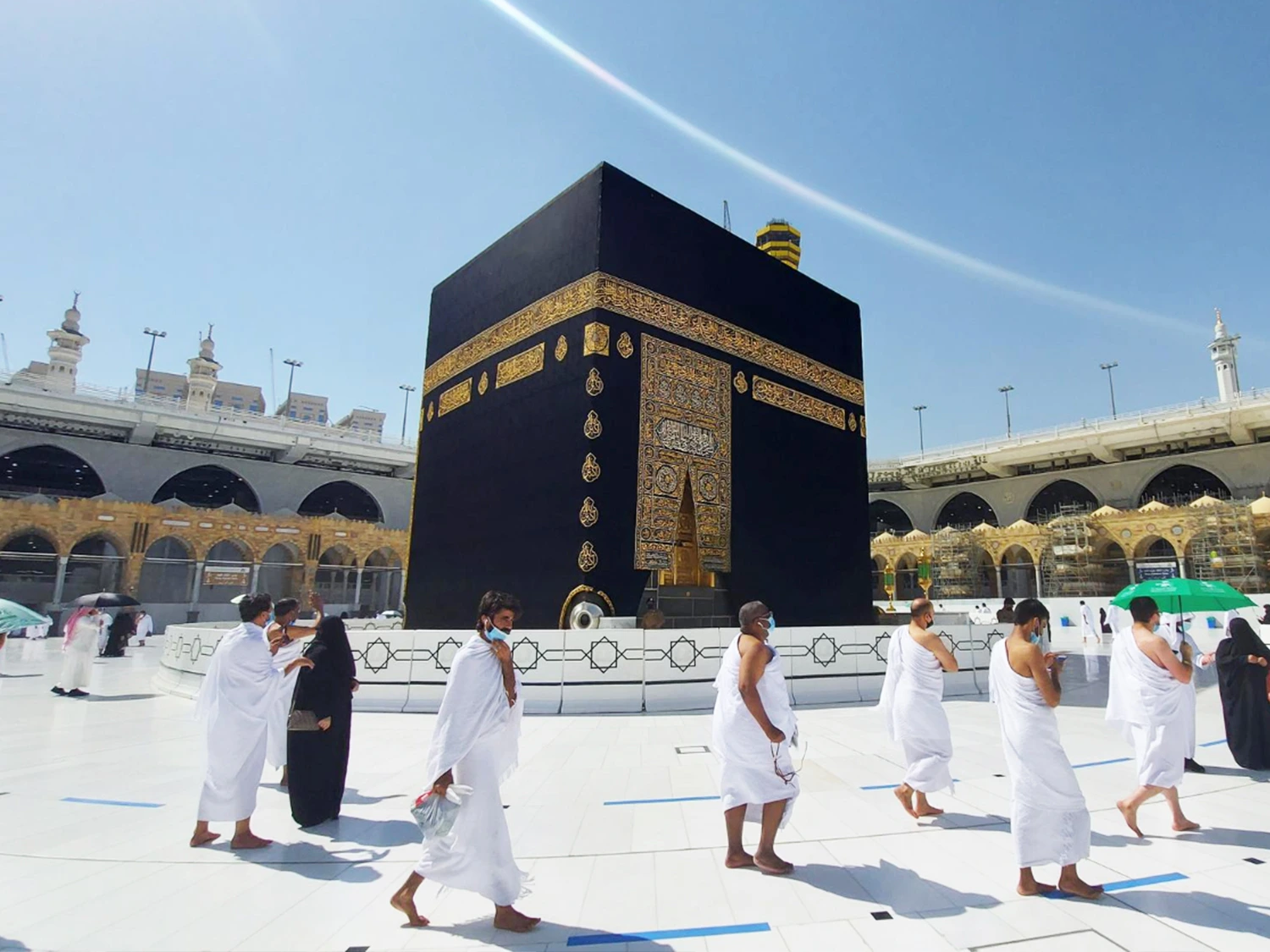
Financial stress is a distraction. By diligently planning your Umrah budget, you remove a major source of worldly anxiety. This act of stewardship frees your mind and heart. It allows you to approach your journey with khusyu' (tranquility), knowing the practicalities are cared for. In this way, crafting your budget becomes the first, practical step of your spiritual preparation.
Your Journey, Financially Empowered – A Final Thought
Planning your Umrah budget is not a barrier to your spiritual journey; it is the foundation. It requires honesty, research, and a shift from seeing costs as obstacles to managing them as tools. By following this framework—understanding the four pillars, hunting hidden costs, and partnering with experts for key components like hotels—you take full control.
A trusted partner like HotelsInMakkah.com can be your greatest asset in this process, turning the complex task of finding value accommodation into a simple, guaranteed transaction with their Best Price Guarantee. You move from hoping you can afford it to knowing you have a solid plan. Let this financial clarity, built on expert guidance, be the first blessing of your pilgrimage, paving the way for a journey focused entirely on faith, connection, and peace.
Your Umrah Budget Questions, Answered
Should I save first or book first?
Book major costs (flights/hotels) as you save, using credit cards with protection or flexible booking policies. Don't wait to have all cash in hand, as prices rise.
Is an all-inclusive package better for budgeting?
Often, yes. Packages fix your major costs upfront (flights, hotels, transfers), eliminating variables and making your Umrah budget perfectly predictable.
How much should I budget for daily food?
A realistic range is £15-£30 per person per day if mixing local eateries with occasional hotel meals. Street food and supermarket snacks are very economical.
What's the single best way to save on my Umrah budget?
Book your hotel extremely early (4-6 months in advance) using a Best Price Guarantee. This locks in your largest variable cost and provides a stable foundation.
Can I perform Umrah on a very tight budget?
Yes. It requires prioritization: opt for value hotels a short commute away, cook simple meals, travel off-peak, and focus on the core spiritual experience over luxury.
📚 You Might Also Like
Umrah Expert Team ✓
Our team of experienced Umrah specialists provides 5-star rated service to help pilgrims plan their perfect journey.
Content Verification & Accuracy
All information on this page has been verified by our team of local Umrah travel experts.
Our Commitment: We update and verify all content regularly to ensure accuracy for your Umrah journey.
🏨 Featured Hotels for Your Umrah
Ready to Book Your Umrah Journey?
Compare verified hotels in Makkah and Madinah with guaranteed best prices.
Browse Hotels →