
7 Common Mistakes to Avoid During Umrah in Ramadan
Mistakes to Avoid During Umrah in Ramadan — practical, evergreen guidance from our licensed Umrah specialists, written for pilgrims booking hotels in Makkah near Haram and our hotels in Madinah near the Prophet's Mosque. Every claim in this guide is verified against current Saudi Ministry of Hajj guidance and our own operational data from thousands of completed Umrah journeys. If you're planning your trip now, jump to our all-inclusive Umrah packages or read related deep-dives in the section below. Questions? Our WhatsApp team replies in under 30 seconds, 24/7.
Learn the top mistakes to avoid during Umrah in Ramadan and discover practical tips to make your pilgrimage smoother, more comfortable, and spiritually focused during the holy month.
Quick overview
Mistakes to Avoid During Umrah in Ramadan: quick overview
Learn the top mistakes to avoid during Umrah in Ramadan and discover practical tips to make your pilgrimage smoother, more comfortable, and spiritually focused during the holy month.
- Choose hotels based on walking routes, not just distance.
- Build physical stamina before travel—Umrah is more demanding during Ramadan.
- Move early for prayer times to avoid congestion and stress.
- Eat balanced meals and spread hydration between Maghrib and Fajr.
- Complete digital permits and app setups well before departure.
- 🛡️ Licensed Travel Agency
- ⭐ 5-Star Rated Service
- 🏆 Best Umrah Service
- ✅ Verified Information
Key Takeaways
- Choose hotels based on walking routes, not just distance.
- Build physical stamina before travel—Umrah is more demanding during Ramadan.
- Move early for prayer times to avoid congestion and stress.
- Eat balanced meals and spread hydration between Maghrib and Fajr.
- Complete digital permits and app setups well before departure.
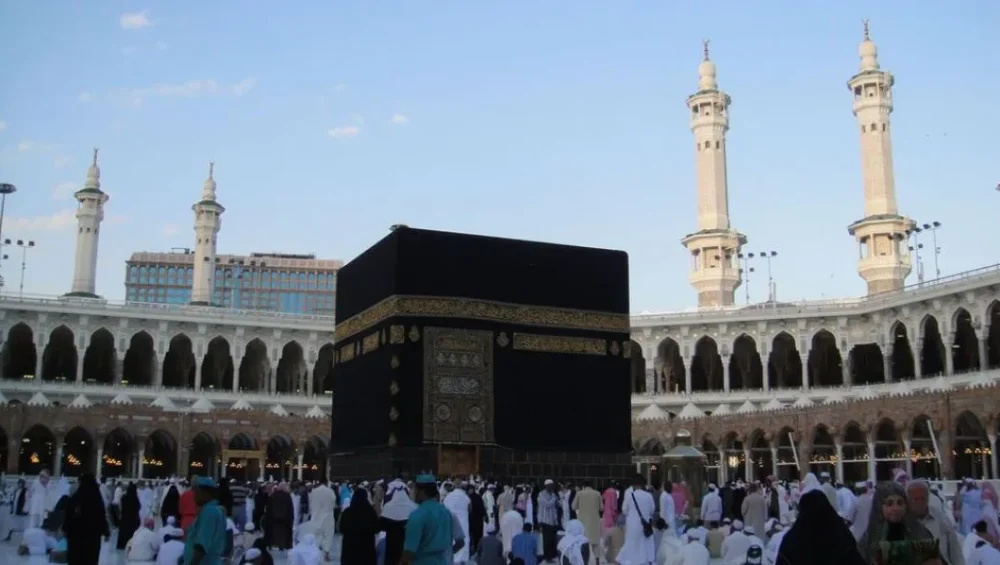
The main mistakes to avoid during Umrah in Ramadan are poor hotel choice, bad timing, weak preparation, and too little rest. You can prevent most problems before you travel, then adjust your plans once you arrive.
Umrah in Ramadan is not an ordinary trip with fasting added. Prayer times shape your whole day. Entrances fill early, roads slow down, and short walks become tiring in the heat.
Families need an honest plan, especially with children or elderly parents. The same applies if anyone uses a wheelchair or pram. A route that looks easy on a map may feel very different in a crowd.
We’ve seen pilgrims arrive with good intentions but an impossible timetable. They plan several hotel-to-Haram journeys each day and expect to find space just before salah. Within two days, they have sore feet, little sleep, and frustrated relatives.
You cannot remove every difficulty during a busy holy month. You can avoid creating extra problems for yourself. That leaves more attention for worship throughout your stay in Makkah.
1. Is the cheaper hotel really practical?
A hotel described as “near the Haram” may still be inconvenient. The map may show a short straight line, but you cannot walk through buildings. Your real route may include barriers, busy roads, slopes, or a longer mosque approach.
This is where people get it wrong. They compare room prices but ignore the daily effort of reaching the Haram. A 400 or 500-metre walk sounds easy while you are sitting at home.
That distance may take five to ten minutes on a quiet street. In a heavy crowd, it can feel much longer. It is harder after Tawaf, while fasting, or when supporting an elderly parent.
Now add a pram, slow lifts, and a large hotel lobby. You may also need to wait for everyone to put on their shoes. A hotel advertised as “five minutes away” may not be five minutes from your room door.
In our experience, even the 400-metre walk feels longer with a pram. Wheels catch on rough kerbs, and lifts may arrive already full. Luggage makes the same route harder on arrival and departure days.
A hotel farther away can still be a good choice. It may suit a smaller budget, especially if transport is dependable. It also works if you plan to stay near the Haram for several hours.
The trade-off is less freedom. A shuttle will not always leave when you want. It may also drop you far from your preferred entrance. Roads and drop-off points often become crowded near prayer times.
If possible, look for a genuine 5 to 10-minute walk. Then check what the hotel means by that claim. Ask about the exact route, slopes, steps, road crossings, and lift access.
If someone uses a wheelchair, confirm that the full route is suitable. One awkward kerb can cause a real problem in a moving crowd. Ask recent guests which entrance they normally use.
official Makkah hotel booking site lists walking information. This guide to choosing hotels near the Haram explains what else to check. Whatever site you book through, study the walking route carefully.
2. Can your body handle all the walking?
Many pilgrims prepare documents, duas, and ihram but forget about stamina. Umrah includes much more walking than the rituals alone. Airports, hotel corridors, mosque approaches, diversions, and meal trips all add distance.
Tawaf and Sa’i come on top of that daily movement. You may also stand for long periods. Even waiting for a lift can be tiring when the lobby is full.
Start regular walking two to three months before travel, if you can. Increase the distance slowly. One exhausting weekend walk is less useful than steady practice several times a week.
Your aim is not speed. You need to walk, stand, rest briefly, and begin again without becoming exhausted. Try the footwear you plan to wear outside ihram.
This helps you find rubbing, tight areas, or weak support before travel. Do not take brand-new shoes and hope they will be comfortable. A small blister can become very painful after repeated walking.
Do not exercise in dangerous heat to “toughen yourself up”. Some warm-weather walking may help, but safety comes first. Choose a safe place and stop if you feel unwell.
Speak to your doctor if you have diabetes, heart trouble, breathing problems, or limited mobility. Ask clearly about fasting, medicine timings, and physical effort. General advice from another pilgrim may not suit your condition.
Pack for tired feet, not just for good days. Take blister dressings, spare socks, and prescribed medicine in its original packaging. A light refillable bottle is useful during non-fasting hours.
Keep essential medicine in your hand luggage. Checked bags can be delayed. If you use a folding stick or wheelchair, test it before departure and learn how it closes.
There is no shame in using a wheelchair or taking a longer rest. The mistake is pushing through pain until it becomes an injury. That can cost you several days of worship.
3. When should you go to the Haram?
A Ramadan day in Makkah needs a simple rhythm. Without one, you may leave at the busiest time repeatedly. You then arrive tired and spend more time searching for an entrance or relative.
Do not leave the hotel just before the adhan and expect your usual space. Areas may already be full. Security staff may direct you to another entrance or prayer area.
Allow a generous margin for Maghrib, Isha, and Taraweeh. A ten-minute route can take much longer in a slow crowd. Wheelchairs, prams, and young children need even more time.
Leaving earlier has a cost. You may wait longer and need to carry what you require. Leaving late saves waiting time but creates stress and may leave you far from your family.
After Fajr and later at night can sometimes be easier for Tawaf and Sa’i. However, Ramadan has no guaranteed empty hour. Crowd patterns change, especially during the last ten nights.
Look at the flow from a safe place before entering. Follow staff instructions and change your plan when needed. Never push against a moving crowd to save a few minutes.
Choose a clear meeting point before you enter. “By the main door” is not clear enough. There are many doors, and tired people often forget numbers.
Each adult should carry the hotel name, address, and a working phone. Save a screenshot of the hotel details. Mobile data can become slow at exactly the wrong moment.
We usually tell families to choose one main physical task each day. If you plan Umrah at night, rest beforehand. Do not add a long shopping trip and several extra mosque journeys.
A simple plan completed calmly is better than a packed plan abandoned through exhaustion. You are not failing by changing your timetable. You are responding sensibly to the conditions around you.
4. What should you eat and drink?
Some pilgrims focus on Iftar and forget to drink through the night. Others eat a large fried meal, then enter a dense crowd straight away. Both habits can leave you heavy, thirsty, and uncomfortable.
Break your fast gently. Then consider how much walking and worship remains that night. Soup, fruit, yoghurt, and familiar foods are often easier than a very rich meal.
For Suhoor, choose food that keeps you going steadily. Oats and other complex carbohydrates may help. Dates and yoghurt are also practical if they suit your diet.
Avoid testing unfamiliar spicy food before a long night at the Haram. This is not the best time to discover that a meal upsets your stomach. Choose simple food you already know.
Drink water steadily between Maghrib and Fajr. Do not try to replace the whole day’s fluid in one sitting. Keep water beside your bed and take regular drinks during the evening.
Follow medical advice if you have fluid limits or a special diet. Your clinician’s guidance comes before general travel tips. Take prescribed medicine at the advised times.
Carry a few useful items for delays. Dates, tissues, medicine, and a small snack may be enough during non-fasting hours. Keep the bag light because large bags are awkward in crowds.
Some access points may not accept bulky bags. A heavy shoulder bag also becomes painful after an hour. Share necessary items between responsible adults rather than making one person carry everything.
Plan Suhoor before you go to sleep. Hotel timings, restaurant queues, and delivery delays surprise many first-time visitors. Buying a simple meal earlier can save you from a rushed start.
Waking just before Fajr with no food plan usually ends badly. You may eat too fast and drink too little. The next fasting day then feels much harder.
5. Are your permits and apps ready?

Do not leave digital arrangements until you reach Saudi Arabia. Requirements and booking windows can change. Check the official Nusuk platform well before departure.
Download the required app and create your account. Make sure every name and personal detail matches the travel documents. A small mismatch can take time to sort out.
Rawdah appointments in Madinah often cause disappointment. Suitable slots can be difficult to find during Ramadan. They may be especially limited in the last ten nights.
Check when the relevant booking window opens. Do not assume your group leader can arrange everything after arrival. Completing general digital preparation around a month before travel is sensible.
Some slots may only appear under the platform’s current schedule. Keep checking official information rather than old forwarded messages. Booking rules can change.
Installing the app is not enough. Log in before travel and learn where your bookings appear. Check that your phone number works abroad and that you remember your password.
Save confirmations or screenshots for quick reference. Keep the live app available in case officials need to view it. A power bank is useful because maps, messages, and documents drain batteries quickly.
Help older relatives set up their accounts. Still, each traveller should know what has been booked in their name. Keep passport details and booking references organised and easy to reach.
If a slot is unavailable, avoid unofficial sellers and promises from strangers. Use official channels only. One missed appointment should not lead you into a risky arrangement.
6. What changes in the last ten nights?
The last ten nights need more patience and a looser plan. More pilgrims wish to remain in worship for longer. Movement slows, and familiar routes may be managed differently.
A prayer space or meeting point may take longer to reach. Tawaf may also take more time than it did earlier in Ramadan. Do not expect your first-week routine to remain unchanged.
The mistake is not visiting during this blessed period. The mistake is forcing the same plan into busier conditions. Some pilgrims try to fit more into every night, whatever the crowd.
After several nights with little sleep, concentration falls. Small delays begin to feel like major problems. Family members may become short-tempered with each other.
Complete essential arrangements before the busiest period where possible. Leave earlier, carry less, and reduce unnecessary hotel journeys. If you stay at the Haram, take only what you genuinely need.
Agree on a meeting place in case your group separates. Parents should secure identification and hotel contact details with each child. Do not rely on a young child remembering a hotel name.
Wheelchair users and families with prams should expect lift queues. A single lift may arrive full several times. Stand to one side, wait calmly, and avoid blocking people who are leaving.
If you need to discuss directions, move away from doorways first. Follow the crowd’s direction rather than pushing against it. A longer loop is safer than risking a fall.
Your preferred Tawaf time may simply be too crowded. If so, adjust. Pray, recite Qur’an, or make dhikr somewhere suitable, then return when movement is safer.
This is an honest trade-off. You may complete fewer planned activities, but you can do them with better focus. Good planning includes knowing when not to force a plan.
7. Are you making enough time for sleep?
Some pilgrims feel guilty whenever they leave the mosque to rest. They try to attend everything and stay awake through the night. They then continue through the fasting day without proper sleep.
This may work for a short time. It rarely works well across a longer stay. Your body eventually chooses the rest time for you.
Lack of sleep affects judgement as well as energy. People forget meeting points, lose sandals, and become impatient with relatives. They may also make unsafe choices while crossing busy areas.
Worship can become mechanical when you are fighting to stay awake. More hours do not always mean better attention. A rested hour may be more useful than several exhausted ones.
Put sleep into your plan before tiredness becomes severe. A longer sleep after Fajr may work for some pilgrims. Others manage better with a daytime nap before the evening crowds.
Families can share duties for children and elderly relatives. One person should not carry every responsibility. We often suggest agreeing on rest turns before anyone becomes upset or unwell.
Be honest about warning signs. Stop if your feet are badly swollen, you feel dizzy, or a health condition worsens. Seek suitable medical help rather than trying to push through.
Overexertion is not proof of sincerity. Protecting your health may help you worship steadily for the rest of the trip. Otherwise, you may lose several days recovering in your room.
What if you’ve already made a mistake?
Do not spend the rest of your trip regretting the first plan. Most Umrah schedules need some adjustment after arrival. Distances, crowds, and energy levels look different on the ground.
If the hotel is farther away than expected, reduce return journeys. Ask reception or your group leader about shuttle times and reliable drop-off points. Also ask which travel periods are usually calmer.
One well-planned Haram visit may be easier than several tiring trips. You might stay nearby between prayers if that suits your health. Make sure you have food, medicine, and a clear meeting plan.
Do not change hotels in a rush. First check cancellation terms, real room availability, and the new walking route. Moving luggage through busy lifts may create another difficult day.
If you are already exhausted, remove non-essential activities for a day. Sleep properly and eat well during non-fasting hours. Treat blisters before they become deeper or infected.
Move demanding rituals to a time when you have recovered. Anyone feeling unwell should seek medical advice. Do not copy another pilgrim’s medicine or home remedy.
If you missed a digital booking, keep checking official channels. Ask authorised staff what options remain. Avoid letting one unavailable appointment spoil the whole visit.
If crowds block your exact plan, change the plan. Fighting the crowd rarely saves useful time. It usually adds stress and can place weaker family members at risk.
Most importantly, do not compare your Umrah with someone else’s. A young solo traveller can move differently from a large family. Caring for an elderly parent also changes what is realistic.
Focus on completing the core rituals correctly. Keep patience with the people around you. A calmer plan often gives you more presence of heart.
What should you remember before leaving?

The most common mistakes to avoid during Umrah in Ramadan are ordinary planning errors. These include a poor hotel location, weak fitness, bad timing, little water, late permits, and missed sleep.
The last ten nights also need realistic expectations. Routes may change, crowds become heavier, and simple journeys take longer. Your normal routine may no longer work.
You do not need to plan every minute. In fact, rigid timetables often fail first. Leave space for closed entrances, lift queues, delayed shuttles, and tired relatives.
Carry less and leave earlier. Agree on a clear meeting point and a backup plan. Make sure each adult knows the hotel details.
Your aim is not to return with the busiest timetable. It is to complete Umrah properly and keep enough strength for worship. Practical planning supports that aim.
If you are comparing hotels, check the route as carefully as the room. Walking information and booking support are available through HotelsInMakkah.com. Always confirm transport, access, and mobility needs before paying.
What else do pilgrims often ask?
1. What are the biggest mistakes during Ramadan Umrah?
The main errors are choosing an impractical hotel and arriving unprepared for the walking. Other problems include peak-time travel, poor hydration, late permits, heavy crowds, and too little rest.
2. How close should a hotel be?
A genuine 5 to 10-minute walk is convenient for many people. Check the real pedestrian route, not only the map distance. Slopes, barriers, lifts, and wheelchair access all matter.
3. How early should we leave for prayer?
There is no single time that always works because crowd controls change. Leave a generous margin for Maghrib, Isha, and Taraweeh. Allow more time with children or elderly relatives.
4. How should I prepare physically?
Begin regular walking two to three months before travel, if possible. Build the distance gradually and test your footwear. Speak to your doctor about existing conditions and fasting concerns.
5. When is Tawaf less crowded?
After Fajr or later at night can sometimes be easier. No Ramadan hour is guaranteed to be quiet. Watch the conditions, follow staff directions, and change your timing if movement looks unsafe.
6. Is it wrong to leave and rest?
No. Planned rest can protect your health, patience, and concentration. Exhausting yourself early may reduce the worship you can manage later.
7. When should I check permits and bookings?
Set up official apps well before departure. Check appointments when the relevant booking window opens. Use current official information rather than old screenshots or forwarded messages.
8. What changes during the last ten nights?
Crowds become heavier and journeys take longer. Prayer areas may fill earlier, and routes may change. Reduce unnecessary movement and agree on exact meeting points.
9. What should I eat for Suhoor?
Choose familiar food that digests slowly, such as oats or other complex carbohydrates. Yoghurt and dates may also suit you. Drink water steadily between Maghrib and Fajr.
10. What should families carry?
Keep it light. Carry identification, hotel details, essential medicine, tissues, a charged phone, and a power bank. Children should have secure contact information.
Also Read This
Cost of Umrah in Ramadan: Budgeting & Money-Saving Tips
How to Plan Umrah in Ramadan: A Step-by-Step Guide
Umrah in Ramadan vs. Other Months: Which is Best?
Performing Umrah in Ramadan: What You Need to Know
Is Umrah in Ramadan Worth It? Rewards & Practical Tips
When you’re ready to price a stay, you can compare Madinah hotels near the Prophet’s Mosque and see what fits your dates and budget.
You Might Also Like
Akhil Shariff ✓
Umrah Specialist with 10+ years experience
Akhil Shariff is an Umrah specialist with over 10 years of experience arranging hotels, transfers and ziyarath for pilgrims travelling to Makkah and Madinah. He works with hotel partners on the ground in both cities and reviews every guide against what pilgrims actually report back.
🏆 Verified Expert
Frequently Asked Questions About Mistakes to Avoid During Umrah in Ramadan
- How can I know if my hotel is actually practical for walking to the Haram?
- Ask about the exact walking route, including slopes, steps, and lift access. A hotel may be close on a map, but practical routes can be longer and harder, especially when crowded or with elderly relatives. Always check with recent guests or the hotel about typical walking times and challenges.
- What should I do if I realize I’m physically unprepared once I arrive for Umrah?
- Reduce unnecessary walking, remove non-essential activities from your schedule, and rest whenever possible. Manage blisters or soreness immediately, and don't push until exhaustion or injury. Use wheelchairs or take longer rests if needed—prioritize steady worship over a strict schedule.
- Are prayer times really that challenging during Ramadan? Can’t I just leave the hotel a few minutes before Adhan?
- Leaving shortly before Adhan is usually a mistake; crowds move earlier and entrances fill up fast. Security may redirect you, and familiar routes may be blocked or much slower. Always allow extra time, especially before Maghrib, Isha, and Taraweeh, and agree on meeting points with your group.
- How do I make sure I eat and drink properly between Maghrib and Fajr?
- Break your fast with gentle foods and drink water steadily through the night. Avoid eating large, heavy meals right before moving through crowds and choose slow-digesting foods for Suhoor. Don’t rely on last-minute meal plans; organise your food and water in advance for smoother worship.
- What if my digital permits or bookings aren’t ready before I travel?
- Double-check permit requirements and set up apps before departure. Booking windows can change and popular appointments may fill quickly. Don’t rely on last-minute options or unofficial sources. Ask authorised staff if you miss a slot, and keep confirmations or screenshots handy for entry.
- How should I adjust my plan during the last ten nights of Ramadan?
- Expect more crowds and slower movement; don’t force a packed schedule or expect routines to remain unchanged. Carry less, move earlier, and focus on quality worship over quantity. Always ensure group meeting points and essentials are organised to reduce stress during these busiest nights.
- Is it bad to sleep during Ramadan Umrah? Should I try to pray all night every night?
- Skipping sleep leads to poor judgement and exhaustion, affecting worship and safety. Schedule rest after Fajr or naps during the day to protect your energy. Families should share responsibilities, and anyone with health concerns should rest and seek help rather than overexerting themselves.
- What should I do if my hotel is farther than expected or I already feel too tired?
- Reduce how often you move between hotel and Haram, and ask about shuttle timings or quieter travel periods. Don’t change hotels impulsively without checking details. Focus on core rituals, and remove unnecessary activities until you’ve recovered. Most plans need adjustment after arrival; be flexible.
Ready to Book Your Umrah Journey?
Compare verified hotels in Makkah and Madinah with guaranteed best prices.
Browse Hotels →