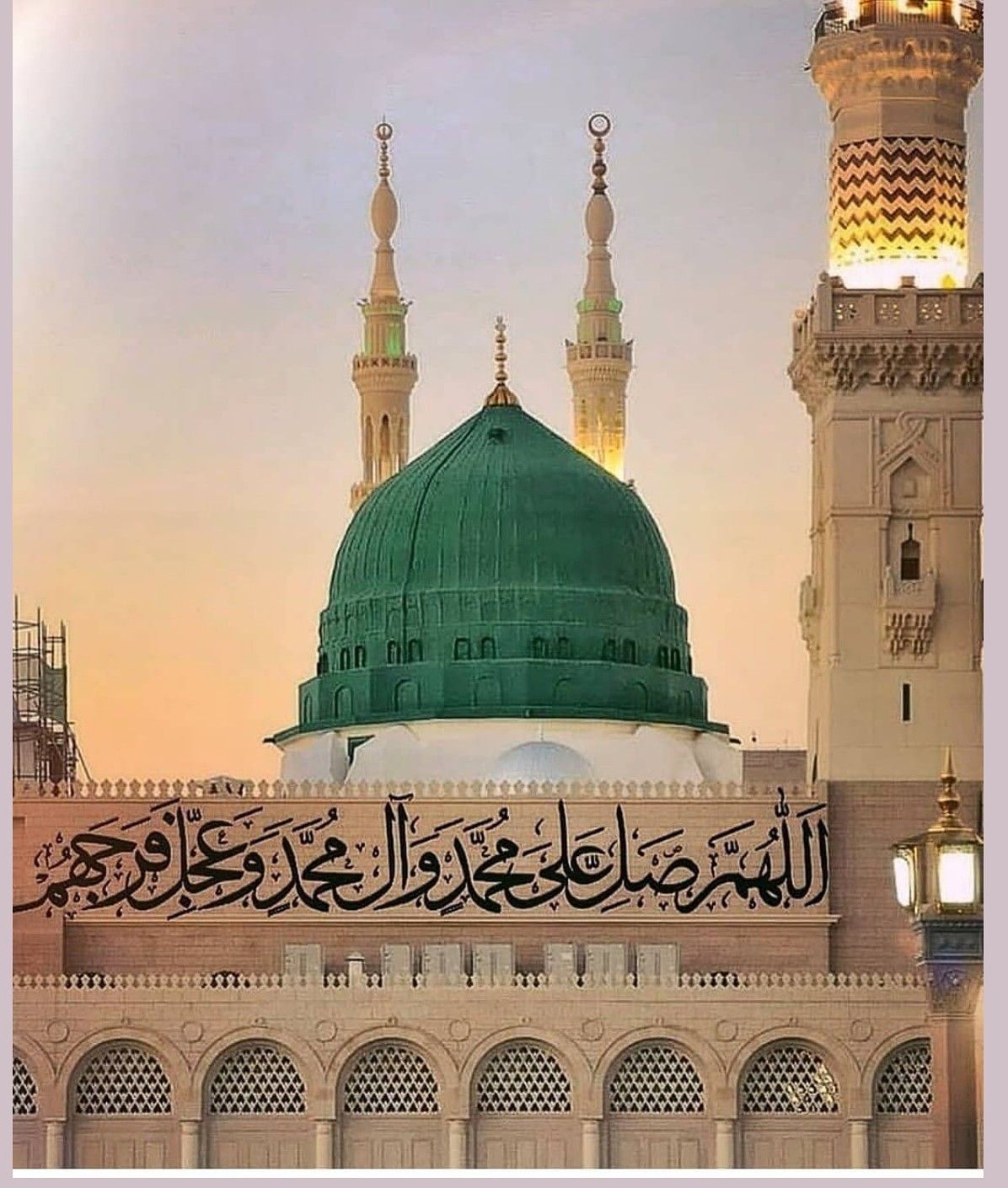
Complete Guide for Itikaf in Masjid al haram in makkah and masjid an nabawi in madinah
Itikaf in Masjid al-Haram — practical, evergreen guidance from our licensed Umrah specialists, written for pilgrims booking hotels in Makkah near Haram and our hotels in Madinah near the Prophet's Mosque. Every claim in this guide is verified against current Saudi Ministry of Hajj guidance and our own operational data from thousands of completed Umrah journeys. If you're planning your trip now, jump to our all-inclusive Umrah packages or read related deep-dives in the section below. Questions? Our WhatsApp team replies in under 30 seconds, 24/7.
Itikaf in Masjid al-Haram means spending the last ten days of Ramadan in spiritual retreat inside the Grand Mosque in Makkah. Registration is required, and only Saudi citizens and residents can usually register, but the experience offers unique spiritual rewards and an unforgettable atmosphere among fellow worshippers.
Quick overview
Itikaf in Masjid al-Haram: quick overview
Itikaf in Masjid al-Haram means spending the last ten days of Ramadan in spiritual retreat inside the Grand Mosque in Makkah. Registration is required, and only Saudi citizens and residents can usually register, but the experience offers unique spiritual rewards and an unforgettable atmosphere among fellow worshippers.
- Registration is only open to Saudi nationals and residents.
- Slots fill within minutes—plan early and stay updated.
- Visitors on Umrah or tourist visas cannot usually register.
- Itikaf is stricter inside Haramain than local mosques.
- Pack simply and prepare for crowded, spiritually intense nights.
- 🛡️ Licensed Travel Agency
- ⭐ 5-Star Rated Service
- 🏆 Best Umrah Service
- ✅ Verified Information
Key Takeaways
- Registration is only open to Saudi nationals and residents.
- Slots fill within minutes—plan early and stay updated.
- Visitors on Umrah or tourist visas cannot usually register.
- Itikaf is stricter inside Haramain than local mosques.
- Pack simply and prepare for crowded, spiritually intense nights.
Itikaf in Masjid al-Haram means staying inside the mosque for worship, usually during Ramadan’s last ten days. You need an official permit for the full organised period, and places are very limited.
During Itikaf, you step away from normal life and focus on Allah. You pray, read Qur’an, make dua and avoid needless talk. The Prophet ﷺ observed Itikaf during the final ten days of Ramadan in the last ten years of his life.
It isn’t a holiday inside the mosque. You’ll sleep on a mat, share space and live with crowds. Yet the quiet hours after midnight can be among the most moving moments of your journey.
Why choose Makkah or Madinah?
Itikaf in your local mosque is a beautiful Sunnah. In the Two Holy Mosques, the setting feels very different. You’re surrounded by pilgrims who have also come to worship.
What is Itikaf in Masjid al-Haram like?
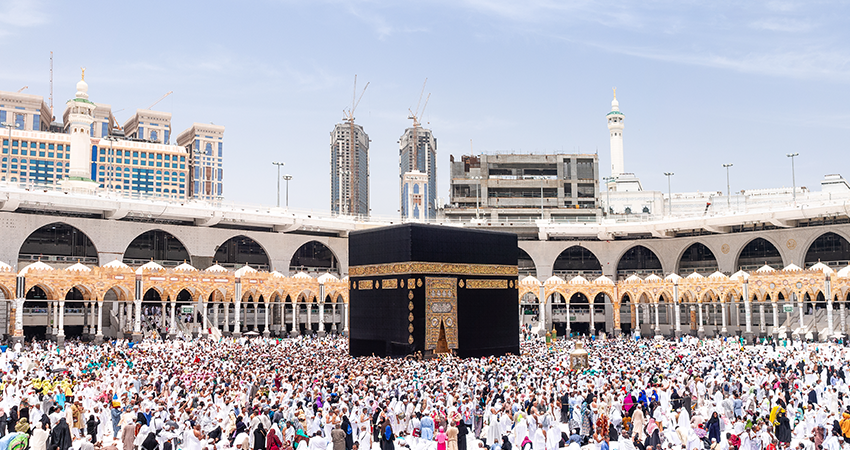
The Ka’bah is close, and tawaf continues through the night. At 3 a.m., you may see thousands praying, crying and reading Qur’an. It feels powerful, but it’s also extremely crowded.
This is where people get it wrong. They imagine ten quiet days beside the Ka’bah. In reality, you may face noise, queues, little sleep and a small personal space.
What is Itikaf in Masjid Nabawi like?
Many first-time pilgrims find Madinah calmer and gentler. The Green Dome and the nearness of the Prophet’s Mosque make the experience deeply emotional. The weather is also usually milder than Makkah.
Masjid an-Nabawi is still busy during the last ten nights. Don’t expect empty prayer areas or easy movement near the Rawdah. Follow staff directions and don’t block walkways.
Who can register for Itikaf?
Registration is mainly offered to Saudi citizens and residents with a valid Iqama. Visitors using Umrah or visit visas are generally not eligible. This is due to crowd control and limited space.
Official rules can change, so check before making firm plans. If you’re on an Umrah visa, watch the official website when applications open. Keep your expectations realistic because places can fill within minutes.
How do you register?
- Open the official Haramain website.
- Select the Itikaf service and press “Start Service”.
- Sign in through Nafath or create the available visitor account.
- Choose Masjid al-Haram or Masjid an-Nabawi.
- Upload a clear passport-style photograph.
- Enter a working Saudi mobile number for the OTP.
- Watch the full awareness video.
- Check every detail, then submit the application.
Have your photograph, ID details and mobile beside you before starting. Use reliable internet if possible. Heavy traffic may slow the website or make it stop working.
Don’t keep pressing the submit button if the page freezes. First check whether the application went through. Duplicate submissions can cause trouble.
When does registration open?
- Registration is scheduled to open on 5 March at 11:00 a.m. Saudi time.
- Applications close when the quota is full.
- This may happen on the same day or the following day.
- Itikaf begins after Maghrib on 20 Ramadan.
- It ends before Eid, after the moon sighting is confirmed.
Check the official service for any change in dates or eligibility. Don’t rely only on social media messages. Old screenshots often return each Ramadan and confuse pilgrims.
What should you pack?
- Two or three sets of loose, comfortable clothes.
- Simple white clothing for men and plain abayas for women.
- A sleeping mat and light blanket, as marble floors feel cold.
- A reusable water bottle.
- A small Qur’an, tasbeeh and dua book.
- Basic toiletries in a compact bag.
- A power bank and long charging cable.
- Dates, nuts and other light snacks.
- A small umbrella or raincoat for outdoor prayer areas.
- Your permit and a printed backup copy.
Pack lightly because storage space is tight. Large suitcases are awkward in crowds and lifts. We usually tell pilgrims to leave their main luggage at the hotel.
Keep medicine in its original packet and bring enough for the full stay. Put essentials in one small bag that you can carry easily.
What does a normal day feel like?
You may wake for Tahajjud around 2 or 3 a.m. The mosque will already be busy. After prayer and dua, you may rest briefly before Fajr.
Much of the day passes with Qur’an, dhikr and quiet reflection. Even in a crowd, people usually stay focused on their own worship. Simple iftar food can feel wonderful after a long fast.
Taraweeh brings another large wave of worshippers. Moving through the mosque can take time, especially around entrances. Return to your place early rather than pushing through a closing gap.
Some days you’ll feel peaceful. On others, tiredness and noise may test your patience. Both are part of the experience.
Which rules must you follow?
You shouldn’t leave the mosque except for ghusl, medical need or another genuine necessity. Avoid business, needless conversations and anything that disturbs worshippers. Some opinions also restrict perfume for men during Itikaf.
Keep your area clean and don’t spread belongings into walkways. Mosque staff manage huge crowds, so follow their instructions promptly. If you’re unsure, ask rather than guessing.
Two mistakes appear often. Pilgrims skip the terms during registration, or they forget their permit. Save it on your phone and carry a printed copy.
Can women and families manage Itikaf?
Women can observe Itikaf in the designated women’s sections of both mosques. Families often arrange for one parent to complete Itikaf while the other stays with the children. Some women may choose a shorter period instead.
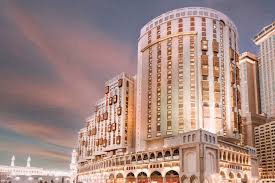
A nearby hotel makes this much easier. Aim for about 300 to 500 metres if your budget allows. A short map distance can still feel long with crowds, a pram or tired children.
In our experience, lifts and busy crossings add more time than families expect. Check the actual entrance route, not just the straight-line distance. HotelsInMakkah.com shows walking distances and property photographs.
Where should you stay?
For Makkah, arrive one or two nights before Itikaf. This gives you time to rest, learn the entrances and adjust to the crowds. Keep one hotel night after Itikaf if you can.
The same approach works in Madinah. Don’t choose a hotel only because it says “near the Haram”. A property advertised as 50 metres away may involve an indirect route or uphill walk.
A supposed bargain can become tiring if the real walk is closer to 800 metres. In hot weather, that may feel like a 25-minute trek. Check HotelsInMakkah.com for real distances before booking.
How will you feel during Itikaf?
During the first two days, excitement often carries you. By days three and four, poor sleep may catch up with you. You may wonder whether you can finish.
Days five to seven can bring deeper calm and clearer focus. During the final days, many pilgrims don’t want the experience to end. This change in mood is normal.
Don’t compare yourself with the person beside you. Someone may read for hours while you need rest. Protect your health so you can worship with attention.
What happens after Itikaf?
Don’t rush straight back into every old habit. Keep one or two practices that you can manage at home. This might be regular Tahajjud, less phone use or daily Qur’an.
The aim isn’t to recreate the Haram at home. It’s to carry some of its discipline into ordinary life. Start small so the habit lasts.
Why are applications rejected?
- The photograph is unclear or shows sunglasses.
- The applicant has no working Saudi mobile number.
- The application is made from outside Saudi Arabia where access may be blocked.
- The awareness video isn’t watched fully.
- The same person submits several applications.
Check names and ID numbers carefully before sending the form. A small typing mistake can be difficult to fix after places have filled.
What if you don’t get a permit?
Not receiving a place doesn’t cancel your intention or your worship. You can still pray in the Haram, read Qur’an and spend part of the night there. Just don’t occupy an Itikaf area without permission.
Prepare your stay sensibly and keep making dua. You can check Makkah accommodation and compare suitable Makkah hotel options.
A useful dua is: “Allahumma ballighna Ramadan, wa ballighna laylat al-qadr, wa ballighna i’tikaf fi haramik.” May Allah invite you to His House and accept your worship. Ameen.
Common questions
- Can I do Itikaf for only a few days? Yes. A shorter Itikaf, with a minimum of one day, may be possible outside the official period. The organised last-ten-days stay needs a permit.
- What if I become ill? You may leave for medical treatment. Tell mosque staff so they know why you’re leaving.
- Is food provided? Simple iftar and suhoor may be distributed in set areas. Bring your own dates and water as a backup.
- Can my family stay in a hotel? Yes. Many families arrange this. Choose somewhere close enough for practical visits and easy child care.
- Can an Umrah visa holder apply? The chance is currently low. Check the official website when registration opens because rules can change.
When you’re ready to price a stay, you can browse every Makkah hotel with live nightly rates and see what fits your dates and budget.
You Might Also Like
Faraz ✓
Umrah Specialist with 10+ years experience
Akhil Shariff is an Umrah specialist with over 10 years of experience arranging hotels, transfers and ziyarath for pilgrims travelling to Makkah and Madinah. He works with hotel partners on the ground in both cities and reviews every guide against what pilgrims actually report back.
🏆 Verified Expert
Frequently Asked Questions About Itikaf in Masjid al-Haram
- Can foreigners on Umrah visas do Itikaf in Masjid al-Haram?
- No, only Saudi nationals and residents with valid Iqama can register for Itikaf in Masjid al-Haram. If you are visiting on an Umrah or tourist visa, you are not eligible for official registration, but you should keep checking the official site as rules can sometimes change without notice.
- How do I actually register for Itikaf in Makkah or Madinah?
- You register online at alharamain.gov.sa by logging in, uploading a photo, entering your Saudi mobile number, and watching a required awareness video. Registration opens on a set date and closes as soon as quotas fill, often within hours due to high demand.
- What should I pack for Itikaf in Masjid al-Haram?
- Pack 2-3 comfortable clothes, a sleeping mat, water bottle, power bank, basic toiletries, and snacks like dates or nuts. You’ll also want a small Qur’an and a long charger. The mosque provides some essentials, but the floor gets cold and personal space is limited.
- What happens if I get sick during Itikaf inside the mosque?
- If you get sick, you can leave for medical reasons after informing mosque staff. They are used to such situations and are very understanding. Always keep your permit handy and prioritize your health when needed.
- Can women do Itikaf in the Haramain and how is their experience different?
- Yes, women can do Itikaf in designated women’s sections in both Masjid al-Haram and Masjid an-Nabawi. Many sisters find Madinah more peaceful while Makkah is very intense and busy. Book a nearby hotel for family support and easier logistics.
- What is a typical day like during Itikaf in Masjid al-Haram?
- Days start early for Tahajjud prayers and are filled with worship, Qur’an, dhikr, and rest between prayers. Despite crowds, you’ll notice a deep privacy and moving atmosphere, especially during the nights. Iftar and suhoor are simple and communal.
- What are common mistakes that could get my Itikaf registration rejected?
- Registration gets rejected if you upload an unclear photo, use a non-Saudi mobile number, apply from outside Saudi Arabia, skip the mandatory awareness video, or submit multiple applications. Double-check requirements and documents before submission.
- Is it possible to do Itikaf for only a few days?
- You can perform shorter Itikaf, even just one day, outside the official last-ten-days registration period. However, for the full last ten nights experience in the Haramain, you must register in advance. Check the official site for exact details and timing.
Ready to Book Your Umrah Journey?
Compare verified hotels in Makkah and Madinah with guaranteed best prices.
Browse Hotels →