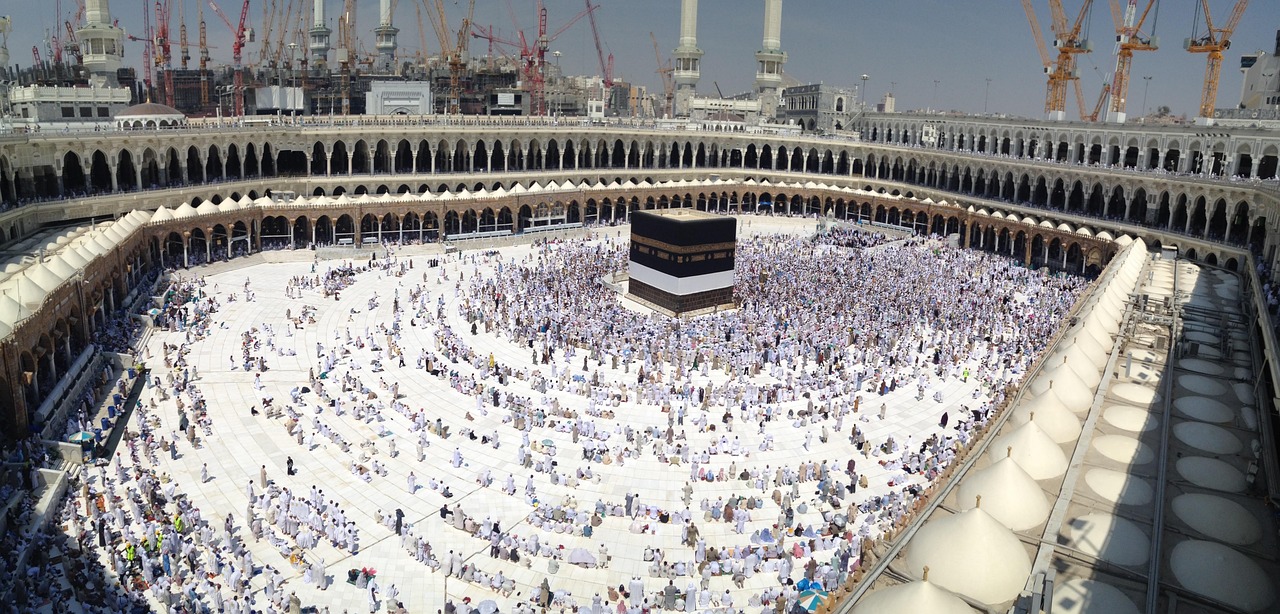
Ultimate DIY Umrah Planning Guide 2025–26
Ultimate DIY Umrah Planning Guide 2025–26 — practical, evergreen guidance from our licensed Umrah specialists, written for pilgrims booking hotels in Makkah near Haram and hotels in Madinah near the Prophet's Mosque. Every claim in this guide is verified against current Saudi Ministry of Hajj guidance and our own operational data from thousands of completed Umrah journeys. If you're planning your trip now, jump to our all-inclusive Umrah packages or read related deep-dives in the section below. Questions? Our WhatsApp team replies in under 30 seconds, 24/7.
For Muslims across the globe, performing Umrah is one of the most profound and spiritually significant journeys of their lives. Traditionally, many pilgrims rely on travel agencies that offer all-inclusive packages. However, in recent years, a growing trend has emerged—DIY Umrah. This approach involves managing every aspect of the umrah pilgrimage independently, including booking flights, arranging accommodations, scheduling transportation, and organizing Ziyarat tours.
Quick overview
Ultimate DIY Umrah Planning Guide 2025–26: quick overview
For Muslims across the globe, performing Umrah is one of the most profound and spiritually significant journeys of their lives. Traditionally, many pilgrims rely on travel agencies that offer all-inclusive packages. However, in recent years, a growing trend has emerged—DIY Umrah. This approach involves managing every aspect of the umrah pilgrimage independently, including booking flights, arranging accommodations, scheduling transportation, and organizing Ziyarat tours.
- DIY Umrah saves money compared to agency packages.
- You control your dates, hotels, and schedule.
- E-visas allow direct, faster visa applications.
- Booking flights and hotels early cuts costs most.
- Verify hotel walking distances—descriptions can be misleading.
- 🛡️ Licensed Travel Agency
- ⭐ 5-Star Rated Service
- 🏆 Best Umrah Service
- ✅ Verified Information
Key Takeaways
- DIY Umrah saves money compared to agency packages.
- You control your dates, hotels, and schedule.
- E-visas allow direct, faster visa applications.
- Booking flights and hotels early cuts costs most.
- Verify hotel walking distances—descriptions can be misleading.
Can I Really Organise My Own Umrah Without an Agent?
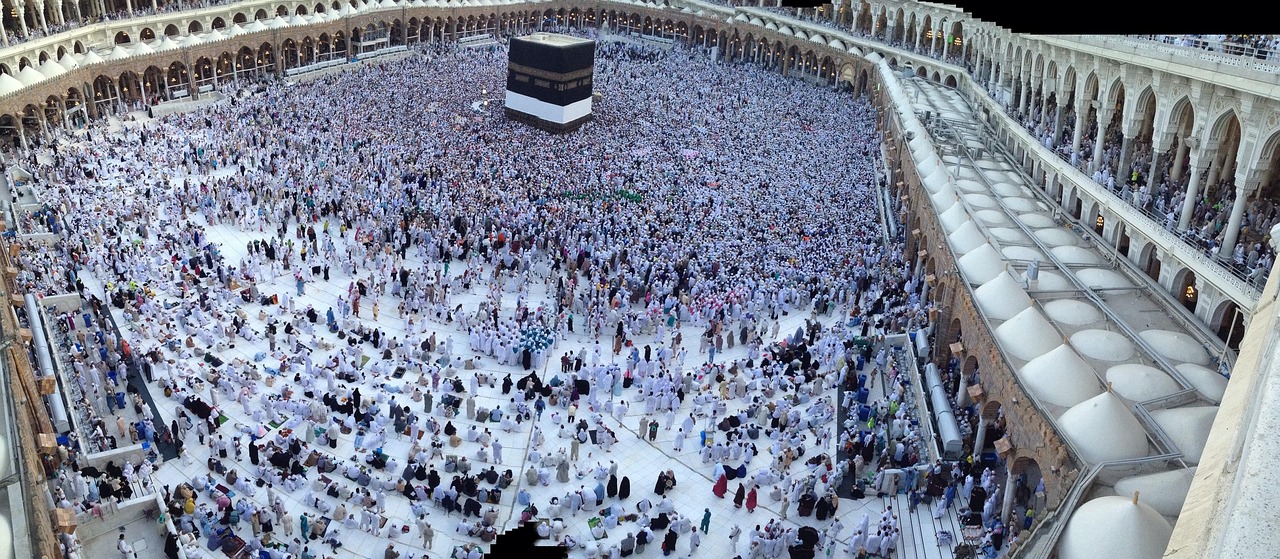
A DIY Umrah is absolutely doable if you’re able to research, book, and stick to a plan. Many of us are finding that putting the trip together personally—booking flights, hotels, transport, and visits—often means a smoother, cheaper, and frankly more meaningful pilgrimage than buying a generic package.
I’ve watched countless families do this beautifully—and learned from those who struggled. This guide is all hard-won advice, meant for anyone serious about their own arrangements, from visa paperwork to rituals and everything between. DIY Umrah gives you control, but you earn every bit of that freedom with some prep and a willingness to make a few phone calls.
Why Not Just Take an Agency Package?
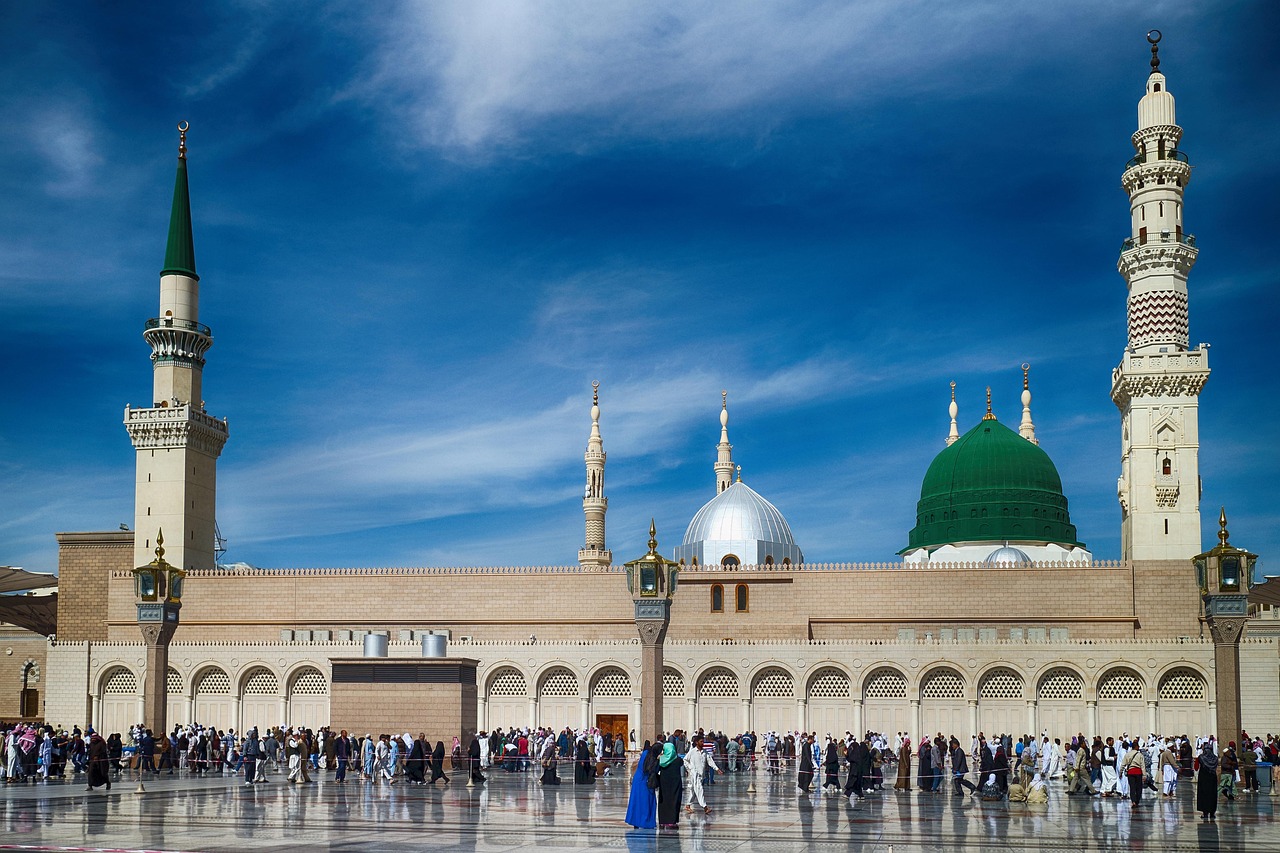
The truth? Costs have gone up, and agencies pass every increase to you. If you don't need a tour leader or fixed group, you can save money and time by doing your own bookings. We usually tell families the trade-off is responsibility—nobody will spoon-feed you—but the benefits are real:
Why are agency packages so expensive nowadays?
Between currency changes, higher demand, and simple inflation, agency rates seem to rise every year. When you organise yourself, you only pay for meals, hotels, and transport you actually want. The result: you can cap costs far lower.
Can I choose my own dates and itinerary?
That’s the hidden power of DIY. If you need to avoid school holidays or prefer a longer spiritual break, you call the shots—no more rushing because “the coach leaves at 7AM sharp”.
Will I really save money on hotels and flights?
Yes, if you’re careful. Shop around: one year, two siblings from the same city ended up only four buildings apart in Makkah—one paid 60% more for an identical room because he booked blindly through a travel agent’s “special deal”. When you do it yourself, you get a clearer view of what’s included and what’s a marketing gimmick.
Does organising myself feel different spiritually?
Almost always. The planning itself becomes part of your preparation. By the time you land, you know what's ahead and move with intention instead of just following the crowd. It’s not for everyone—but for many, it deepens the experience.
What’s the First Step: Visa and Entry Essentials

Let's not sugar-coat it—the paperwork comes first. Skip it, and nothing else matters.
What do I need for a DIY Umrah visa?
A valid passport (six months left before expiry), a recent photo, hotel bookings for Makkah and Madinah, and confirmed return flight tickets. If one is missing, the application sticks.
Has anything changed recently about Saudi visas?
There's an e-visa system now. You don’t need agents for basic applications—just use the official site, upload your docs, and wait for approval. It's a huge improvement over years past.
How long does the whole visa process take?
E-visas might be issued in a day—or sometimes up to three. I tell people: apply at least three to four weeks out, so if there's a hiccup (a rejected photo, an expired booking), you aren’t panicking.
How much is the visa?
Around USD 100 to 120, but that can change if your bank adds a service fee or your country’s rules differ. DIY saves most people about a third over a typical agency mark-up. Double-check each charge before you hit ‘pay’ to avoid surprises.
How Much Will the Whole Trip Cost Me?
Here comes the bit everyone asks about first: money. Costs shift, but these are average ranges from years of group and solo trips:
How much are flights?
The gap is big: off-season, you might pay USD 400 for an adult ticket, while last-minute Eid or Ramadan flights can run up to USD 900 or more. Muharram, Safar, and Rajab, for instance, are less crowded and cheaper.
What about hotel prices?
- Budget hotels: USD 30–60/night
- Mid-range hotels: USD 70–120/night
- Luxury hotels: USD 150–300/night
If walking distance (not street distance) to the Haram is crucial for you—especially with elders or kids—verify claims. hotels in Makkah gives honest walking times, which matters more than glossy photos.
What should I budget for ground transport?
Count on USD 10 to 100, depending on local rides or big intercity coach hires.
Daily meal cost in Makkah or Madinah?
You can easily eat for USD 5 to 15 per person per day, more if you like restaurants. Self-catering or hotel buffets can cost extra, and snacks and drinks outside the Haram add up quickly.
One of our top budgeting tips: book flights and rooms three or four months ahead. It’s the simplest way to shave 20–30% off the price, especially for families.
When (and How) to Book Flights & Hotels Without Regrets
When should I actually hit ‘book’ for flights?
- 8–12 weeks before your trip is usually the sweet spot for airfares.
- Carriers like Saudia, Emirates, Qatar Airways, Turkish Airlines, and Etihad all serve Jeddah and Madinah. The right choice often comes down to baggage allowance, layovers, and who’ll look after your kids during transits.
How do I avoid hotel location regrets?
Are “five minutes to the Haram” hotels really five minutes?
Not always. The walk can feel endless if the route slopes uphill, the pavement’s broken, or construction blocks a shortcut—and with a pram or wheelchair, even 400 metres feels harder. Always scrutinise maps and ask directly.
What level of hotel do most DIY pilgrims pick?
It’s your call: dorms to five-stars all exist, but I’d say don’t go solely by star rating. Real reviews (and seeing a building’s actual spot) matter more. Makkah hotels near Haram lists hotels with truthful walk times, not just “as the crow flies”.
How Do I Get Around—And What Goes Wrong?
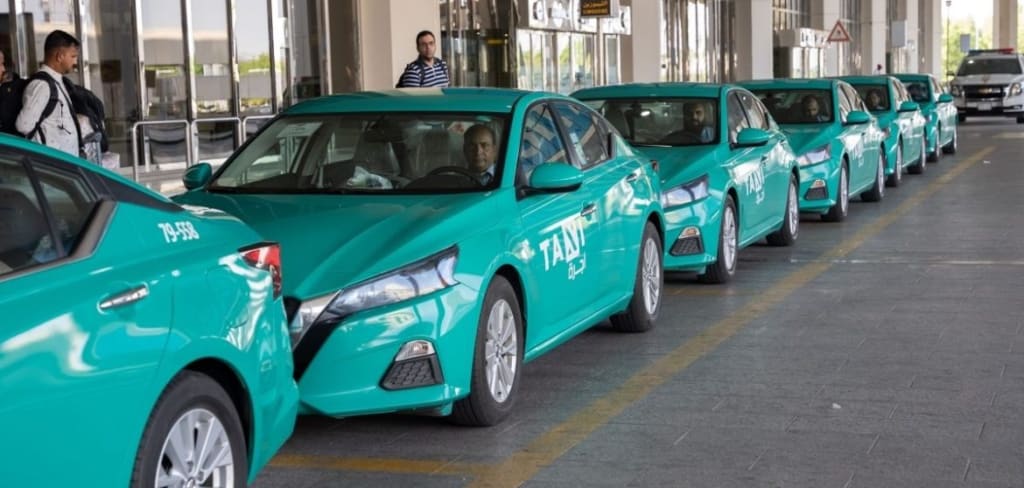
Transport is the part that frustrates new pilgrims the most. Here’s what you should know:
Do I need to book taxis in advance, or can I hail them?
- Taxis: Quick, but surge in price in busy times. If you are arriving after midnight or with lots of bags, booking in advance makes life easier.
- Shuttle buses: Some hotels offer them; handy but don't always run on time and usually stop running before late prayers end.
- Private cars: For groups and families, this is a lifesaver on long routes, but always agree the price before you set off.
How long does it really take between Makkah and Madinah?
By car, count on 5–6 hours. Buses are cheaper, but slower if they stop to pick others. A private car has a higher cost (around USD 150) but is less hassle, especially with children or elders.
Should I pre-book my airport transfer?
Absolutely. The worst start is queuing with sleepy kids at 2AM outside the terminal, getting overcharged by a waiting taxi. Pre-arranged pickups through trusted providers mean you won’t be negotiating fares in broken Arabic half-awake. Umrah hotel booking offers reliable transport too, but use anyone you trust with pre-published rates.
How Do I Make Sure I Perform Every Umrah Ritual Correctly?
This is where a lot of independent pilgrims hesitate: no guide, so you must know the steps. I recommend writing your own clear checklist (not just relying on your phone, as battery anxiety is real).
- Ihram: Enter the state and wear your Ihram garments before you cross the Miqat. Double check your timing if you’re flying in—some pilots announce the Miqat, some don't.
- Tawaf: Seven circuits around the Kaaba. The inside area fills up fast; be patient, and don’t let jostling derail your focus.
- Sa’i: Seven trips, Safa to Marwah. It can feel longer than it looks, especially with tired legs.
- Halq/Taqsir: Men should shave or trim hair; women can cut a fingertip’s worth.
What practical tips make the rituals easier?
- Go during off-peak times—early morning or after midnight. Less crowd, less heat, shorter waits for lifts and toilets.
- Carry a small bottle of water and light snacks if you’re prone to fatigue.
- Read or listen through the ritual steps beforehand. The most common error: mixing up the start/end points of Sa’i, especially when tired.
Is Booking Ziyarat Tours Worth It—Or Can I Do It Solo?
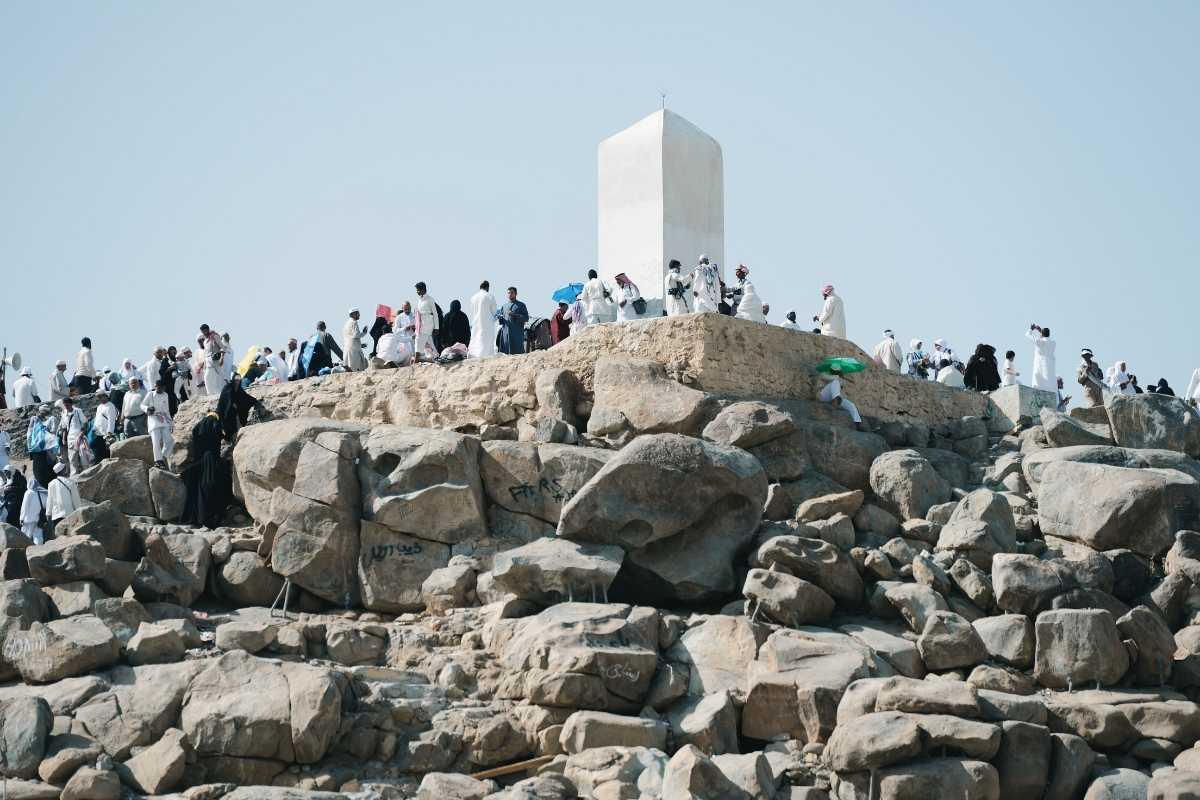
Visiting historic sites in Makkah and Madinah used to require a guide, but now you have options:
Which sites are must-see beyond the Haram?
- Makkah: Jabal al-Nour (Cave of Hira is a climb—be honest about fitness), Mina, and Muzdalifah.
- Madinah: Quba Mosque, Qiblatain Mosque, and Uhud Mountain (best early in the day).
Can I follow along without knowing Arabic?
It's tricky; many guides only speak Arabic, and signs aren't always clear. HotelsInMakkah.com provides Ziyarat transport in English and Urdu, which is much easier if you want context. Private tours cost more but mean you won’t be rushed.
Group tours cut costs, but groups can move too quickly for those travelling with elders or young children.
Where Do DIY Pilgrims Make Mistakes?
Every year, I see the same handful of issues crop up:
- Hotel distances exaggerated: Trust, but verify. Walk it on Google Maps or watch a walkthrough video before you book.
- Hidden fees: Some booking sites slap on taxes last minute; best hotels in Makkah does not, but always look carefully at your payment page.
- Unvetted taxis: Some seem cheap—until you arrive late, or worse, get stranded. Stick to trusted licenses.
- Language confusion: Book tours in languages you actually speak, or risk missing all the context.
- Health oversights: People forget daily medication, then scramble. Bring spares, stay hydrated, and don’t underestimate how tiring walking around both cities gets.
What Should I Pack and Prepare Before Travelling?
- Best travel months? Muharram, Safar, and Rajab are less crowded, with milder weather and shorter lines. Avoid peak times unless you want atmosphere over comfort.
- Packing essentials: Two pairs of Ihram, slippers easy to slip on and off, a portable prayer mat, refillable water bottle, and lightweight, breathable clothing. Add plasters (for blisters) and a simple first-aid kit.
- Helpful apps? Yes: Google Maps is a lifesaver. Download prayer times for both cities and maps ahead of time in case your data SIM fails.
- Fitness? Aim for at least two weeks of light walking daily before you leave. The biggest mistake is underestimating fatigue, especially on the long Sa’i or the uphill climbs during Ziyarat.
Confidently Planning Your Own Umrah—What It Feels Like
You truly can organise a successful Umrah by yourself. It’s a little more effort, but also more rewarding—both on the balance sheet, and in the sense of satisfaction when you perform each step knowing every detail is in your hands.
For those booking through hotels near Masjid al-Haram, a quick summary of perks:
- Hotels listed with accurate—not optimistic—walking times
- Final prices shown, no hidden taxes at the end
- Guided Ziyarat options in several languages
- Pre-arranged transport so you’re not left to bargain at arrivals
Start your prep early, keep everything double-checked, and your Umrah will run smoother than most agency packages. Don’t be afraid to ask questions along the way—most mistakes only happen because nobody thought to check or ask.
You Might Also Like
Akhil Shariff ✓
Umrah Specialist with 10+ years experience
Akhil Shariff is an Umrah specialist with over 10 years of experience arranging hotels, transfers and ziyarath for pilgrims travelling to Makkah and Madinah. He works with hotel partners on the ground in both cities and reviews every guide against what pilgrims actually report back.
🏆 Verified Expert
Frequently Asked Questions About Ultimate DIY Umrah Planning Guide 2025–26
- What documents do I need to apply for an Umrah visa myself?
- You must have a passport with at least six months’ validity, recent passport photos, confirmed roundtrip tickets, and hotel bookings for both Makkah and Madinah. All these are required for submitting an e-visa application directly online and to meet Saudi entry requirements.
- How can I avoid choosing a hotel far from the Haram?
- Always check verified walking distances from your hotel to the Haram using reputable sources, since descriptions can be inaccurate or exaggerated. Terrain, crowds, and indirect routes may make some advertised 'five-minute walks' much longer in reality.
- When is the cheapest time to book flights and hotels for Umrah?
- Flights and hotels are usually cheapest when booked three to four months in advance, particularly during off-peak Islamic months. Rates tend to rise significantly during Ramadan or popular holiday periods, so booking early and avoiding high-demand seasons helps you save the most.
- Do I need to know Arabic to manage my Umrah trips and tours?
- Knowing Arabic is not required for booking hotels, transportation, or many tours, since services are available in Urdu and English. However, some local guides only speak Arabic, so booking with providers that offer multilingual assistance helps you understand Ziyarat sites better.
- Can I arrange transportation between Makkah and Madinah by myself?
- Yes, you can book private cars or buses for the journey between Makkah and Madinah without an agency. Pre-booking is recommended to avoid high prices and long waits; private cars are more comfortable but costlier, while buses are more budget-friendly.
- Which practical steps help avoid common DIY Umrah mistakes?
- To avoid problems, verify all hotel locations, check for hidden fees on booking sites, use pre-booked transport, and pick multilingual tours. Always keep essential medications with you, stay hydrated, and prepare physically for the trip’s demands.
- How do I perform the main Umrah rituals correctly by myself?
- You should learn the sequence: wear Ihram at Miqat, perform Tawaf, do Sa’i, and complete Halq or Taqsir. Doing rituals during off-peak hours minimizes crowds, but reviewing each step beforehand ensures you don’t skip obligatory acts or make common errors.
- What should I pack for a DIY Umrah trip?
- Pack your Ihram, a prayer mat, comfortable shoes, and a reusable water bottle for daily use. Bringing practical essentials helps with comfort and managing the physical aspects of Umrah, especially if you’re walking long distances between sites.
Ready to Book Your Umrah Journey?
Compare verified hotels in Makkah and Madinah with guaranteed best prices.
Browse Hotels →