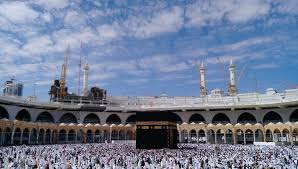
Umrah Budget - Practical Tips to Save and Avoid Hidden Costs
Umrah Budget — practical, evergreen guidance from our licensed Umrah specialists, written for pilgrims booking hotels in Makkah near Haram and our hotels in Madinah near the Prophet's Mosque. Every claim in this guide is verified against current Saudi Ministry of Hajj guidance and our own operational data from thousands of completed Umrah journeys. If you're planning your trip now, jump to our all-inclusive Umrah packages or read related deep-dives in the section below. Questions? Our WhatsApp team replies in under 30 seconds, 24/7.
Embarking on Umrah is a journey that touches the soul, but let's address the practical heart of the matter: it's also a significant financial undertaking. If the thought of costs has ever made you pause, wondering how to afford this spiritual milestone, you're not alone. Crafting a smart Umrah budget isn't about scarcity; it's about intentionality and empowerment.
Quick overview
Umrah Budget: quick overview
Embarking on Umrah is a journey that touches the soul, but let's address the practical heart of the matter: it's also a significant financial undertaking. If the thought of costs has ever made you pause, wondering how to afford this spiritual milestone, you're not alone. Crafting a smart Umrah budget isn't about scarcity; it's about intentionality and empowerment.
- Book flights and hotels 3–6 months early for better deals.
- Stay closer to the Haram if comfort and access matter.
- Budget 5–10% extra for emergencies and giving.
- Daily food and transport often cost more than expected.
- Packages help avoid surprise costs if you check what's included.
- 🛡️ Licensed Travel Agency
- ⭐ 5-Star Rated Service
- 🏆 Best Umrah Service
- ✅ Verified Information
Key Takeaways
- Book flights and hotels 3–6 months early for better deals.
- Stay closer to the Haram if comfort and access matter.
- Budget 5–10% extra for emergencies and giving.
- Daily food and transport often cost more than expected.
- Packages help avoid surprise costs if you check what's included.
How much should your Umrah budget cover?
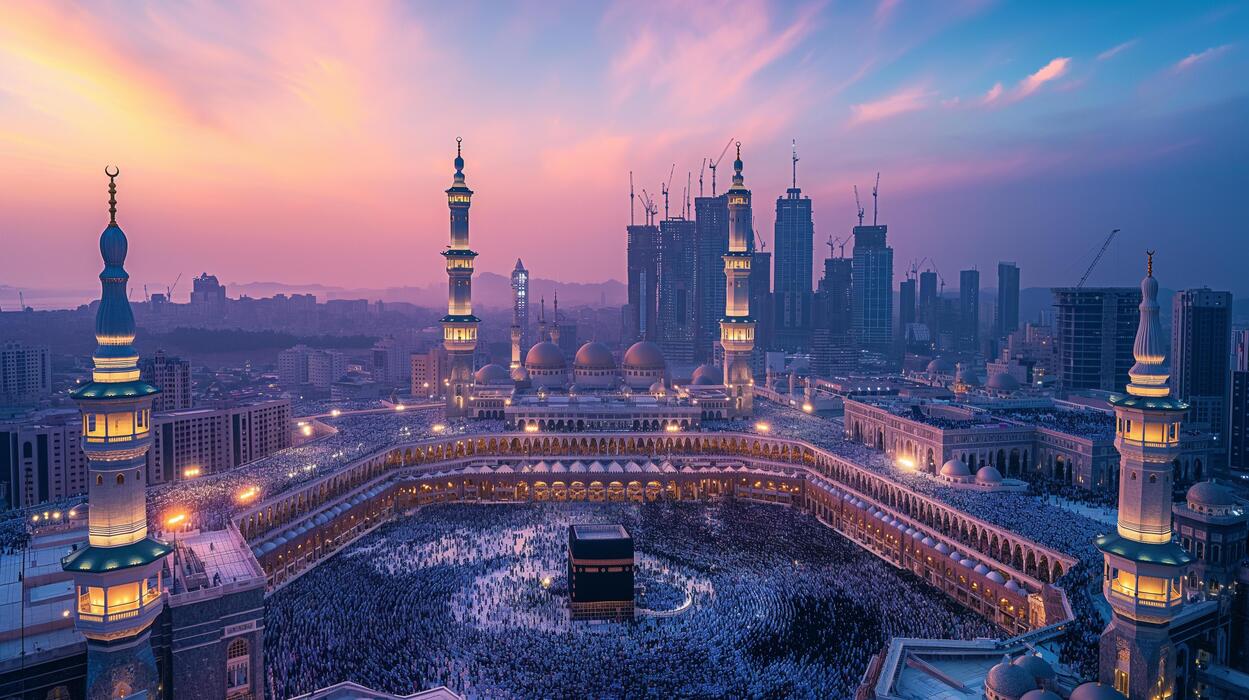
A sensible Umrah budget covers flights, visa, hotel, food, local travel, and emergencies. Your total will depend mainly on your travel dates and hotel distance.
Keep another 5–10% aside for costs you didn’t expect. This stops a delayed flight, extra taxi, or broken suitcase from upsetting the whole trip.
In my experience, the cheapest trip isn’t always the best value. Good planning means spending on what protects your energy and worship. You can then save on things that matter less.
Should you always choose the cheapest option?
No. This is where people often get it wrong. They book the cheapest hotel, then discover it involves a long walk in the heat.
A 30-minute walk may sound manageable from home. It feels very different after Tawaf, especially with children or elderly parents. You may then spend the saving on taxis.
Decide what matters most to your family. It may be a short walk, reliable lifts, suitable food, or simple transport. Spend there first and cut back elsewhere.
What are the four main Umrah costs?
We usually tell families to divide their budget into four pots:
- Travel, including flights, visas, and required insurance.
- Accommodation in Makkah and Madinah.
- Daily spending, including food, taxis, trains, and small purchases.
- Emergency money and charitable giving.
Write down an amount for every pot. Budgets usually fail because daily costs or emergency money were forgotten. Small payments can quickly become a large total.
How can you save on flights?

Flights are often the biggest moving part of an Umrah budget. Prices can change sharply depending on dates, departure airport, and demand.
When should you book your flight?
Booking three to four months ahead is often a good starting point. For Ramadan or busy Saudi holiday periods, begin checking up to six months ahead.
Don’t check only your nearest airport. Large hubs such as London Heathrow or Dubai may offer better fares and easier connections. Include the cost of reaching that airport before deciding.
Set fare alerts and compare nearby dates. A flight with one connection may save money, but check the waiting time. A cheap fare loses its appeal during an eight-hour airport wait with tired children.
Also check baggage, meals, seat selection, and change fees. Some low fares become expensive once these are added.
Can you save on visa fees?
The Umrah visa and bundled health insurance are fixed costs. You can’t shop around for the visa itself.
What you can avoid is paying again because of an application mistake. Check passport scans, names, dates, and photographs carefully. Make sure every name matches the passport exactly.
Allow for these costs early in your budget. Use the official information available for your nationality and travel situation.
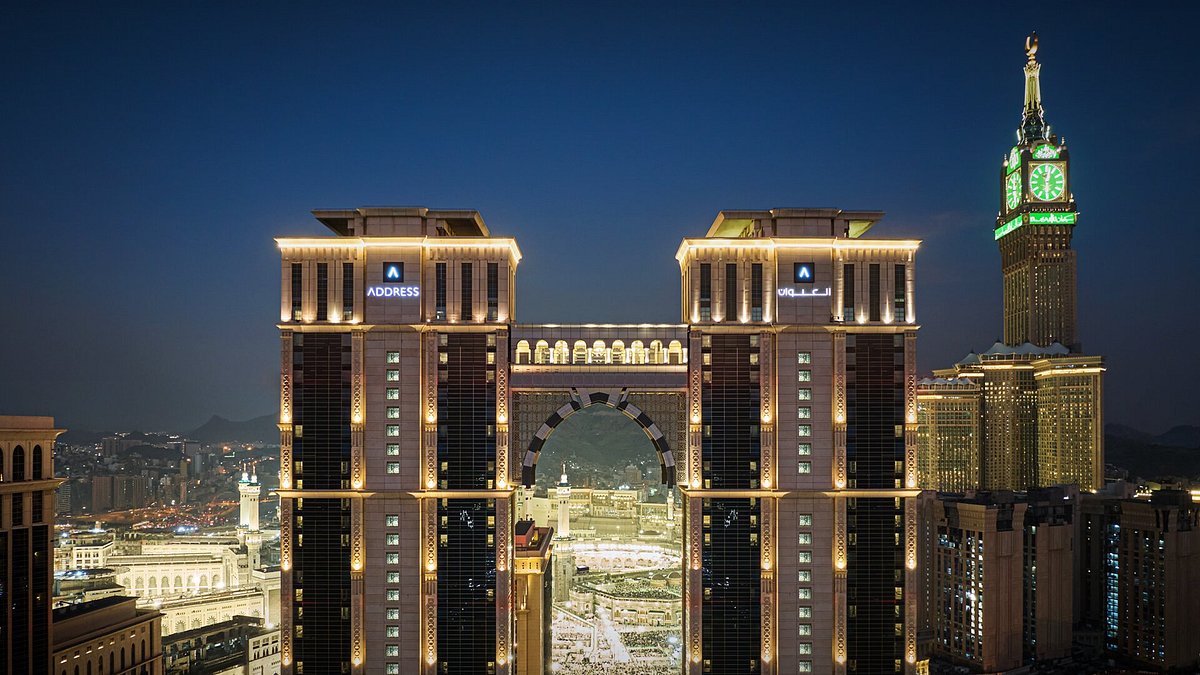
Is a hotel near the Haram worth it?
Accommodation is the hardest choice for many families. You aren’t paying only for a bed. You’re also paying for time, energy, and easier access to prayer.
A hotel farther away may be good value for fit adults. It can be difficult with a pram, wheelchair, heavy luggage, or elderly parents. Be honest about what your group can manage.
How far is the walk to the Haram?
A map doesn’t show crowds, road crossings, slopes, or hotel lift queues. A 400-metre walk may take around five to seven minutes on a clear route. In a crowd, it can feel much longer.
In our experience, that same walk feels harder with a pram or sleeping child. After Taraweeh, you may also wait for lifts before the walk even starts.
Ask for the walking route, not only the straight-line distance. Check whether a shuttle is reliable and where it drops you. A shuttle that stops far away may not solve the problem.
Do you need help booking a hotel?
You can book independently, but check the details carefully. I’ve seen families compare prices for hours and still choose a hotel much farther away than expected.
Sites such as official Makkah hotel booking site can help you compare rates and walking distances. A Best Price Guarantee may also offer some reassurance.
Ask to see the room type, lifts, entrance, and lobby. Glossy outside photographs tell you very little about daily use. Check whether city taxes or tourism fees are included in the final amount.
What will you spend each day?
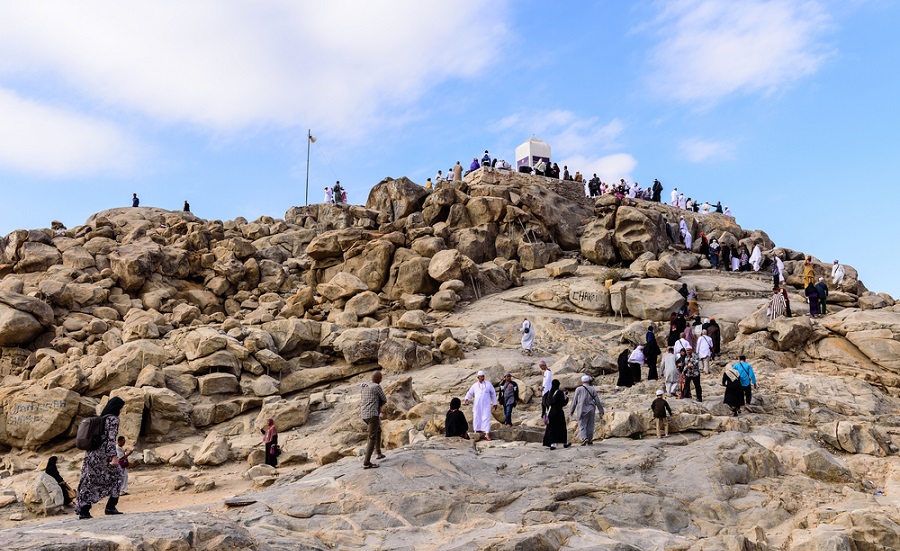
Daily spending includes meals, drinks, taxis, airport transfers, laundry, Zamzam arrangements, and small purchases. These costs build quietly because each payment seems minor.
Simple local meals are usually affordable. Hotel and international restaurants may cost three to four times as much as street food. A supermarket visit can help with water, fruit, snacks, and breakfast items.
For food, snacks, and local transport, allow roughly £20–£40 per person each day. Your needs may be lower or higher. Families should calculate the amount for every traveller, not only the adults.
The Haramain train gives you a fixed fare between Makkah and Madinah. Book early during busy periods. Allow time for security, queues, and moving luggage through the station.
Ziyarah visits also need a separate allowance. Group and private tours both charge. Keep gifts in another budget pot, or they may consume your emergency money by day four.
How much emergency money should you keep?
Keep at least 5–10% of your total budget for emergencies. Possible problems include illness, a missed connection, a lost passport, or damaged luggage.
Don’t carry all this money in your main wallet. Keep some cash secure and have access to a separate card. Pickpocketing is rare, but it can happen.
Set aside a small amount for sadaqah too. You may wish to give to local workers, buy Quran copies, or help someone. Giving feels joyful when the money is already planned.
Which hidden costs catch pilgrims out?
These are the costs I ask families to check before paying:
- Last-minute flight changes can be very expensive. Flexible tickets cost more at first, but may help if your plans are uncertain.
- Hotel city taxes or tourism fees may appear at check-out. Ask for the full price in writing before booking.
- Excess baggage is common after buying gifts. Check both outbound and return limits, and pack a small luggage scale.
- Zamzam water may have separate airline rules. Don’t assume it can go inside your normal suitcase allowance.
- Kaaba-view rooms cost more and can sell early. Decide before travelling whether the view is worth the extra money.
- Unplanned taxis add up quickly. This often happens when the hotel is farther away than the booking page suggested.
Airport repacking is stressful, especially when check-in queues are moving behind you. Weigh every case at the hotel and leave some room for the return journey.
How should you track your Umrah budget?
A basic spreadsheet is enough. Make sections for travel, accommodation, daily costs, and emergencies. Add two columns marked “Quoted” and “Actual”.
Use current prices from flight comparison sites such as Skyscanner. For hotels, compare options through hotels in Makkah and other trusted booking sources.
Add 15% to the daily amount you first estimate. Food, coffee, taxis, and small purchases nearly always cost more than expected.
Update the sheet whenever you pay a deposit or make a booking. Also record whether it’s refundable. This helps if dates change or someone can’t travel.
What should you book first?
- 12 months before: Start automatic monthly savings. Keep the money in a separate account so it isn’t used for normal spending.
- 6 months before: Research flights and hotels. Agree on the highest total your family can comfortably afford.
- 4–5 months before: Book accommodation if the dates are firm. Early booking usually gives you more choice of room and location.
- 3–4 months before: Book flights and begin the visa process. Check passport validity and application requirements carefully.
- 2 months before: Set your daily spending limit. Check whether travel insurance covers medical care, cancellations, and missed connections.
- 1 month before: Check every name, date, ticket, and hotel confirmation. Pack light clothes, comfortable slippers, medicines, and a spare phone charger.
Keep digital copies of bookings and passports. Give one trusted family member access. If your phone stops working, you’ll still need hotel and transport details.
Can budgeting improve your Umrah?
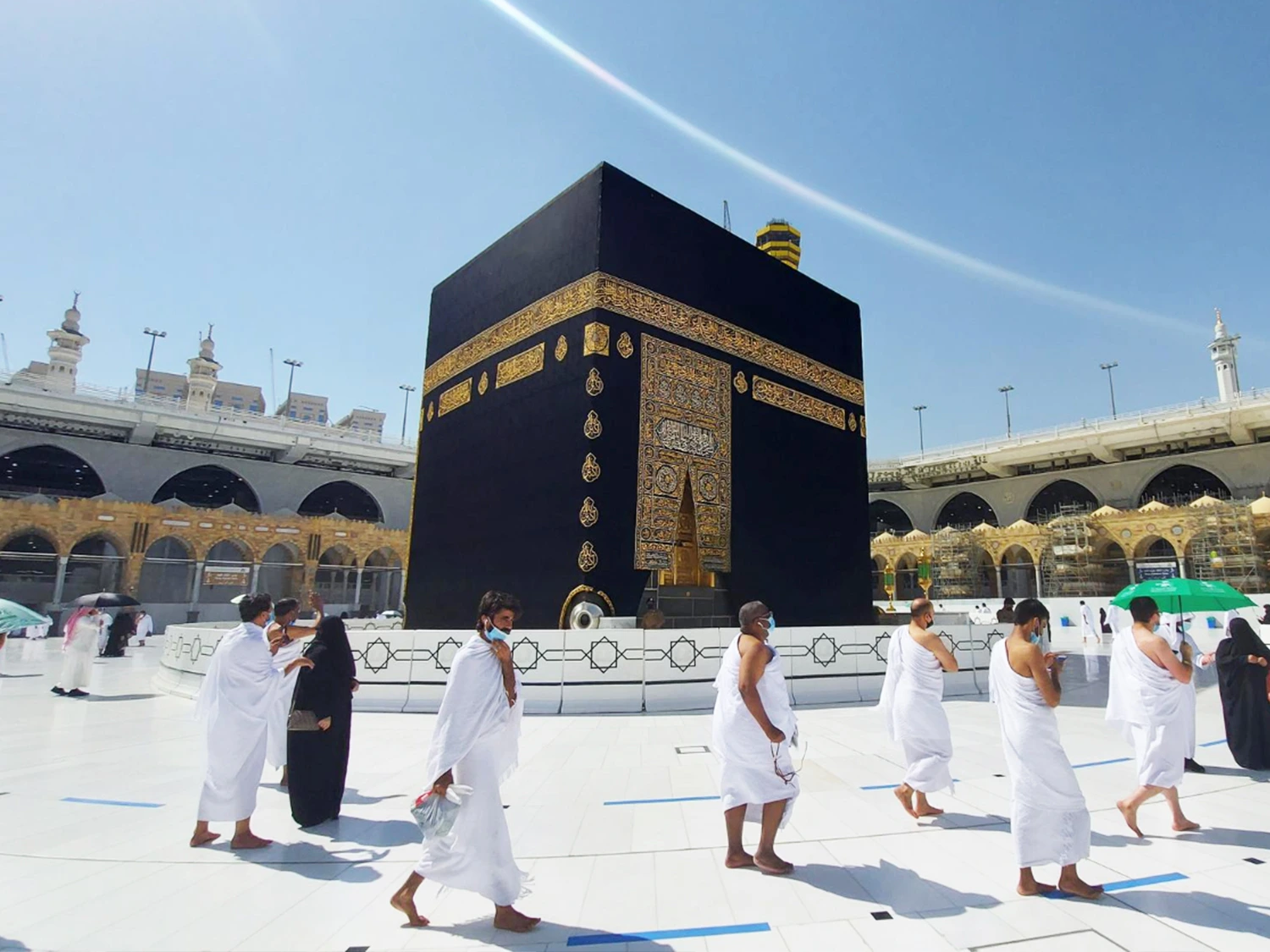
Yes. The less you worry about money, the more attention you can give to worship. A clear budget also reduces arguments about taxis, meals, and shopping.
I’ve often seen well-prepared pilgrims settle into the journey faster. They know what they can spend without checking every riyal. They also return home without financial regret.
Planning your money can be part of your niyyah, or intention. You’re removing avoidable worries before travelling.
What is the main budgeting lesson?
Research the large costs first and leave a safety buffer. Compare prices, ask recent pilgrims, and read the booking conditions. Don’t depend on hope at the check-in desk.
If you want to compare accommodation, Makkah hotels for Umrah is one place to check rates side by side. The Best Price Guarantee may give you extra comfort.
Whatever you book, keep the plan simple. Your budget should support your prayers and family, not become the centre of the journey.
What do pilgrims ask about Umrah budgets?
Should I save everything before booking?
Not always. If your dates are firm, booking flights and hotels early may protect you from later price rises.
Instalments or a credit card with purchase protection may help. Only use them with a clear repayment plan. Interest or missed payments can remove any saving.
Are Umrah packages better for budgeting?
They can be. A package may include hotels, transfers, meals, or Ziyarah visits. This makes the total easier to predict.
Read the list of inclusions carefully. Check hotel distance, room sharing, baggage, meals, and airport transfers. A low package price may leave several essentials unpaid.
What is a realistic food budget?
For local takeaway, snacks, and simple meals, £15–£30 per person each day is realistic. Street food and supermarket sandwiches can keep costs down.
Buffet breakfasts and hotel restaurants raise the amount quickly. Families can save by sharing larger meals and keeping simple breakfast food in the room.
Which choice saves the most money?
Booking your hotel early can make a major difference. If possible, book four to six months ahead. Hotels close to the Haram often fill first.
Still, don’t choose a non-refundable rate unless your dates are secure. A slightly higher flexible rate may be safer for uncertain plans.
Can you perform Umrah on a tight budget?
Yes, with realistic choices. Travel outside peak periods, choose a simple hotel, and eat local food. Some rooms have kettles or small kitchenettes for basic meals.
Spend on what protects your health and ability to worship. Skip costly extras that don’t matter to you. A modest trip can still be comfortable and deeply meaningful.
Where can you compare Madinah hotels?
When you’re ready to price a stay, you can compare Madinah hotels near the Prophet’s Mosque and see what fits your dates and budget.
You Might Also Like
Akhil Shariff ✓
Umrah Specialist with 10+ years experience
Akhil Shariff is an Umrah specialist with over 10 years of experience arranging hotels, transfers and ziyarath for pilgrims travelling to Makkah and Madinah. He works with hotel partners on the ground in both cities and reviews every guide against what pilgrims actually report back.
🏆 Verified Expert
Frequently Asked Questions About Umrah Budget
- How much daily spending should I really expect in Makkah and Madinah?
- Count on £20–£40 per person per day for food, snacks, and local transport. Meals in hotels or international restaurants can cost 3–4 times more than street food. If you want souvenirs or gifts, budget separately so your emergency funds aren’t used up.
- Should I pay extra to stay close to the Haram or save by staying further away?
- Staying closer costs more but saves time and energy, especially with children or elderly. Walking distances shown online can be longer on foot due to crowds and slow lifts. Decide what’s most important for your comfort before booking.
- What are the hidden or unexpected costs people miss when planning Umrah?
- Unplanned taxi rides, hotel city taxes at checkout, excess baggage charges, and last-minute flight changes surprise many. Flexible tickets cost more upfront but can save money if travel plans change. Always check what’s included in your hotel rate.
- Is it safer to book a package or book flights and accommodations separately?
- Packages usually mean fewer unexpected costs, as transfers and some meals may be included. Still, check what each package truly covers, especially regarding food, tours, or hidden fees. Booking key items yourself gives more flexibility but requires careful planning.
- What’s the best time to book my flights for Umrah to get a good price?
- Book flights 3–4 months in advance for regular times, or up to 6 months out for Ramadan or busy periods. Compare several airports, set price alerts, and consider indirect routes to save money, but keep comfort and travel time in mind.
- How should I prepare financially for emergencies or charity while on Umrah?
- Allocate at least 5–10% of your total budget for emergencies and sadaqah. Keep some funds in cash or an emergency card, stored separately from your main wallet. Planning for charitable giving and small mishaps saves last-minute stress and lets you give with peace of mind.
- What’s the most effective way to track and stick to my Umrah budget?
- Use a simple spreadsheet with columns for flights/visa, accommodation, daily spending, and emergencies. Add both 'quoted' and 'actual' prices for each. Pad your estimates by 15% above what feels reasonable, as real costs are often higher than planned.
- Is it possible to do Umrah on a tight budget without feeling deprived?
- Yes, by choosing budget accommodation, eating local food, and traveling outside peak periods, it’s very possible. Focus your spending on what matters most for your comfort and ibadah, and use the savings for contingency or small treats as needed.
Ready to Book Your Umrah Journey?
Compare verified hotels in Makkah and Madinah with guaranteed best prices.
Browse Hotels →