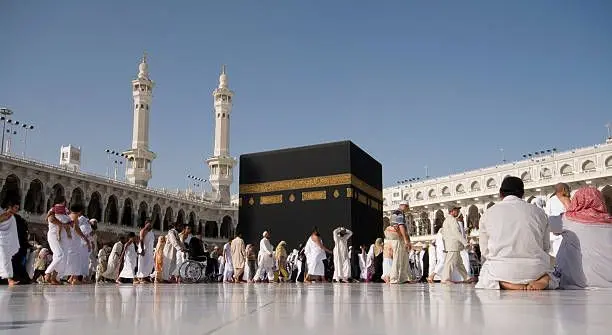
Umrah in Ramadan vs. Other Months: Which is Best?
Umrah in Ramadan vs. Other Months — practical, evergreen guidance from our licensed Umrah specialists, written for pilgrims booking hotels in Makkah near Haram and our hotels in Madinah near the Prophet's Mosque. Every claim in this guide is verified against current Saudi Ministry of Hajj guidance and our own operational data from thousands of completed Umrah journeys. If you're planning your trip now, jump to our all-inclusive Umrah packages or read related deep-dives in the section below. Questions? Our WhatsApp team replies in under 30 seconds, 24/7.
Compare Umrah in Ramadan vs other months and discover which option offers better spiritual rewards, fewer crowds, lower costs, and easier logistics for your pilgrimage.
Quick overview
Umrah in Ramadan vs. Other Months: quick overview
Compare Umrah in Ramadan vs other months and discover which option offers better spiritual rewards, fewer crowds, lower costs, and easier logistics for your pilgrimage.
- Ramadan Umrah has greater spiritual reward but much heavier crowds.
- Other months are easier for families, first-timers, elderly or those with health needs.
- Hotels and flights cost more in Ramadan—sometimes a lot more.
- Fasting and late nights add extra physical strain during Ramadan.
- Both times are virtuous; pick what suits your situation, not others’ opinions.
- 🛡️ Licensed Travel Agency
- ⭐ 5-Star Rated Service
- 🏆 Best Umrah Service
- ✅ Verified Information
Key Takeaways
- Ramadan Umrah has greater spiritual reward but much heavier crowds.
- Other months are easier for families, first-timers, elderly or those with health needs.
- Hotels and flights cost more in Ramadan—sometimes a lot more.
- Fasting and late nights add extra physical strain during Ramadan.
- Both times are virtuous; pick what suits your situation, not others’ opinions.
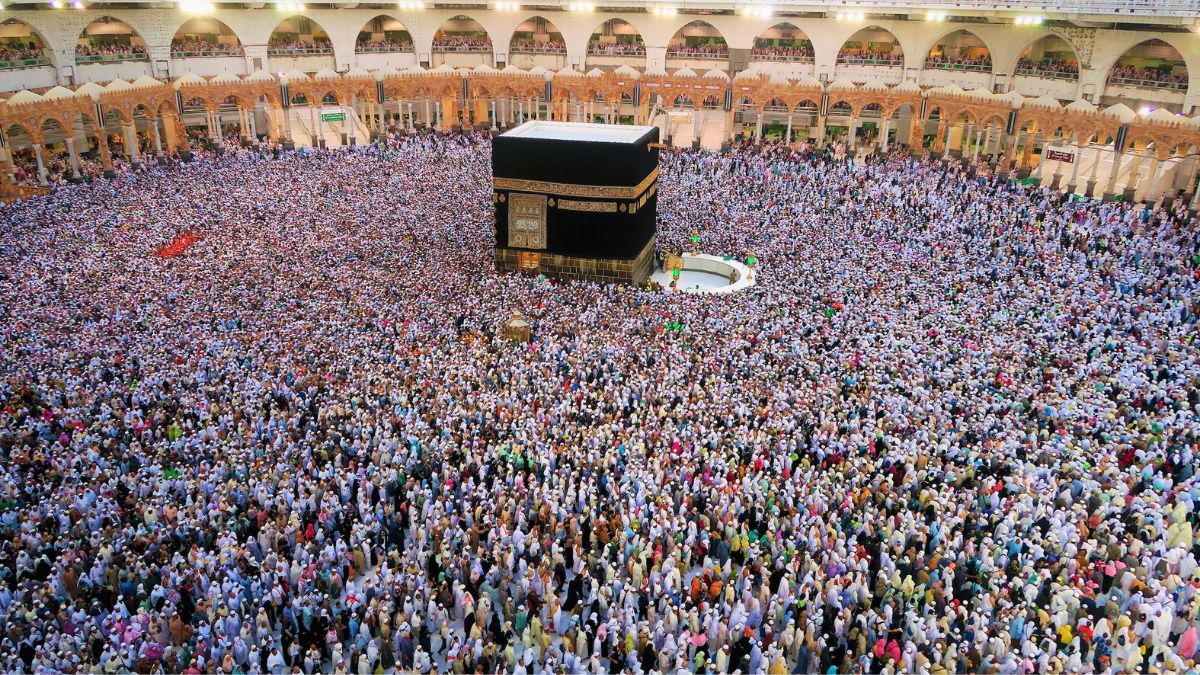
Ramadan is best if your priority is its exceptional spiritual reward and you can cope with fasting, crowds and higher costs. For a first Umrah, a family trip, an elderly pilgrim or anyone who needs a gentler pace, another month is usually the wiser choice.
That is the honest answer to Umrah in Ramadan vs. other months. Ramadan in Makkah can be deeply moving, particularly during the last ten nights, but it is not automatically the best time for every pilgrim. A quieter Umrah may give you more space to learn the rites, make dua without being hurried and return to your room before exhaustion takes over.
We have seen people choose Ramadan because relatives told them it was the only worthwhile time, then struggle with the walking, disrupted sleep and packed entrances. We have also seen fit, well-prepared pilgrims thrive on the energy of the month. The decision should be based on your health, budget, companions and reason for going—not pressure from other people.
Before booking, check the current entry requirements for Makkah and Madinah, speak to your doctor if you have an existing condition, and be realistic about how much walking you can manage. A distance that looks short on a hotel map can feel very different after Tawaf, Sa’i and a crowded prayer exit.
Are Ramadan’s spiritual rewards worth the extra strain?
The main reason pilgrims choose Ramadan is clear. In the well-known Hadith, the Prophet Muhammad (peace be upon him) said that Umrah in Ramadan carries a reward like Hajj. This does not replace the obligatory Hajj for someone who is able and required to perform it, but it explains why demand rises so sharply during the holy month.
The atmosphere is unlike an ordinary week in Makkah. Fasting through the day, breaking the fast among other worshippers and standing for Taraweeh while the Quran is recited can give the whole visit a powerful rhythm. You are not fitting worship around meals and sightseeing; the day itself is built around worship.
The last ten nights are especially sought after because pilgrims hope to witness Laylatul Qadr, the Night of Decree, described in the Quran as better than a thousand months. Those nights can be beautiful. They can also be physically relentless. Sleep is broken, access routes become busy well before prayer, and leaving the mosque afterwards may take much longer than expected.
This is where people sometimes get it wrong: they assume a crowded Ramadan Umrah must feel more spiritual every minute. It may not. If you are anxious about losing a child, pushing a wheelchair through a packed route or fighting tiredness after too little sleep, concentration can suffer. There is no shame in recognising that.
Umrah outside Ramadan remains a highly virtuous act of worship. Sincerity, patience and good conduct do not become unimportant because the mosque is quieter. Some pilgrims actually find they can reflect more deeply when they are not constantly watching the flow of people around them.
Choose Ramadan for its special reward and collective atmosphere, not because you think Umrah in another month has little value. Both choices can be spiritually meaningful; they simply ask different things of the pilgrim.
What does Ramadan Umrah feel like on the ground?
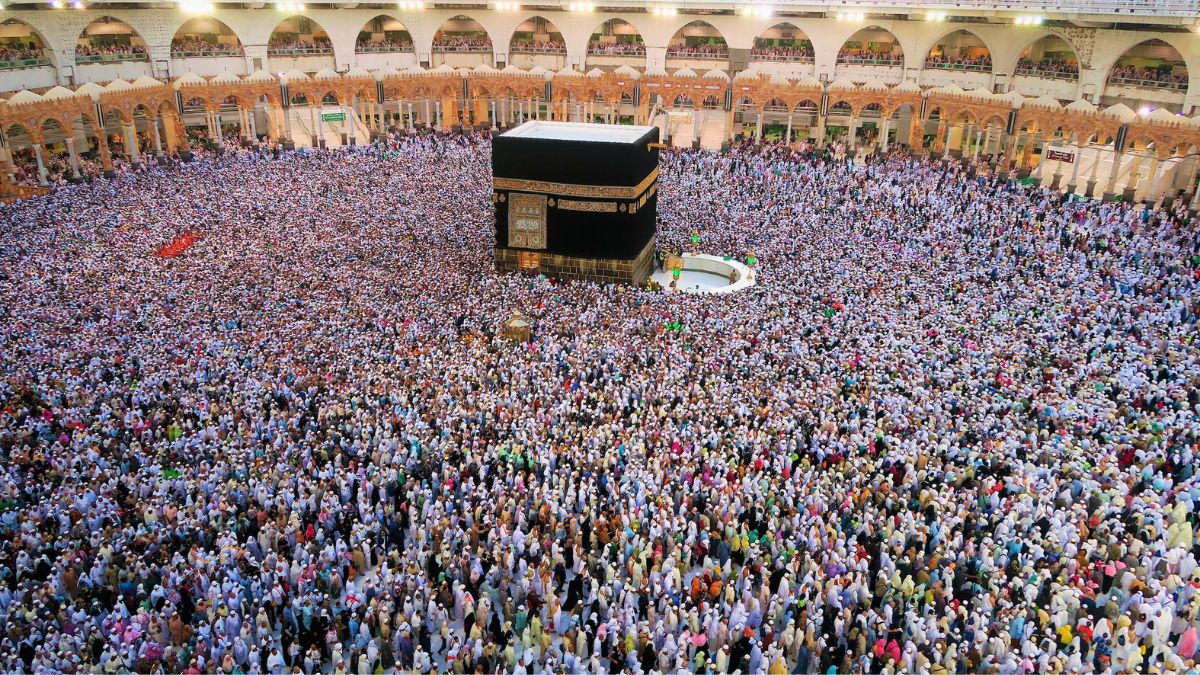
The biggest practical difference is crowd density. During Ramadan, and particularly during the last ten nights, Tawaf areas, prayer spaces, escalators, lifts and routes around the Haram can become heavily congested. Staff may redirect pilgrims without much notice, so the doorway you used earlier may not be the doorway available when you return.
Tawaf and Sa’i do not come with reliable completion times. The same rites can feel straightforward during a quieter period and take considerably longer when movement slows. Keep your group together before joining the flow. Stopping suddenly to wait for someone, walking against the crowd or forming a chain by holding several hands can endanger you and the people around you.
Restrooms and wudu areas also become busier near prayer times. Do not wait until the last moment. Go early, note the number or location of the entrance you used, and agree on a meeting point that is specific. “Near the clock tower” is not specific enough when thousands of people are leaving together.
Fasting adds another layer. Tawaf, Sa’i, the walk from the hotel and prolonged standing can drain energy, especially if Suhoor was poor or sleep was short. Ramadan moves through the seasons, so conditions are not always the same, but Makkah can be hot and outdoor walking remains tiring even when the air temperature seems manageable.
Outside Ramadan, movement is generally easier, although the Haram is never guaranteed to be empty. Weekends, school holidays and other busy periods can still bring substantial crowds. The difference is that families often have more freedom to pause, find a quieter route and perform the rites without organising the entire day around fasting and Iftar.
For first-timers, that breathing space matters. You can check where Sa’i begins, take a short rest when needed and correct a wrong turn without feeling that you are holding everyone up. The spiritual atmosphere may be less intense than Ramadan, but the practical experience is often calmer and easier to absorb.
How much more should you expect Ramadan to cost?
Ramadan is generally the more expensive option. The original comparison is most obvious in hotels close to the Haram, where rates can rise by 40% to 100% during the holy month because demand is so strong. Flights to Jeddah and Madinah also tend to cost more, with the heaviest pressure around the last ten days.
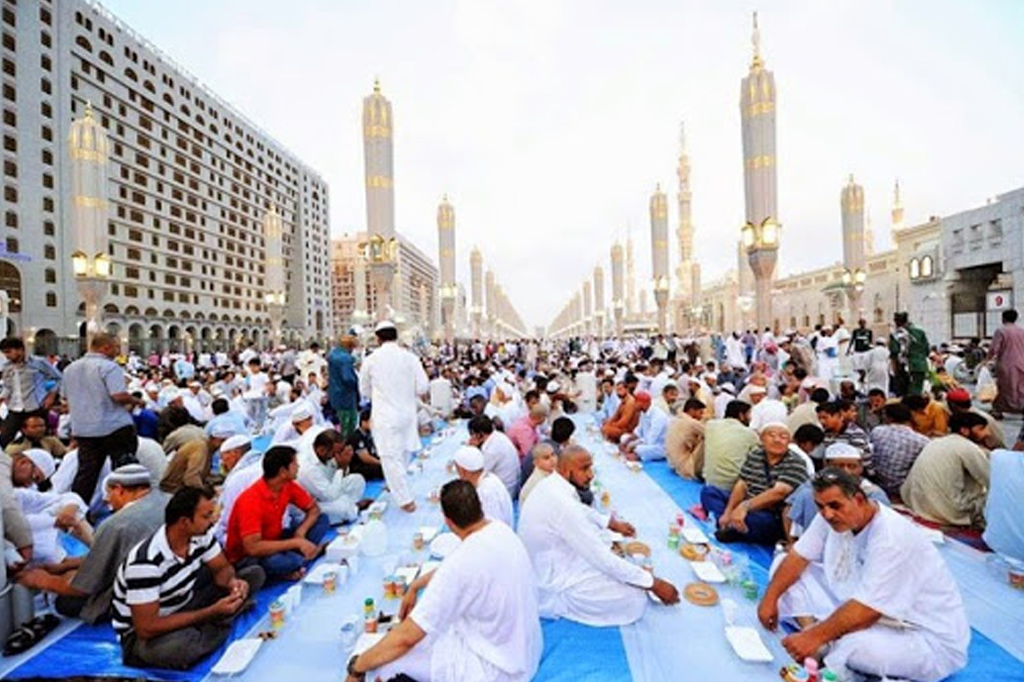
Packages may include Iftar and Suhoor, which can be useful but add to the total. Check exactly what “included” means. Is Suhoor served early enough for your routine? Is Iftar a full meal or a basic box? If meals are served in a busy restaurant, factor in lift queues and waiting time rather than assuming you can eat and reach the mosque immediately.
Late bookers often face an awkward choice: pay more for a convenient location or stay farther away. A distant hotel may look like a sensible saving, but transport can be slow around prayer times and drop-off points may still leave a substantial walk. Shuttle timetables also change under crowd controls. Ask where the shuttle actually stops, not merely whether one exists.
Outside Ramadan, hotel availability and flight choices are usually better. Families can compare room layouts, choose dates with more flexibility and avoid paying a premium simply to secure any available bed. That does not mean the cheapest room is always best. A family of four squeezed into a small room, with one bathroom and nowhere to dry clothes, may regret the saving after two days.
Start Ramadan planning 4 to 6 months ahead if possible, particularly if you need connecting rooms, wheelchair access or a short walk to the Haram. Early planning does not guarantee the lowest rate, but it gives you more usable choices. Confirm the cancellation terms and room occupancy in writing before paying.
Do not frame the decision as “money versus reward”. Spending beyond your means can place stress on the whole household. A well-planned Umrah in another month is better than a Ramadan booking that leaves you worried about debt throughout the journey.
Who is likely to manage Ramadan well?
Families with young children: Another month is usually easier. Prams are useful outside, but they can become awkward when a route narrows or a lift queue builds. Some areas may restrict access, so carry a lightweight sling for a small child if practical. Put the hotel name and a contact number in each child’s pocket, and choose a meeting point before entering the mosque.
Children also struggle with broken sleep and long waits. One parent may need to miss part of the planned routine to take a tired child back to the room. Accept that before travelling. Trying to keep a small child in the Haram for every prayer often ends with the whole family exhausted.
Elderly pilgrims: A quieter month is generally the safer choice for anyone with reduced mobility or health concerns. Wheelchairs reduce walking but do not remove the effort involved in transfers, ramps, lifts and crowded corridors. If a relative needs assistance at home, assume they will need at least as much help in Makkah.
Ask a doctor about fasting and travel if there is diabetes, heart disease, breathing difficulty or another ongoing condition. Keep medicine in hand luggage, in its original packaging, with enough for delays. Do not place essential medication only in checked baggage.
First-time pilgrims: Outside Ramadan usually gives you more room to learn. You can focus on the order of the rites rather than trying to follow the person in front. This is particularly helpful for someone who becomes anxious in dense crowds or has never travelled internationally.
Young, fit and experienced pilgrims: Ramadan may suit you very well if you prepare properly. Fitness helps, but confidence can become carelessness. Even strong walkers become dehydrated, lose sleep or overestimate what they can do after fasting. Build rest into the plan rather than treating it as wasted worship time.
Budget-conscious pilgrims: Other months normally offer better value and more choice. Use part of the saving to choose a sensible location, suitable room or direct flight rather than automatically taking the cheapest package.
What should you pack and plan before leaving?
A small, practical bag is better than carrying half the room into the Haram. Take a refillable water bottle for non-fasting hours, unscented toiletries suitable for ihram, tissues, a small packet of wipes, blister plasters, prescribed medicines and a power bank. Keep footwear in a light drawstring bag rather than leaving expensive sandals at an entrance and hoping to find them later.
Wear footwear that has already been broken in for the walks outside the mosque. New sandals are a common mistake. They may feel comfortable in the shop and cause blisters after the first long evening. Ihram sandals and everyday walking shoes serve different purposes, so check the relevant rules and plan accordingly.
Save copies of passports, permits, tickets and hotel details on two phones, and keep paper copies with the group leader. Mobile data may slow in dense crowds. If one person holds every document and becomes separated, a small problem quickly becomes a serious one.
For Ramadan, eat a balanced Suhoor with foods that sustain energy, and drink steadily during non-fasting hours rather than consuming a large amount at once. Heavy fried food at Iftar can make Taraweeh uncomfortable. Break the fast simply, pray, then eat according to the schedule and access arrangements available to you.
Do not assume late night is always quiet in Ramadan. It often is not, especially during the last ten nights. Crowd patterns change, and official controls take priority over any timetable suggested by friends or social media. Ask hotel staff about current access, then allow extra time.
Outside Ramadan, use the greater flexibility wisely. Avoid stacking Tawaf, shopping, a long ziyarat outing and intercity travel into one day. Makkah walking is deceptive: polished floors, long internal routes and repeated journeys between the room and mosque add up.
How do you choose a hotel without being misled by distance?
A hotel described as 400 metres away may involve a slope, road crossing, long indoor route or crowded entrance. The walk back after Fajr can feel easy; the same walk after Sa’i, carrying a sleeping child, feels much longer. Ask for the walking route to the entrance you are most likely to use, not a straight-line distance on a map.
Check lift capacity, step-free access and whether the room is in the main building. Large hotels can have excellent locations but busy lifts around prayers. Leaving the room a few minutes later than planned may mean waiting through several full lifts.
If you need help comparing verified accommodation and realistic walking distances, book your Makkah stay with us is one place to check. Wherever you book, ask direct questions and keep the answers in writing.
So, which time should you choose?
Choose Ramadan if you understand its special reward, are physically able to manage fasting and crowds, and can afford the higher travel costs without strain. Go prepared for altered routes, interrupted sleep and plans that may need to change at short notice.
Choose another month if you are travelling with small children, assisting an elderly relative, performing Umrah for the first time or managing a health condition. It is also the sensible option when Ramadan prices would stretch the family budget too far.
A quieter Umrah is not a lesser trip. Many pilgrims benefit from being able to slow down, understand what they are doing and protect their energy for worship. Equally, a demanding Ramadan Umrah can be unforgettable for someone ready for it.
The best time is not simply the month with the greatest demand. It is the time in which you can perform Umrah safely, sincerely and without placing an unreasonable burden on yourself or those travelling with you.
FAQs
Is Umrah in Ramadan better for spiritual reward?
Umrah in Ramadan has a special reward described in authentic tradition as being like Hajj in reward. It does not replace the obligatory Hajj. Umrah in every other month remains virtuous, and sincerity still matters.
How different are the crowds?
Ramadan crowds are substantially heavier, especially during the last ten nights. Expect slower movement around Tawaf, Sa’i, lifts, restrooms and mosque exits. Other months are generally calmer, though busy days still occur and access is never guaranteed to be unrestricted.
Is Ramadan Umrah always more expensive?
It is usually more expensive because flights and rooms near the Haram are in high demand. Hotels may cost 40% to 100% more during the holy month. Packages that include Suhoor and Iftar can add further cost.
Should elderly pilgrims avoid Ramadan?
Not every elderly person needs to avoid it, but anyone with limited mobility or a medical condition should assess the risks carefully. A quieter month normally allows more rest, easier wheelchair movement and less pressure around prayer times. Medical advice should come from the pilgrim’s doctor.
Which option is easier with children?
Most families find another month more manageable. Smaller crowds make prams, toilet visits and meeting arrangements easier, while a flexible meal and sleep routine reduces strain. If travelling in Ramadan, plan for one parent to return to the room with the children when necessary.
What are the hardest parts of Ramadan Umrah?
The combination of fasting, reduced sleep, long walks and dense crowds causes most difficulties. Higher costs and changing access routes add pressure. Pilgrims often cope better when they schedule proper rest instead of attempting to remain in the Haram continuously.
When is best for a first Umrah?
A non-Ramadan month is usually best for learning the rites at a calmer pace. First-time pilgrims can become familiar with entrances, transport and the sequence of Umrah without the exceptional pressure of Ramadan. A later Ramadan trip may then feel less daunting.
How can I conserve energy while fasting?
Hydrate steadily between Iftar and Suhoor, choose food that sustains energy and avoid unnecessary daytime walking. Rest between prayers, carry only what you need and allow more time than expected. A convenient hotel helps, but even a nearby room can involve lift queues and a lengthy internal walk.
Does Umrah outside Ramadan still carry a good reward?
Yes. Umrah is a valued act of worship throughout the permitted months. Ramadan has its distinct merit, but performing Umrah sincerely at another time remains spiritually significant.
How early should Ramadan travel be booked?
Planning 4 to 6 months ahead is sensible, particularly for the last ten nights or when you need family rooms, wheelchair access or accommodation near the Haram. Check cancellation conditions before paying because travel and personal circumstances can change.
Also Read This
Performing Umrah in Ramadan: What You Need to Know
Is Umrah in Ramadan Worth It? Rewards & Practical Tips
A Complete Guide to Umrah in Ramadan
7 Common Mistakes to Avoid During Umrah in Ramadan
How to Plan Umrah in Ramadan: A Step-by-Step Guide
When you’re ready to price a stay, you can compare Madinah hotels near the Prophet’s Mosque and see what fits your dates and budget.
You Might Also Like
Akhil Shariff ✓
Umrah Specialist with 10+ years experience
Akhil Shariff is an Umrah specialist with over 10 years of experience arranging hotels, transfers and ziyarath for pilgrims travelling to Makkah and Madinah. He works with hotel partners on the ground in both cities and reviews every guide against what pilgrims actually report back.
🏆 Verified Expert
Frequently Asked Questions About Umrah in Ramadan vs. Other Months
- Is the reward for Umrah in Ramadan really like Hajj?
- Yes, authentic tradition states Umrah in Ramadan brings a reward like Hajj, but it does not replace obligatory Hajj if you are eligible for that. The special reward explains why demand is so high in Ramadan, but Umrah in other months remains highly virtuous when done sincerely.
- How crowded does it actually get during Ramadan?
- Expect very large crowds, especially in the last ten nights of Ramadan. Tawaf, Sa’i, mosque entrances and restrooms may be packed, with movement slowing and access routes unpredictable. Even physically fit pilgrims may find the congestion challenging and plans can change at short notice.
- Is it too difficult to bring children or elderly parents for Umrah in Ramadan?
- Generally, Ramadan Umrah is much harder for families with young children or elderly relatives. Crowds, fasting and the long walks make it tiring and sometimes unsafe. A different month is usually much safer and more manageable, especially for those needing a slower pace or extra assistance.
- Do hotel and flight prices always go up in Ramadan?
- Prices for hotels near the Haram and flights typically rise by 40%–100% during Ramadan because demand surges. Packages might include meals like Suhoor and Iftar, but these may not save money overall. Booking early helps choice and availability, but costs remain higher than other months.
- Will I struggle to find somewhere quiet for dua or prayer in Ramadan?
- Finding quiet space is much harder in Ramadan, especially near prayer times and late nights. Crowding makes it difficult to pause for dua or reflection without being hurried. Outside Ramadan, you usually have more space to pray and learn comfortably.
- Are there any times when Ramadan Umrah is easier?
- Early Ramadan may be a little less crowded than the final ten nights, but crowds and costs are high throughout the month overall. Outside these peak times, conditions are still demanding, so always consider your physical ability and needs before booking.
- What should I pack to make Umrah in Ramadan or other months easier?
- Pack a refillable water bottle, unscented toiletries, essential medicines, blister plasters, power bank, and a small, light bag. For Ramadan, ensure your Suhoor is balanced and break your fast simply. Always carry copies of documents and think practically about footwear and group separation risks.
- How do I judge if my hotel is actually close to the Haram?
- Do not rely only on map distances. Routes might include slopes, busy roads, or crowded entrances, making walks longer than expected. Ask about walking routes to your preferred entrance, lift capacity, and whether you’ll be in the main building. Busy lifts at prayer times can add unexpected wait.
Ready to Book Your Umrah Journey?
Compare verified hotels in Makkah and Madinah with guaranteed best prices.
Browse Hotels →