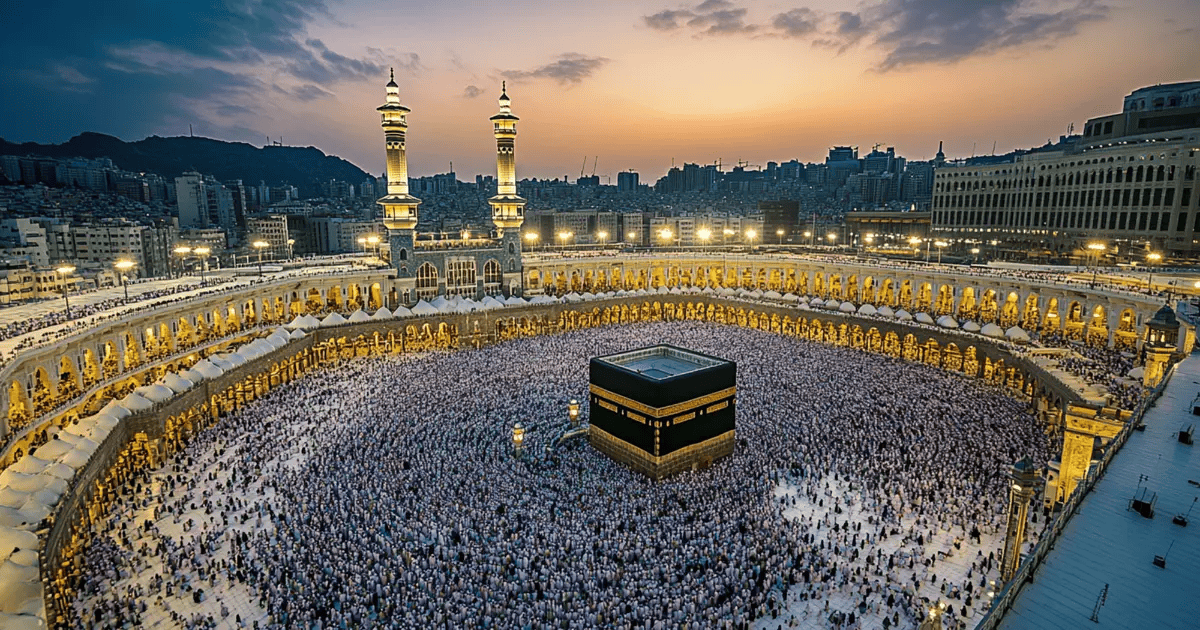
Umrah Tour from UK That Every Muslim Dreams About
Umrah Tour from UK — practical, evergreen guidance from our licensed Umrah specialists, written for pilgrims booking hotels in Makkah near Haram and our hotels in Madinah near the Prophet's Mosque. Every claim in this guide is verified against current Saudi Ministry of Hajj guidance and our own operational data from thousands of completed Umrah journeys. If you're planning your trip now, jump to our all-inclusive Umrah packages or read related deep-dives in the section below. Questions? Our WhatsApp team replies in under 30 seconds, 24/7.
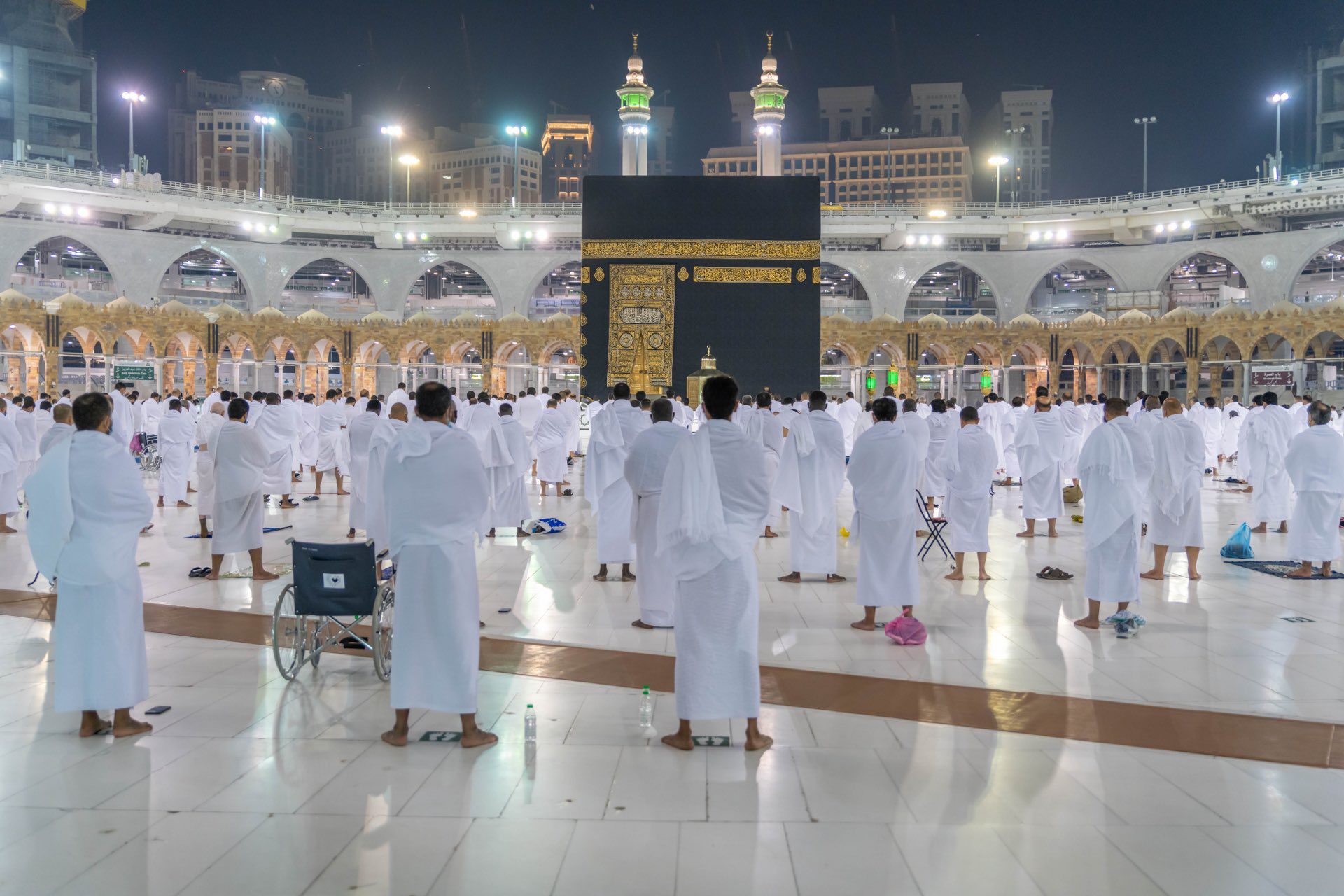
What does the perfect Umrah tour from the UK look like in your mind's eye? Is it the profound silence of a pre-dawn prayer in Al-Masjid Al-Haram? The overwhelming view of the Kaaba from your hotel window? Or perhaps it’s the deep-seated peace of knowing every single logistical detail is handled, leaving your heart and mind completely free?
Quick overview
Umrah Tour from UK: quick overview
What does the perfect Umrah tour from the UK look like in your mind's eye? Is it the profound silence of a pre-dawn prayer in Al-Masjid Al-Haram? The overwhelming view of the Kaaba from your hotel window? Or perhaps it’s the deep-seated peace of knowing every single logistical detail is handled, leaving your heart and mind completely free?
- What makes a good Umrah tour from UK?
- What do UK pilgrims really need?
- What can make or break your Umrah?
- How do you avoid airport stress?
- How far is the walk to the Haram?
- 🛡️ Licensed Travel Agency
- ⭐ 5-Star Rated Service
- 🏆 Best Umrah Service
- ✅ Verified Information
What makes a good Umrah tour from UK?
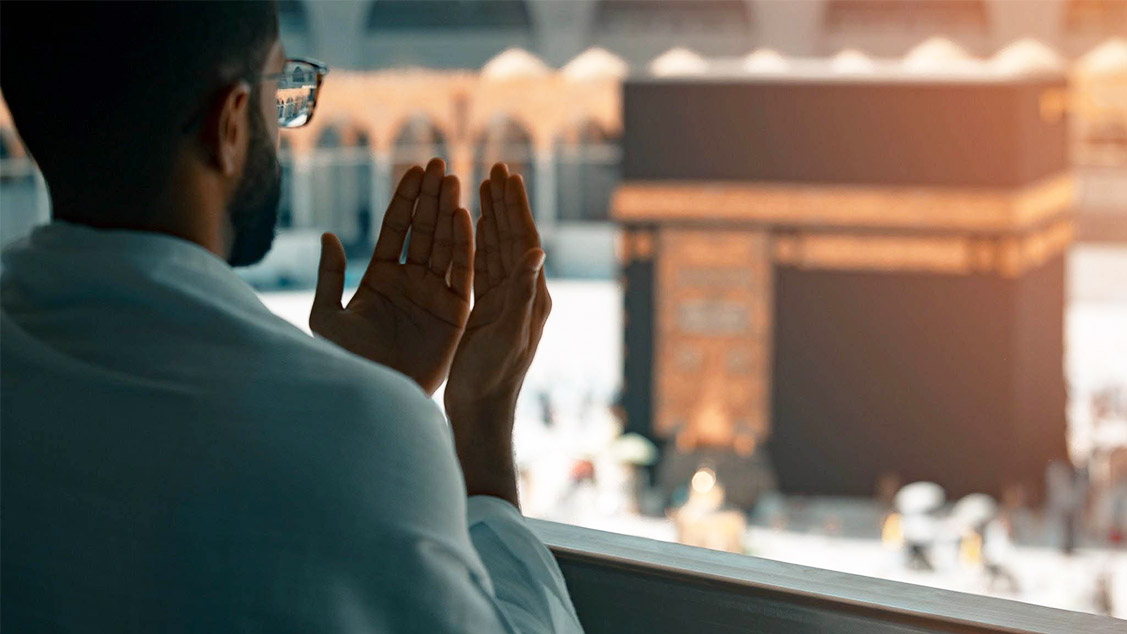
A good Umrah tour from UK covers flights, hotels, transfers, guidance and practical support. It should remove daily worries so you can focus on worship.
That sounds simple, but small details decide whether the journey feels calm or tiring. Your hotel location matters. So do airport help, clear documents, suitable meals and a group leader who stays with you.
Families often ask us the same questions. Will my parents manage the walking? Can my children rest before Fajr? Who will help if our luggage is delayed? A reliable organiser should answer these questions before you pay.
The aim isn’t a fancy holiday or a packed timetable. You need a journey that gives you time for salah, dua and rest. You should feel supported without feeling pushed from one place to another.
What do UK pilgrims really need?
Price matters, but it isn’t the only thing to compare. Most pilgrims want clear plans, honest answers and enough personal time. They don’t want to spend each day waiting for buses or chasing a group leader.
Good organisation often goes unnoticed. Your room is ready when you arrive. The transfer driver knows your flight. Meals suit your family, and someone explains where to meet after prayer.
These details can matter more than hotel marble or a large breakfast buffet. A short lift queue may save an elderly pilgrim a long wait. A simple snack after Maghrib can settle tired children.
We usually tell families to look beyond the package name. Ask what will happen from the moment you reach the UK airport. Then ask who will help you after you land in Saudi Arabia.
What can make or break your Umrah?
After arranging Umrah tours for UK travellers, I’ve found that five things shape the whole journey. They aren’t glamorous, but you’ll notice quickly if one is missing.
- A simple journey: Support should begin in the UK, not after you reach your hotel.
- A hotel near the Haramain: A shorter walk makes every prayer easier, especially for families and older pilgrims.
- A helpful guide: You need clear instructions, patient answers and practical help in crowded places.
- Time of your own: Group activities shouldn’t take away every quiet moment for dua and reflection.
- Well-managed details: Tickets, luggage, room keys, meals and transfers should be checked in advance.
This is where people sometimes get it wrong. They pay more for a hotel brand but don’t check the entrance, walking route or lift situation.
A hotel may look close on a map. Yet barriers, slopes and busy roads can turn a short distance into a tiring walk. Always ask for the real walking route.
How do you avoid airport stress?
Prepare before leaving home
A calm trip starts several weeks before departure. You should receive clear information about passports, visas, luggage limits, ihram and meeting points. Keep paper copies as well as copies on your phone.
A group chat is useful when it has a clear purpose. It should provide updates and answer common questions. It shouldn’t become a stream of confusing messages from dozens of people.
Pack medicines, documents and one change of clothes in your hand luggage. Delayed bags aren’t common on every trip, but they do happen. Keep essential items with you rather than in a large suitcase.
If you’re travelling with children, label each bag clearly. Put your UK and Saudi contact numbers inside the case too. An outside luggage tag can tear off during a transfer.
Know what happens at the UK airport
Your group leader should be easy to recognise at the airport. They should arrive early and check that everyone has the correct documents. This is especially helpful for first-time pilgrims and solo travellers.
Airport queues can feel long when children are restless or parents need seats. Agree on a meeting point before anyone goes for food or prayer. Don’t rely only on finding each other by phone.
Ask about meals and mobility help before flying. Airline assistance often needs to be arranged ahead of time. Don’t wait until check-in to mention that a parent cannot walk long distances.
Plan for arrival in Saudi Arabia
After landing, immigration and baggage collection may take time. The difficult part is often gathering the whole group afterwards. One person may be at the toilets while another is still waiting for a suitcase.
A local representative should wait at an agreed place after immigration. They should know the passenger list, hotel and vehicle details. You shouldn’t have to ring several numbers while standing with your bags.
On a smooth arrival, pilgrims may reach their rooms within 60–90 minutes of landing. This isn’t always possible because queues and traffic can change. Still, the organiser should avoid delays that could have been prevented.
Early check-in can also make a big difference. After an overnight flight, waiting in a lobby with luggage feels much longer than expected. Confirm the check-in plan before departure.
How far is the walk to the Haram?
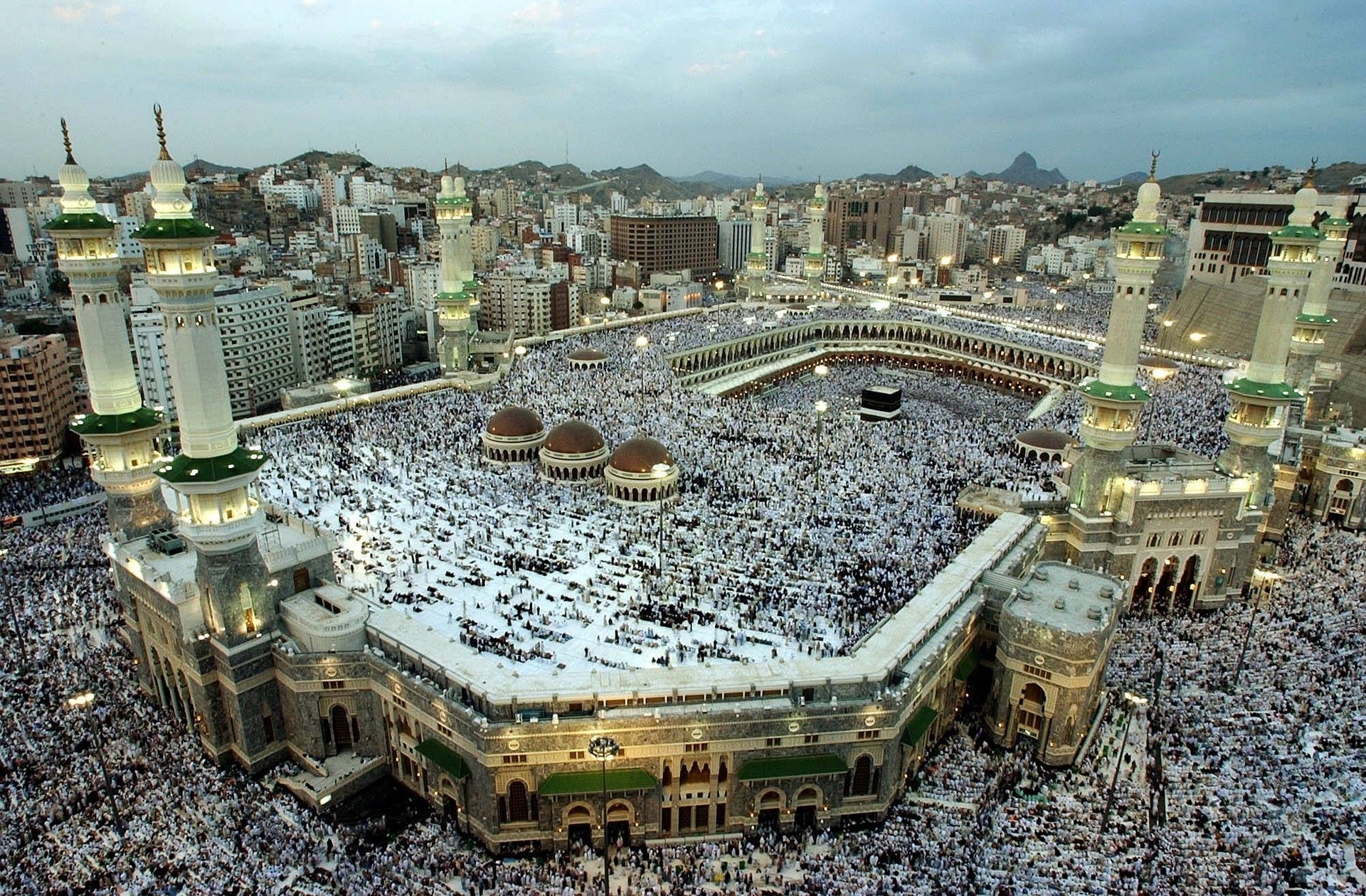
Hotel distance affects your day more than many people expect. A five-minute walk can make it easier to attend prayers and return for rest. A 15 or 20-minute walk becomes tiring after tawaf.
In our experience, even a 400-metre walk feels longer with a pram. It also feels different in heat, crowds or after the doors nearest your hotel close. Test the route soon after checking in.
Ask which hotel entrance faces the Haram. Check whether the route has steps, steep slopes or road crossings. Also ask where women and families usually enter for prayer.
Is the nearest hotel always best?
Usually, a close hotel is worth choosing. It helps older pilgrims, young children and anyone with limited mobility. You can return to the room between prayers without turning every trip into a major outing.
However, the nearest building isn’t always the easiest choice. A large tower may have crowded lifts before and after salah. A slightly farther hotel with better lift access can sometimes work better.
This is an honest trade-off. Don’t judge distance by metres alone. Ask how many lifts serve your floor and whether breakfast queues block the lobby.
A Kaaba-view room can be deeply moving, but it usually requires early booking. Views may also differ between rooms in the same category. Ask what “view” means before confirming.
Do you need an Umrah guide?
You can learn the rites from books, classes and trusted online sources. Even so, a patient guide can be very helpful on the ground. Crowds and tiredness make simple instructions harder to remember.
A good mutawwif explains each step in plain language. The guide should help at the Miqat and during Sa’i. They should also agree on meeting points in case someone becomes separated.
This support isn’t meant to feel like a long lecture. Pilgrims need short reminders at the right time. They also need someone who can answer private or awkward questions respectfully.
Check that the guide speaks clear English and will be physically present. A phone number alone isn’t enough in a busy crowd. Ask who takes over if the main guide becomes unavailable.
Children benefit from simple stories about the places they visit. Adults also appreciate some history and context. However, talks should never take up all the time meant for worship and rest.
How much free time should you have?
Some structure is helpful, especially on a first Umrah. You need confirmed transfers, meeting times and guidance for the main rites. Yet every hour doesn’t need to be planned.
The best schedules leave space after prayers and guided visits. You may want to sit quietly in the Prophet’s Mosque. You may need a longer sleep after travelling or performing Umrah.
A rigid programme can become exhausting. If you miss one activity, you shouldn’t feel that the whole day has failed. Optional visits should remain optional.
We’ve seen pilgrims value unplanned moments most. It might be a quiet dua after Fajr or a kind conversation with another pilgrim. A sensible organiser protects time for these moments.
Ask for the daily programme before booking. Look for rest periods and realistic travel times. If activities run back-to-back every day, the plan may be too demanding.
Can an Umrah trip feel easy?
No journey is completely free from delays. Flights change, roads become busy and lifts fill after prayer. The aim is to handle these problems without leaving pilgrims confused.
Luggage transfers between Madinah and Makkah need careful planning. Each bag should have a name and contact number. Count the bags before the vehicle leaves and again when it arrives.
The Haramain train can be efficient for travel between the cities. However, stations have security checks and luggage rules. Moving ten people and their cases through a queue takes time.
Families often prefer someone else to manage tickets and luggage trolleys. The group leader should keep tickets together and tell everyone where to stand. Pilgrims shouldn’t discover the platform at the last minute.
Meals also need checking. Find out which meals are included and when they’re served. A late arrival may mean the hotel restaurant has already closed.
Keep a little spare time around every transfer. Confirm airport pickups, train times and baggage arrangements in writing. This protects you when plans change.
What does a well-planned trip look like?
A thoughtful Umrah tour from UK often follows a simple pattern. The exact order may change, but each part should allow time for worship and recovery.
- Arrival in Madinah: A private or organised transfer takes you to a hotel near Masjid an-Nabawi. A five-minute walk is manageable for many pilgrims. Rest first, then learn the entrance route and quieter prayer times.
- Time in Madinah: Attend prayers without rushing every hour. A gentle historical visit can add meaning. Keep enough free time for personal worship in the Prophet’s Mosque.
- Travel to Makkah: Use a pre-booked car, coach or train. Comfort and luggage support may matter more than speed. Leaving slightly earlier or later can sometimes avoid the busiest queues.
- Arrival in Makkah: Check in and walk the hotel route before performing Umrah. Notice slopes, lifts and entrances. Families should test the route with the pram or wheelchair they’ll use.
- Performing Umrah: Meet the guide at a clear place. Stay hydrated and agree on a backup meeting point. The group should move at the pace of its slower members.
- During the stay: Balance congregational prayers with naps, meals and personal time. Optional Ziyarah visits often work well in the morning. Don’t fill every day with shopping and travel.
- Returning home: Pack without rushing and weigh bags in advance. Check passports, tickets and transfer times twice. Keep snacks and medicines in hand luggage for the airport.
A specialist such as official Makkah hotel booking site can help with room layouts, meals and mobility needs. Ask for exact details rather than relying on a general package description.
For example, connecting rooms aren’t the same as nearby rooms. A “family room” may still have limited floor space for luggage. Confirm beds, lifts and bathroom access before paying.
Is a good tour only for luxury travellers?
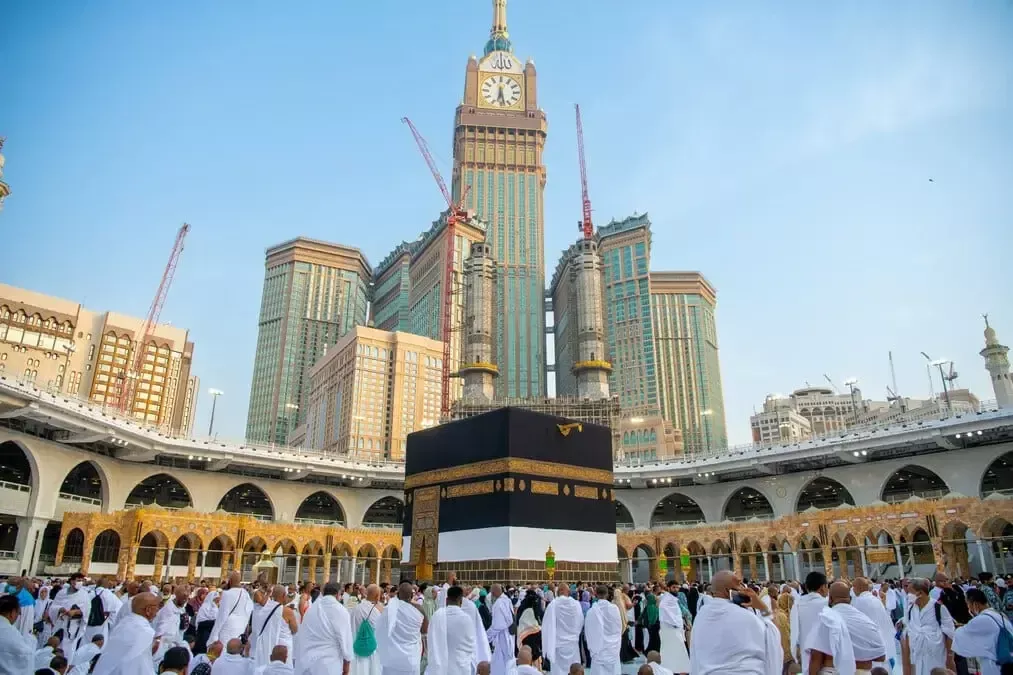
No. Clear communication, safe transfers and suitable hotel access should matter at every budget. You don’t need the most expensive room to receive proper support.
Spend money where it will help you each day. A closer hotel may be more useful than a larger room far away. Reliable transfers may be better than an extra sightseeing trip.
Hotels in Makkah can help pilgrims compare room types and locations. Local knowledge is useful for checking early arrival, lift access and support at unusual hours.
Some travellers prefer to build their trip from separate parts. They book rooms, meals and transfers based on their needs. This offers more control, but each booking must connect properly.
Package tours are simpler for many first-time pilgrims. Still, don’t assume everything is included. Ask for a written list of flights, visas, meals, transfers, guidance and Ziyarah.
What should you do before booking?
Write down the needs of every traveller. Include walking ability, medicines, diet, room sharing and wheelchair support. Be honest about what older parents and small children can manage.
Then ask direct questions about the hotel and daily programme. Find out who meets you at both airports. Ask who helps if a passport, bag or room booking causes a problem.
Don’t choose only from attractive photographs. Check the walking route, transfer times and cancellation terms. A well-designed trip brings more comfort than an impressive package name.
What are UK pilgrims asking?
How many days do we need?
In our experience, 10–14 days gives most families time to breathe. This allows a few days in Madinah and about a week in Makkah.
A shorter visit can work, but it may feel rushed. Children and older pilgrims usually need more rest after flights, transfers and Umrah.
Can elderly parents and children join?
Yes. These travellers often benefit most from close hotels and organised support. Confirm step-free access, lift waiting times and wheelchair arrangements before booking.
Ask whether a pram can be stored easily in the room. Also check the real walking route. A short distance on paper may include slopes or crowded crossings.
When should we book a Kaaba-view room?
Book as far ahead as possible, especially during busy periods. A buffer of 4–6 months is sensible. Larger families may need more time to find suitable rooms together.
Ask whether the view is full or partial. Check if the window faces the Kaaba directly. Room descriptions can vary between hotels and booking companies.
Will the guide speak English?
Clear English guidance should be standard for a UK group. Still, confirm it before paying. This matters when elders don’t speak Arabic or feel nervous in crowds.
Ask whether the guide joins the main Umrah rites. Also confirm how pilgrims can contact them outside scheduled group activities.
What does all-inclusive really mean?
It usually covers flights, visas, hotels, ground transfers, meals, guidance and Ziyarah. Some packages include all meals, while others provide only breakfast.
Always request a written list of inclusions. Check airport pickups at late hours and transfers between Madinah and Makkah. These are common places for misunderstandings.
When you’re ready to price a stay, you can compare Madinah hotels near the Prophet’s Mosque and choose what suits your dates, family and budget.
You Might Also Like

Akhil Shariff ✓
Umrah Specialist with 10+ years experience
Akhil Shariff is an Umrah specialist with over 10 years of experience arranging hotels, transfers and ziyarath for pilgrims travelling to Makkah and Madinah. He works with hotel partners on the ground in both cities and reviews every guide against what pilgrims actually report back.
🏆 Verified Expert
Frequently Asked Questions About Umrah Tour from UK
- What Actually Makes an Umrah Tour from the UK ‘Perfect’?
- If you're picturing an Umrah tour from the UK, you’re likely wondering about more than flights and a room. Most British Muslims searching this are really asking: “Will my trip be anxiety-free – and will I have the spiritual space I crave, not just rushed rituals?” In decades helping families, couples, and solo travellers make this journey, I’ve learned that the real dream isn’t extravagance or ticking boxes. It’s a journey where stress melts away, leaving you to focus on the
- What Do Pilgrims Really Want When They Search for an Umrah Tour?
- People searching “Umrah tour from UK” may be comparing prices, but deep down, what they seek goes far beyond logistics. You’re looking for something personal—a trip with space for your own dua and awe, not something transactional. If you’re arranging for family, you’re hoping for reassurance and ease, not a blur of queues and confusion. Too often, people fear a factory-style group, shuffled from bus to bus, feeling more like a passenger than a pilgrim. The best tours understa
- What Are the Five Things that Make or Break Your Umrah?
- After years tailoring Umrah tours for UK travellers, I’ve seen the difference five honest ingredients make. Not some checklist, but what really decides if a trip is heartfelt and uplifting—or exhausting and forgettable: Let’s unpack what these look like in reality, because this is where many “premium” tours get it wrong—or right.
- Pre-Flight Prep: What Actually Calms the Last-Minute Panic?
- In practice, peace starts weeks before departure. First-timers often imagine last-minute document chases or missing luggage tags at the terminal. But the way we organise: travel wallets go out early, WhatsApp groups open long before you fly, and someone you’ve heard from (not a stranger) meets you at the airport—helping families with small children, calming nervous elders, reassuring solo sisters, and catching those “I forgot my ihram belt!” moments. Choose a group where the
- Arriving in Saudi: What’s Smooth, What’s Not?
- Real luxury on arrival isn’t the size of your airport transfer vehicle—it’s cutting idle time and confusion. Nobody wants to wrangle a tired parent into a hot minibus, or discover their trolley is missing halfway through customs. The best tours have a local fixer waiting just past immigration, not lost at Arrivals. Paperwork is done upfront, so you’re not stuck watching other groups get whisked onwards while your party waits for “just one more form.” I’ve found that if you’re
- What’s It Really Like Staying Close to the Haram?
- Staying close means it’s easier to answer the call—no drama over lifts, taxis, or split families. For children, it removes the dread of “long walks in the heat.” For the elderly or those with limited mobility, it is the difference between comfort and constant fatigue. If you want true rest between prayers, proximity wins over every other hotel perk. If you can secure a room facing the Kaaba itself—whether at a big-name chain or an older hotel with character—it changes the who
Ready to Book Your Umrah Journey?
Compare verified hotels in Makkah and Madinah with guaranteed best prices.
Browse Hotels →