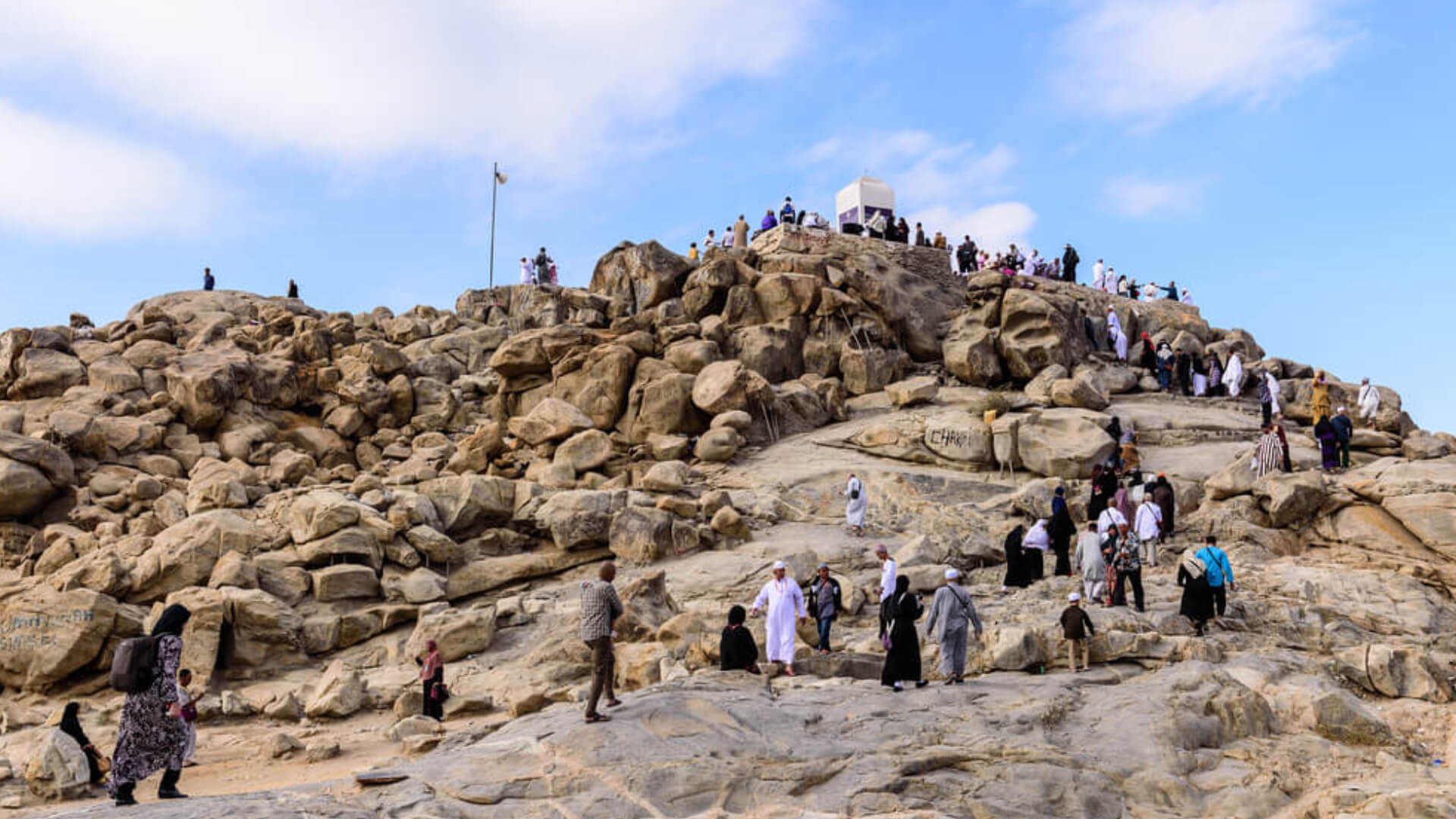
7 Best Places to Visit in Makkah for Umrah Pilgrims
Places to Visit in Makkah for Umrah Pilgrims — practical, evergreen guidance from our licensed Umrah specialists, written for pilgrims booking hotels in Makkah near Haram and our hotels in Madinah near the Prophet's Mosque. Every claim in this guide is verified against current Saudi Ministry of Hajj guidance and our own operational data from thousands of completed Umrah journeys. If you're planning your trip now, jump to our all-inclusive Umrah packages or read related deep-dives in the section below. Questions? Our WhatsApp team replies in under 30 seconds, 24/7.
Makkah, Saudi Arabia, calls Umrah pilgrims to a sacred journey, and exploring the Best Places to Visit in Makkah enriches your spiritual experience. From the awe-inspiring Masjid al-Haram to the historic Jabal al-Nour, these sites offer deep connections to faith and history.
Quick overview
Places to Visit in Makkah for Umrah Pilgrims: quick overview
Makkah, Saudi Arabia, calls Umrah pilgrims to a sacred journey, and exploring the Best Places to Visit in Makkah enriches your spiritual experience. From the awe-inspiring Masjid al-Haram to the historic Jabal al-Nour, these sites offer deep connections to faith and history.
- Masjid al-Haram is the central place for all pilgrims.
- Safa and Marwah are part of the Umrah rituals.
- Jabal al-Nour and Jabal Thawr require real fitness to climb.
- The Makkah Museum explains the history of the holy sites.
- Prayer and rest should come before sightseeing trips.
- 🛡️ Licensed Travel Agency
- ⭐ 5-Star Rated Service
- 🏆 Best Umrah Service
- ✅ Verified Information
Key Takeaways
- Masjid al-Haram is the central place for all pilgrims.
- Safa and Marwah are part of the Umrah rituals.
- Jabal al-Nour and Jabal Thawr require real fitness to climb.
- The Makkah Museum explains the history of the holy sites.
- Prayer and rest should come before sightseeing trips.
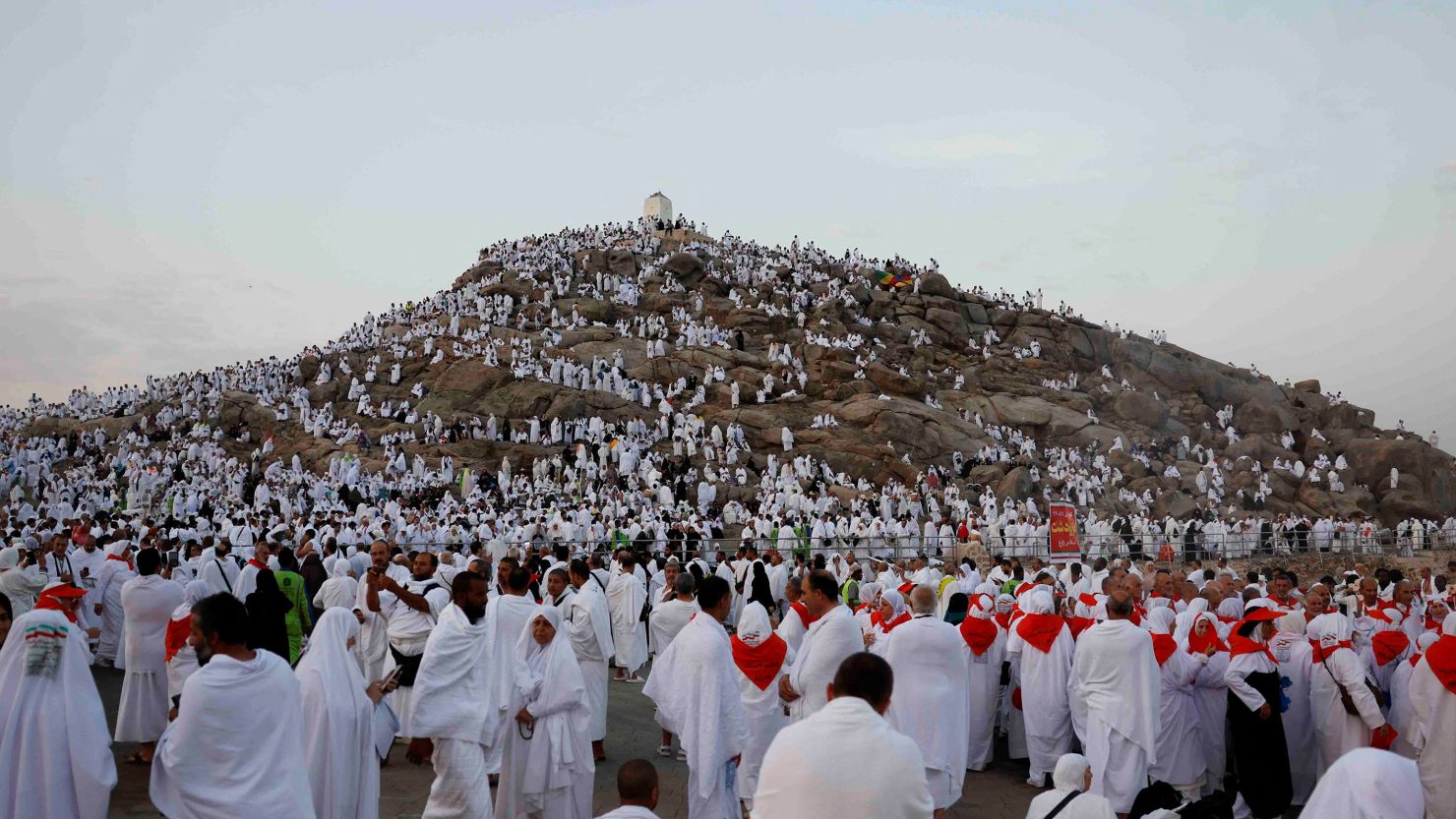
The best places to visit in Makkah for Umrah pilgrims are Masjid al-Haram, Safa and Marwah, Zamzam, Jabal al-Nour, Jabal Thawr, Al-Rajhi Grand Mosque and the Makkah Museum. The first three are part of Umrah, while the others are optional historical visits.
Makkah can feel confusing on your first trip. A short distance on a map may involve crowds, security barriers, lifts and long indoor routes. We usually tell families to complete Umrah first, sleep properly and then consider other visits.
Before travelling, check the current rules for visiting Makkah. Keep your daily plan flexible too. Prayer should remain your priority, and tired pilgrims gain little from rushing between sites.
These seven places are worth considering, but you don't need to visit all of them. The mountain climbs need good fitness. Museum entry may need checking in advance. A drive across Makkah can also take half a day once traffic and prayer crowds build up.
1. How should you use time at Masjid al-Haram?
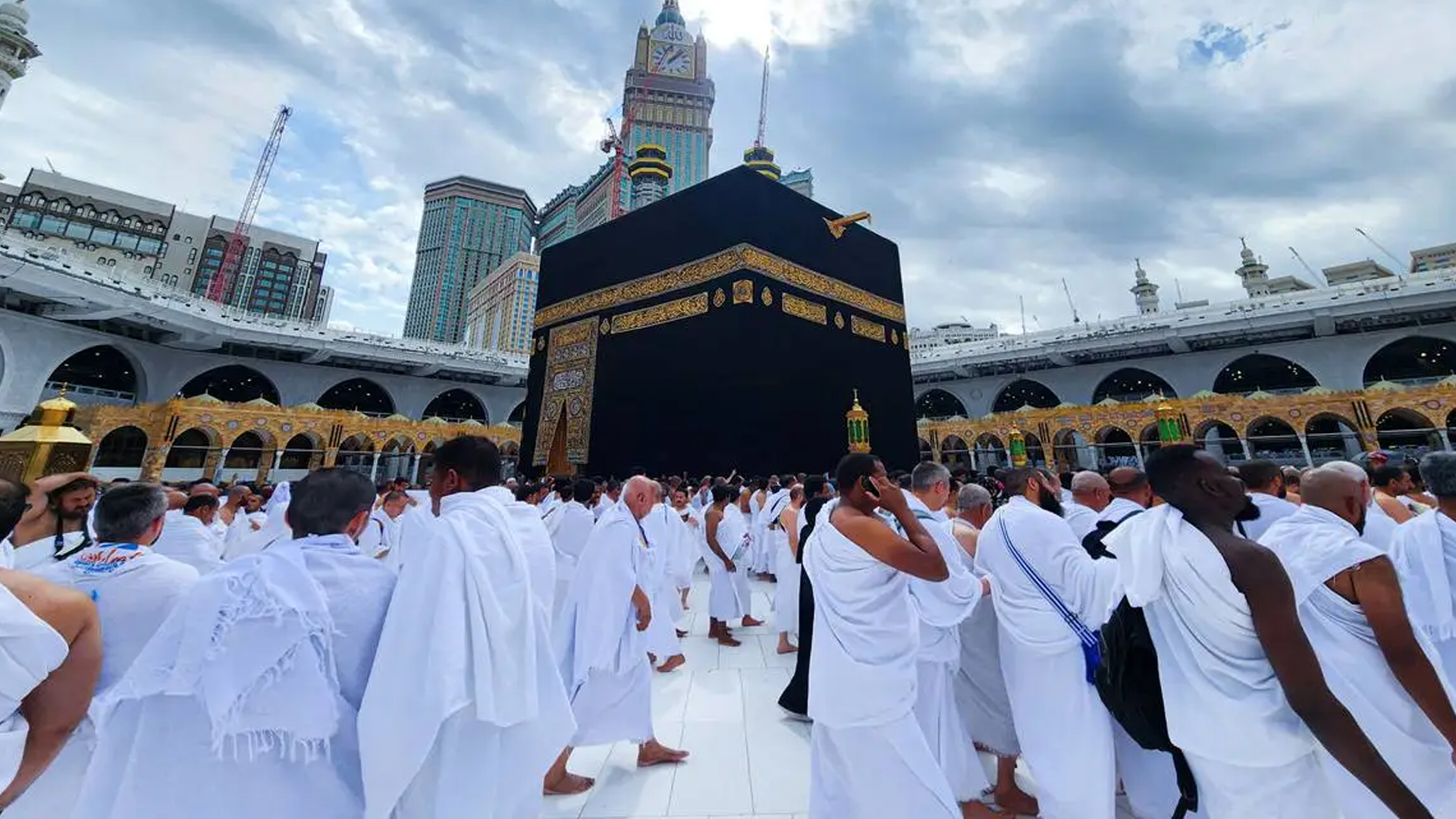
Masjid al-Haram is far more than a stop on a sightseeing list. It is the heart of your pilgrimage. The mosque contains the Kaaba, and pilgrims perform Tawaf and Sa’i here.
If your visit is short, give most of your time to the Haram. Don't feel that you must cover every historical place in Makkah. Quiet worship is usually more valuable than a crowded daily schedule.
The mosque is huge, and crowd-control routes can change without much warning. Make a note of your entrance gate and photograph the nearest sign. Agree on a clear meeting place before anyone enters.
“Meet near the Kaaba” is not a workable plan. Phone signals can be unreliable during busy periods. Family members may also leave through different doors or reach different floors.
Why is the Haram important in Islamic history?
Islamic tradition connects the building of the Kaaba with Prophet Ibrahim and his son Ismail. They raised it as a house for the worship of Allah. Masjid al-Haram later grew through the Umayyad, Abbasid, Ottoman and modern Saudi periods.
Parts of this long history can be seen in the mosque's architectural details. Most first-time pilgrims notice its size before anything else. It can take several visits before the layout begins to feel familiar.
Leave enough time for worship without watching the clock. A common mistake is performing Tawaf at a busy time and then leaving for another trip. Feet swell, children become restless and older relatives often need longer to recover.
What will make your visit easier?
Cooling systems, covered spaces, lifts and escalators have made the Haram easier to use. Even so, you will walk much more than expected. A route that looks like ten minutes may take twice as long in a prayer crowd.
Wear comfortable shoes while travelling to and from the mosque. Carry a small shoe bag, and leave unnecessary luggage at your hotel. A refillable bottle, identification card, medication and phone power bank are usually enough.
Wheelchairs and other mobility help are available, but routes and collection points may change. The nearest entrance isn't always the easiest one. Ask a member of staff which gate reaches the floor or wheelchair route you need.
We also give elderly pilgrims their hotel details on paper. Phones run out of power, and some people can't remember a tower or entrance name under stress. A simple written card can save a great deal of worry.
Quick comparison: walking distance and nightly rates
These hotels can be compared using two details pilgrims ask about first. One is the walk to the Haram. The other is the starting nightly rate.
| Hotel | Walk to the Haram | Rating | Nightly rate |
|---|---|---|---|
| Fairmont Makkah Clock Royal Tower | 2 min walk | 5-star | From $399 |
| Raffles Makkah Palace | 1 min walk | 5-star | From $399 |
These rates begin with the lowest room type and change by season. Use them as a rough guide, not a final quote. Also check the real walking route, because lifts and internal corridors add time.
2. Is the Cave of Hira climb for you?
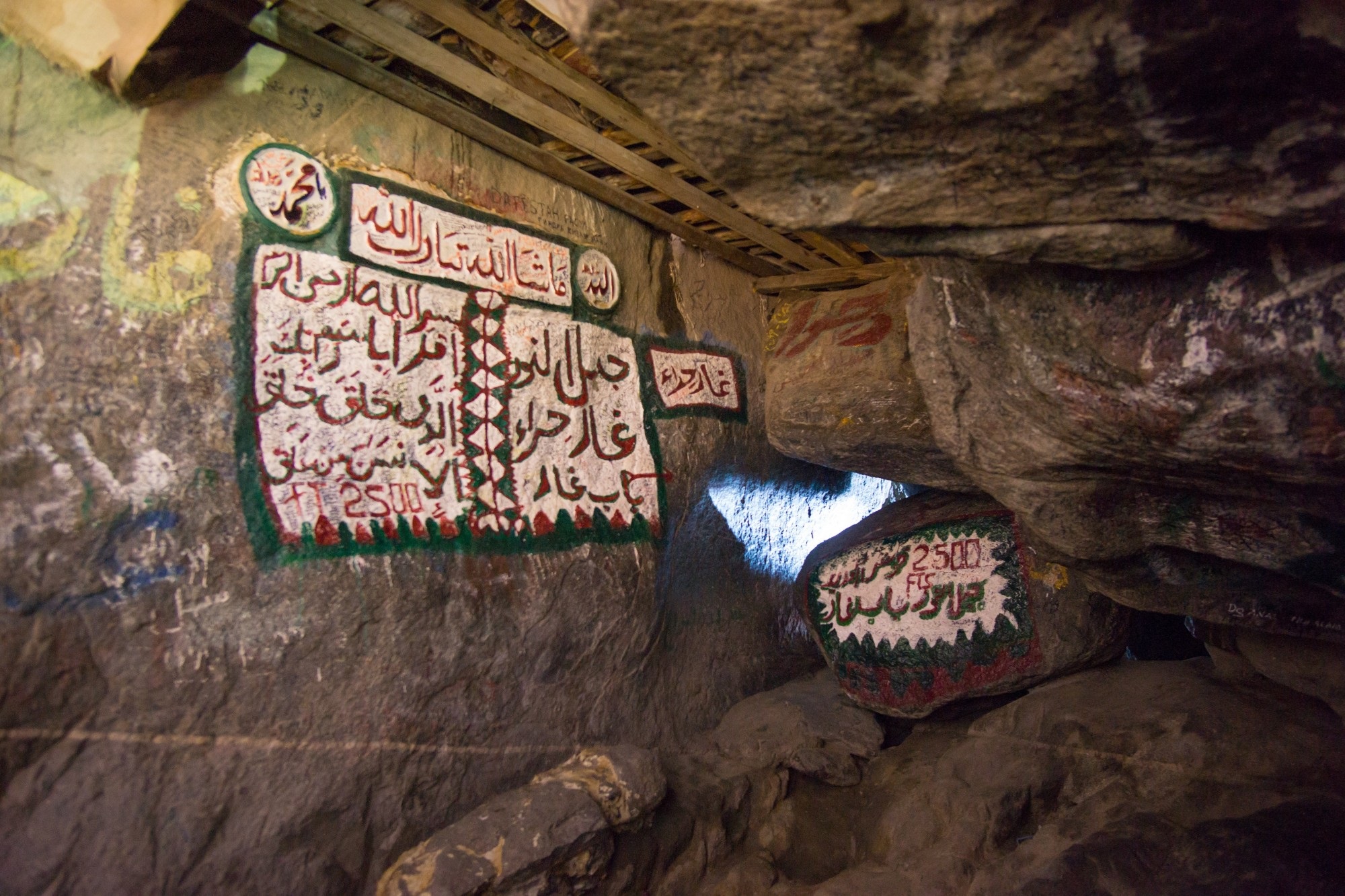
Jabal al-Nour means the Mountain of Light. It is linked with the Cave of Hira, where Prophet Muhammad received the Quran's first revelation through Angel Jibreel. For many pilgrims, the history makes this an emotional place.
However, the climb is not part of Umrah. It is steep, tiring and unsuitable for some visitors. You can visit the base and reflect on the story without climbing.
What happened in the Cave of Hira?
Before his prophethood, Prophet Muhammad went to the cave for quiet thought and worship. During Ramadan, the opening verses of Surah Al-Alaq were revealed: “Read in the name of your Lord who created.” Quranic revelation then continued over 23 years.
The importance lies in what happened there. It doesn't come from touching the walls or tying objects nearby. There is also no need to push into the small cave while others wait.
If you reach it, give people space and keep your visit brief. Quiet reflection is more fitting than trying to take many photographs. The final area can feel cramped even when the rest of the route seems manageable.
How hard is the climb?
Jabal al-Nour rises about 640 metres above sea level. The path has rough steps, uneven rock and narrow sections. There is little comfort once the sun becomes strong.
The climb commonly takes between 45 minutes and one and a half hours. Your time will depend on fitness, crowding and rest stops. Remember that reaching the cave is only half the journey.
Wear trainers or walking shoes with good grip. Loose sandals can slide on smooth rock. Carry water in a small backpack so both hands remain free.
Take any inhaler or essential medicine with you. Start early rather than arriving after the mountain has become hot. Sun protection matters because long parts of the route have little shade.
This is where people often get it wrong. They hear that many pilgrims climb Hira and assume everyone can do it. The route isn't suitable for every pilgrim.
People with knee trouble, heart conditions, breathing problems or poor balance should consider staying at the base. Children need close supervision. A pram cannot be used on the mountain.
What should you expect near the cave?
The cave is small and can become crowded. A queue may form near the final approach, where the path narrows and movement slows. Don't push or remain inside while others are waiting.
The view across Makkah is striking. Still, many pilgrims remember the difficult setting more than the view. It helps them imagine the solitude that the Prophet sought there.
A good local guide can explain the setting and its history. Agree on the route and meeting plan before starting. A guide can't make the path less steep or protect tired knees during the descent.
3. How can you complete Sa’i without rushing?
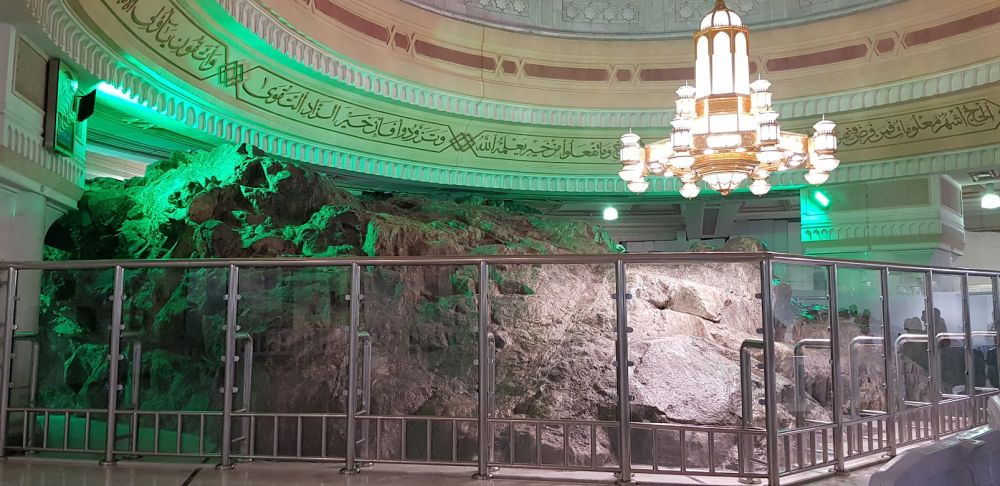
Safa and Marwah are inside Masjid al-Haram. Walking between them during Sa’i is an essential part of Umrah. The rite remembers Hajar's search for water for her infant son Ismail.
Their small supply had finished in Makkah's barren valley. Hajar went between the two hills seven times while looking for help. Islamic tradition says Allah then provided Zamzam after Angel Jibreel struck the ground.
Her effort carries a clear lesson for every pilgrim. Trust in Allah doesn't mean waiting without taking action. Sa’i brings that lesson into the physical experience of Umrah.
How far do you walk during Sa’i?
Safa and Marwah are approximately 450 metres apart. Seven lengths cover about 3.15 kilometres. That figure doesn't include your walk from Tawaf or the distance to your exit.
On paper, the distance may sound easy. After a flight, Tawaf and hours on hard floors, it can feel much longer. In our experience, families often underestimate this part of Umrah.
The Sa’i corridor is air-conditioned and has several levels. Wheelchair routes and electric carts are available. However, crowd management may affect which route or level you can use.
Green lights mark the section where men are encouraged to move faster. Women continue at their normal walking speed. If you need to walk slowly, keep to one side where possible.
Don't stop suddenly in the main flow to check your phone or wait for relatives. Move to the side first. Sudden stops can cause people behind you to stumble, especially in a busy group.
Decide before Sa’i whether an elderly relative needs a wheelchair. Waiting until they are exhausted makes the final lengths much harder. Keep water nearby, but avoid heavy bags and large pushchairs.
Children should stay beside an adult rather than moving between lanes. Agree on a meeting point in case the family becomes separated. Finish at a steady pace instead of trying to match faster pilgrims.
4. Should you climb Jabal Thawr?
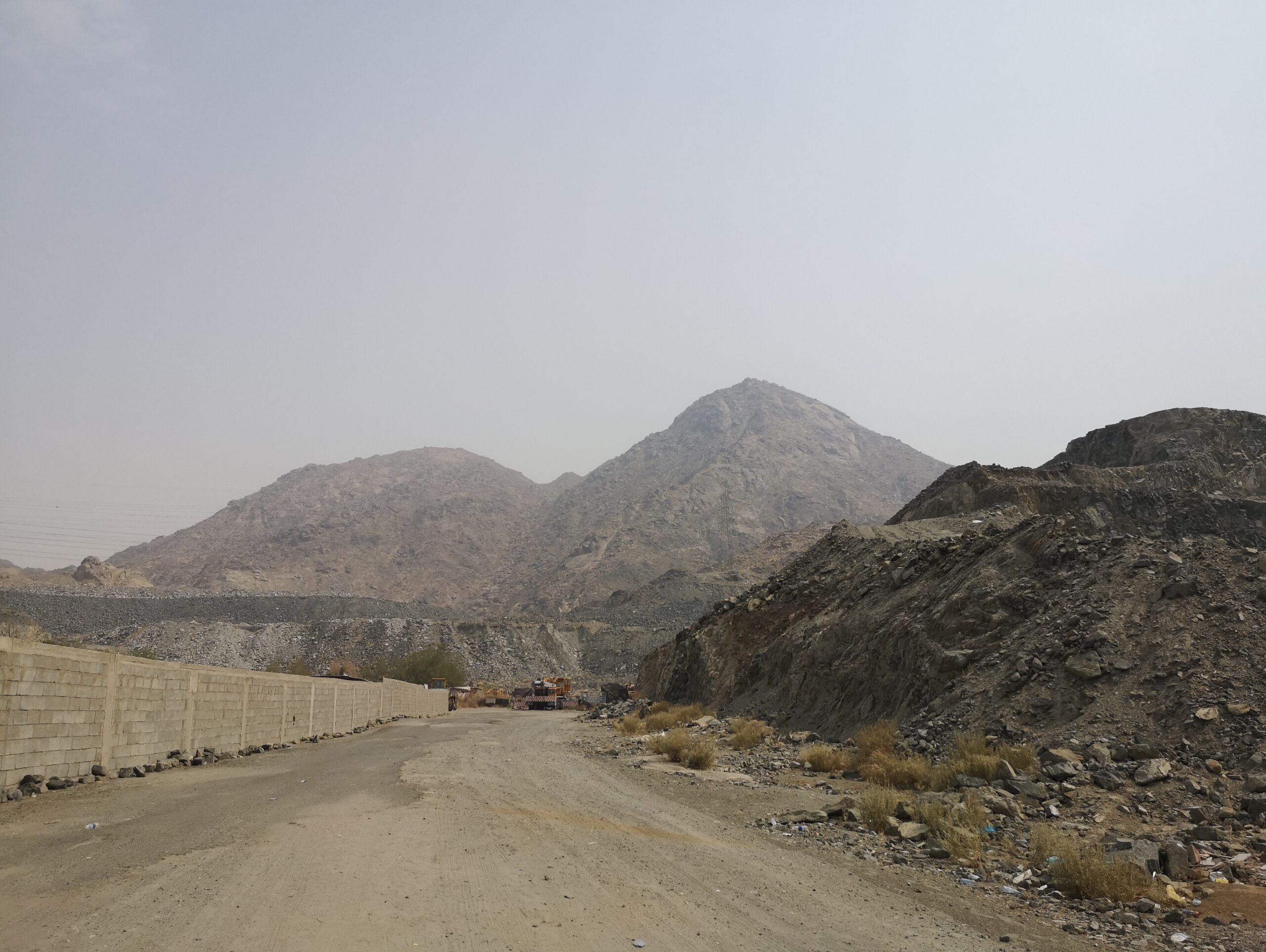
Jabal Thawr is connected with the Hijrah from Makkah to Madinah. Prophet Muhammad and his companion Abu Bakr stayed in the Cave of Thawr for three days. They had taken refuge there while being pursued.
The Quran refers to the Prophet reassuring his companion that Allah was with them. This makes Thawr a place linked with trust during severe danger. You can understand that lesson without reaching the cave.
What happened at the cave?
After persecution in Makkah, the Prophet and Abu Bakr left for Madinah. They first travelled in a direction that helped them avoid those searching for them. They remained in the cave while the search continued.
A widely told tradition mentions a spider's web and a dove's nest at the entrance. According to that account, these caused the pursuers to turn away. The main lesson, however, is not about the mountain itself.
The story shows careful planning, loyal companionship, patience and trust in Allah. For someone unable to climb, a short visit to the area can still have meaning. Nobody should feel ashamed about remaining at the base.
How difficult is Jabal Thawr?
The ascent is often said to take about 30 to 45 minutes. Actual times vary with the route, weather, crowds and personal fitness. Treat that timing as an estimate, not a promise.
The ground is rocky and shade is limited. You must also save strength for the return. A descent can feel harder on tired legs and knees than the climb itself.
Wear sturdy footwear and take water and sun protection. Avoid the hottest hours of the day. Choose modest clothing that still lets you move safely over uneven steps.
Older relatives, very young children and tired pilgrims may be better staying below. This is especially true just after completing Umrah. Don't let group pressure turn an optional visit into a health risk.
Avoid planning Jabal Thawr and Jabal al-Nour one after the other. Even fit walkers can find that exhausting. It also leaves little energy for prayers at Masjid al-Haram.
5. Where should you drink Zamzam?

Zamzam is closely linked with Hajar and Ismail. Pilgrims drink it during their time in Masjid al-Haram. Many make dua for useful knowledge, provision, forgiveness and healing.
You don't need to find the original well. Zamzam dispensers are placed throughout the mosque. Use a station away from the busiest walking flow whenever possible.
Why is Zamzam important?
Islamic tradition says the spring appeared after Hajar searched for help. Angel Jibreel struck the ground, and water came out. Zamzam has served pilgrims through the centuries.
The water remains a reminder of relief after effort and trust. Drink calmly and make your supplication without holding up the dispenser. Cups may be available beside the stations.
Some dispensers are marked for cooler or non-cooled water. Fill your cup and step aside before drinking. This leaves room for others and reduces spills around the station.
Can you fill a bottle inside?
A small personal bottle can be useful. However, rules for filling containers or taking Zamzam away may change. Follow current signs and staff directions rather than old advice from another traveller.
Large containers can block the walkway and cause slippery spills. Don't try to fill several bottles while a queue forms behind you. There will usually be another dispenser if one area is crowded.
Some pilgrims drink while standing and facing the Qibla. A common dua asks Allah for beneficial knowledge, plentiful provision and healing from every disease. In a crowd, safety and care for others come first.
6. Should you visit Al-Rajhi Grand Mosque?
Al-Rajhi Grand Mosque is one of Makkah's large modern mosques. It has spacious prayer halls and a calmer setting. Some pilgrims appreciate a quieter place after the constant movement near the Haram.
It shouldn't replace your time in Masjid al-Haram, especially on a short stay. However, it may suit families staying outside the centre. It can also work well if you are already driving across Makkah.
What will you find there?
The mosque has modern Islamic design, geometric decoration and tall minarets. Inside are chandeliers and wide prayer spaces with marble floors. Separate facilities are available for men and women.
The size is impressive, but many visitors remember the calm atmosphere most. Parking and nearby places to eat can make the stop easier for families. It is often simpler than managing another trip into the central area.
Check prayer access and the women's entrance before leaving your hotel. A large mosque may have several gates and parking sections. Agree on one exact pickup point with your driver.
Don't simply say, “Meet outside the mosque.” That often leads to calls between different gates. Photograph the gate number or send your driver a clear location before entering.
7. Is the Makkah Museum good for families?
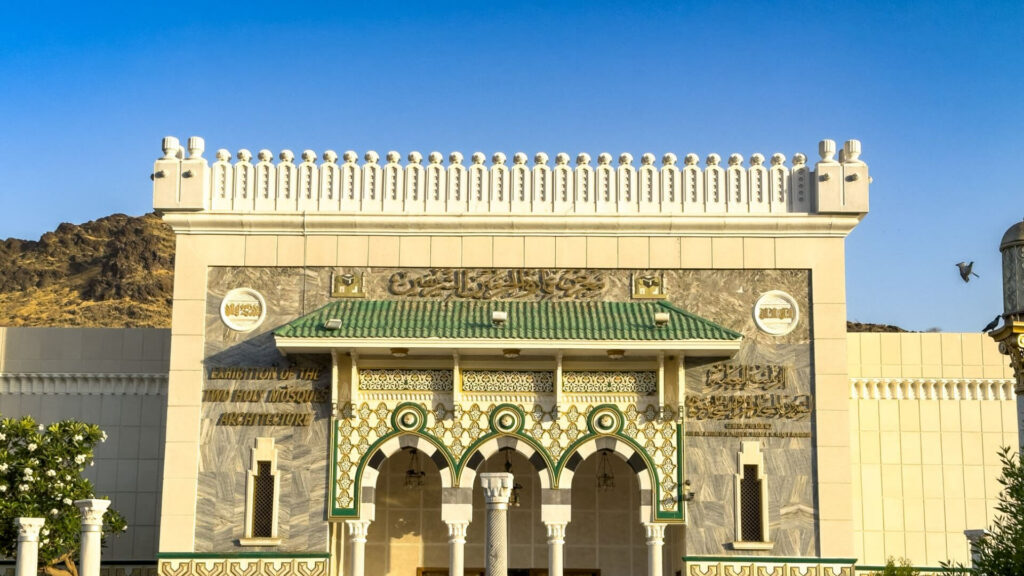
The Makkah Museum is also called the Museum of the Two Holy Mosques. It explains the development of Masjid al-Haram and Masjid an-Nabawi. It is a useful choice for pilgrims interested in history.
A museum visit is also easier on the body than another mountain trip. Families can move at their own speed. It may be a good option after several tiring days of walking.
What can you see inside?
The collections include old inscriptions and early Quranic manuscripts. You can also see items connected with the Kaaba. Models show how the two holy mosques changed over time.
Displays and multimedia material explain how the mosques expanded for growing pilgrim numbers. This background can help you understand the buildings beyond their present size. It is especially useful for older children who enjoy history.
Children often enjoy looking closely at the models and objects. They may welcome some freedom after days in crowded prayer spaces. However, this is a museum rather than an entertainment attraction.
Younger children may move through the displays quickly. Don't plan a very long visit if they are already tired. A shorter, calm visit usually works better than forcing everyone to study each display.
What should you check before leaving?
The museum is in the Al-Zahir district, away from Masjid al-Haram. You will need to drive there. Entry has generally been free, and guided visits have been available in several languages.
These have included Arabic, English, Urdu and Malay. Opening hours, entry arrangements and tour availability can change during busy pilgrimage periods. Confirm them locally before paying for a taxi.
Afternoons may be quieter, but don't depend on this when your schedule is tight. Allow enough time for traffic both ways. Tell your driver exactly which museum you want.
Similar place names can create confusion. We usually show the driver the full name or map location before setting off. This avoids losing time while searching in the wrong district.
How can you plan visits around Umrah?
Three to five days gives most pilgrims a more comfortable amount of time. It allows you to perform Umrah, recover and make a few extra visits. It doesn't mean you must attempt all seven places.
Masjid al-Haram, Safa and Marwah, and Zamzam are already part of your mosque visit. Your real choices are the two mountains, Al-Rajhi Grand Mosque and the museum. Choose according to health, time and interest.
Keep your arrival day light, especially after a long flight. Perform Umrah when you are rested. Leave any mountain climb for a separate morning rather than adding it after Tawaf and Sa’i.
Visit the museum or Al-Rajhi Mosque on another day. Allow time for meals, sleep and the drive back. Traffic becomes harder as prayer time approaches, so don't plan your return too tightly.
Your hotel location matters more than its straight-line distance from the Kaaba. When booking hotels, ask about the actual walking route. Check lift changes and where any shuttle drops passengers.
Central choices include Swissôtel Makkah, Mövenpick, Fairmont Makkah Clock Royal Tower and Raffles Makkah Palace. Even nearby buildings may have long indoor walks, busy lifts or several level changes.
In our experience, a 400-metre route feels much longer with a pram or tired parent. Crowds can also slow you before and after prayer. Look beyond the distance shown on the booking page.
Carry less than you think you need. Water, medication, tissues, identification and a charged phone will usually fit in one small bag. Heavy bags become tiring and may slow security checks.
Give elderly relatives the hotel address on paper. Make sure every family member knows what to do if separated. Pick a clear meeting place that doesn't block an entrance or busy walkway.
Remember that these historical outings are optional. They don't decide whether your Umrah is accepted. A pilgrim who saves energy for worship may use the journey better than someone exhausted by daily tours.
What do pilgrims ask before planning?
Which places should a first-time pilgrim choose?
Start with Masjid al-Haram, Tawaf, Safa and Marwah, and Zamzam. These are central to your Umrah experience. If your health and time allow, add the Makkah Museum for historical background.
Choose one mountain rather than assuming you must climb both. Al-Rajhi Grand Mosque suits pilgrims with spare time. It is also practical for those already travelling outside central Makkah.
How many days do you need?
Three to five days allows most people to perform Umrah without rushing. It also leaves room for several optional visits. Travel tiredness may affect your first day, so don't fill it with tours.
Mountain walks can require recovery afterwards. A longer stay doesn't need to become a packed schedule. Rest is part of sensible planning, especially for children and older pilgrims.
Do these places have entry fees?
Masjid al-Haram, Safa and Marwah, Zamzam, Jabal al-Nour and Jabal Thawr don't generally charge admission. Al-Rajhi Grand Mosque also doesn't generally charge entry. The Makkah Museum has offered free entry as well.
Transport, private guides and organised tours may cost extra. Check current museum arrangements before leaving your hotel. Don't pay a driver to wait until you know the museum is open.
When should you make outdoor visits?
Use the cooler morning hours for Jabal al-Nour or Jabal Thawr. Late afternoon may also work. However, leave enough daylight to descend safely.
November to February is generally cooler. Even then, exposed rocks can become hot. Check the conditions and don't assume a mountain will feel cool because the morning air is pleasant.
Crowds at Masjid al-Haram change around prayers and busy pilgrimage periods. Before Fajr or later after Isha may feel calmer on some days. There is no time when the mosque is reliably empty.
Can elderly pilgrims visit these places?
Masjid al-Haram and the Sa’i corridor have lifts and wheelchair routes. Electric carts are also available for Sa’i. Crowd controls may change the route you are asked to follow.
Al-Rajhi Grand Mosque and the museum are usually easier than the mountain sites. Jabal al-Nour and Jabal Thawr won't suit every elderly pilgrim. Visiting the base is a completely respectable choice.
Never pressure a parent or relative to climb because others are doing it. People sometimes hide pain because they don't want to delay the group. Ask honestly how they feel before starting.
Do you need a guide or driver?
A driver helps when combining places outside the central Haram area. Agree on the complete route and waiting arrangement before leaving. Confirm whether the driver will wait or return later.
Choose one exact pickup point and keep the driver's number. A guide can provide useful historical background. Look for someone who separates well-established accounts from popular stories.
A good guide should also respect prayer times and the group's physical limits. Avoid anyone who rushes elderly pilgrims or encourages unsafe climbs. No historical visit is worth missing prayers or risking injury.
What should you remember before setting out?
The best places to visit in Makkah aren't always those that produce the most photographs. Masjid al-Haram gives your pilgrimage its centre. Safa, Marwah and Zamzam bring Hajar's trust and effort into the Umrah rites.
Hira recalls the beginning of Quranic revelation. Thawr recalls companionship, careful planning and trust in Allah during the Hijrah. The museum helps place the holy mosques within their longer history.
Go at a pace that your body and family can manage. Leave proper space for prayer, meals, sleep and reflection. You don't need to prove anything by completing every excursion.
May your Umrah be accepted and your journey be made easy. May your time in Makkah leave lessons that remain with you long after you return home.
📖 Also Read This
7 Best Places to Visit in Madinah for Umrah Pilgrims
Hotels Near Haram - How to Choose the Right Hotel for Your Umrah
Best Hotels in Madinah for Families with Kids
How To Book A Budget Umrah Package Without An Agent
When you’re ready to price a stay, you can browse every Makkah hotel with live nightly rates and compare options for your dates and budget.
You Might Also Like
Akhil Shariff ✓
Umrah Specialist with 10+ years experience
Akhil Shariff is an Umrah specialist with over 10 years of experience arranging hotels, transfers and ziyarath for pilgrims travelling to Makkah and Madinah. He works with hotel partners on the ground in both cities and reviews every guide against what pilgrims actually report back.
🏆 Verified Expert
Frequently Asked Questions About Places to Visit in Makkah for Umrah Pilgrims
- Is it necessary to visit every historical site in Makkah during Umrah?
- No, it's not necessary. Completing Umrah and spending time at Masjid al-Haram should be your priority. Only add extra visits if you feel rested and have the time; mountain sites, in particular, are physically demanding and not for everyone.
- Can elderly or less-mobile pilgrims climb Jabal al-Nour or Jabal Thawr?
- Climbing either mountain is not recommended for elderly or less-mobile pilgrims. Both have steep, rocky paths requiring good balance and stamina. Visiting the base can still be meaningful, and it’s best to avoid these climbs if you have health concerns or limited mobility.
- How much time should we allow for performing Sa’i between Safa and Marwah?
- Sa’i involves walking about 3.15 kilometers between Safa and Marwah, plus extra steps to and from the area. While the distance sounds moderate, tiredness after travel and other Umrah rites means you should allow extra time and rest, especially for older pilgrims.
- Are wheelchairs and mobility aids available inside Masjid al-Haram?
- Yes, wheelchairs and mobility assistance are available inside Masjid al-Haram. However, routes and collection points may differ, so ask staff for the closest suitable entrance. Plan ahead if a family member needs assistance, and avoid assuming the closest entrance is the easiest.
- Should we bring containers to collect Zamzam water from the mosque?
- Small personal bottles are useful, but rules about filling and carrying Zamzam can change. Large containers often cause spills and crowding. Always follow the posted rules and staff instructions regarding Zamzam collection, and prioritize safety for everyone nearby.
- Is it worth visiting the Makkah Museum while in the city?
- The Makkah Museum is worthwhile for those interested in history or architecture. It offers displays about the holy mosques and pilgrimage history. However, access and hours can change, so check locally before visiting, and allow travel time from Masjid al-Haram.
- When is the best time to add sightseeing visits during an Umrah trip?
- Plan sightseeing only after you have completed Umrah and had adequate rest. Keep your itinerary flexible, fitting extra visits around prayer times, meal breaks, and recovery. Avoid doing mountain climbs immediately after arrival or back-to-back on the same day.
- Are modern mosques like Al-Rajhi Grand Mosque suitable alternatives for prayer?
- Al-Rajhi Grand Mosque offers a quieter atmosphere for prayer but should not substitute time in Masjid al-Haram. It's a good option if staying further out or traveling across the city, but always check prayer access, entrances, and arrange clear meeting points beforehand.
Ready to Book Your Umrah Journey?
Compare verified hotels in Makkah and Madinah with guaranteed best prices.
Browse Hotels →