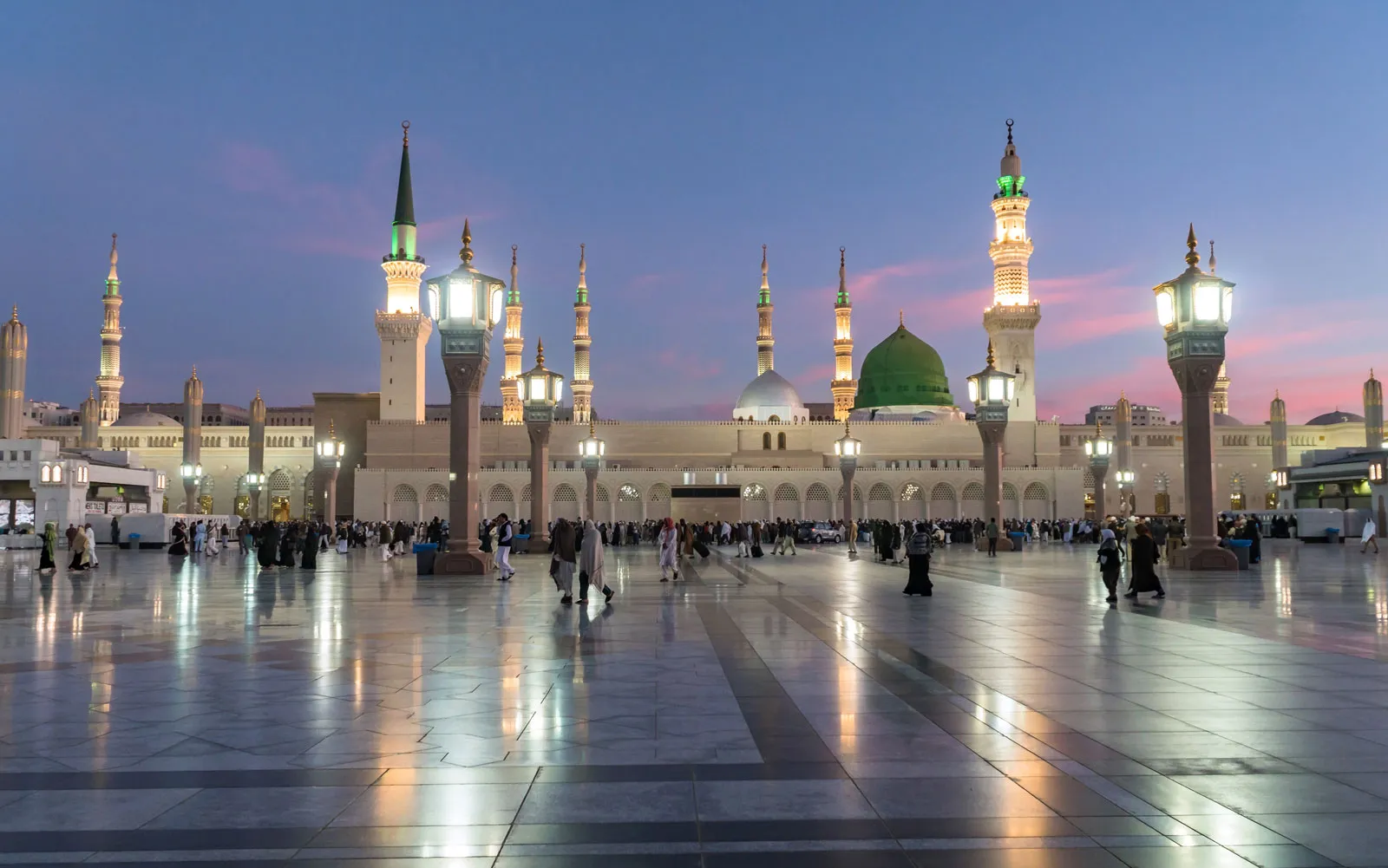
Must Visit Ziyaraath Places in Madinah
Must Visit Ziyaraath Places in Madinah in 2026 — practical, evergreen guidance from our licensed Umrah specialists, written for pilgrims booking hotels in Makkah near Haram and our hotels in Madinah near the Prophet's Mosque. Every claim in this guide is verified against current Saudi Ministry of Hajj guidance and our own operational data from thousands of completed Umrah journeys. If you're planning your trip now, jump to our all-inclusive Umrah packages or read related deep-dives in the section below. Questions? Our WhatsApp team replies in under 30 seconds, 24/7.
Madinah is a city of peace, reverence, and prophetic history. Visiting the Must Visit Ziyaraath Places in Madinah in transforms your Umrah into a journey of spiritual depth and historical connection. These sacred sites—each tied to the life of the Prophet Muhammad (صلى الله عليه وسلم), his family, and companions—offer pilgrims a chance to reflect, renew, and reconnect with the essence of Islam.
Quick overview
Must Visit Ziyaraath Places in Madinah in 2026: quick overview
Madinah is a city of peace, reverence, and prophetic history. Visiting the Must Visit Ziyaraath Places in Madinah in transforms your Umrah into a journey of spiritual depth and historical connection. These sacred sites—each tied to the life of the Prophet Muhammad (صلى الله عليه وسلم), his family, and companions—offer pilgrims a chance to reflect, renew, and reconnect with the essence of Islam.
- Jannat al-Baqi is beside Masjid al-Nabawi and deeply moving.
- Masjid Quba offers unique reward for praying two rak’ahs.
- Mount Uhud is emotional—steep, busy, and humbling.
- Seven Mosques are smaller than expected; plan time wisely.
- Logistics matter—group transport beats walking between distant sites.
- 🛡️ Licensed Travel Agency
- ⭐ 5-Star Rated Service
- 🏆 Best Umrah Service
- ✅ Verified Information
Key Takeaways
- Jannat al-Baqi is beside Masjid al-Nabawi and deeply moving.
- Masjid Quba offers unique reward for praying two rak’ahs.
- Mount Uhud is emotional—steep, busy, and humbling.
- Seven Mosques are smaller than expected; plan time wisely.
- Logistics matter—group transport beats walking between distant sites.
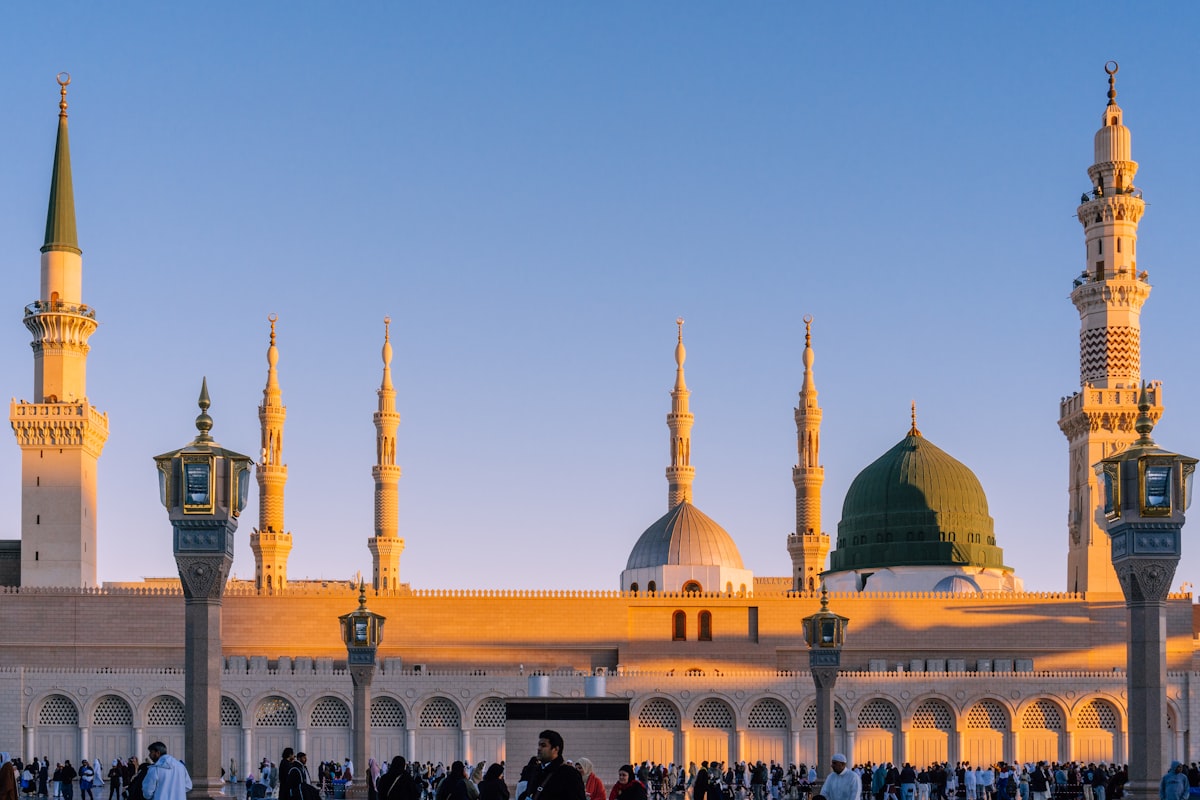
The must-visit ziyaraath places in Madinah are Jannat al-Baqi, Masjid Quba, Masjid al-Qiblatain, Mount Uhud, and the Khandaq area. These sites help you understand the Prophet’s life, his companions, and the early Muslim community.
I’ve organised these visits for families, elderly pilgrims, and groups with young children. The main lesson is simple: don’t treat ziyaraath like a race between photo stops. Give yourself time to pray, make dua, and understand what happened at each place.
Eight important stops are covered below, along with honest travel advice. Some places look close on a map but feel much farther in the heat. A walk that seems easy can become tiring with a pram, an elderly parent, or a large group.
When can you visit Jannat al-Baqi?
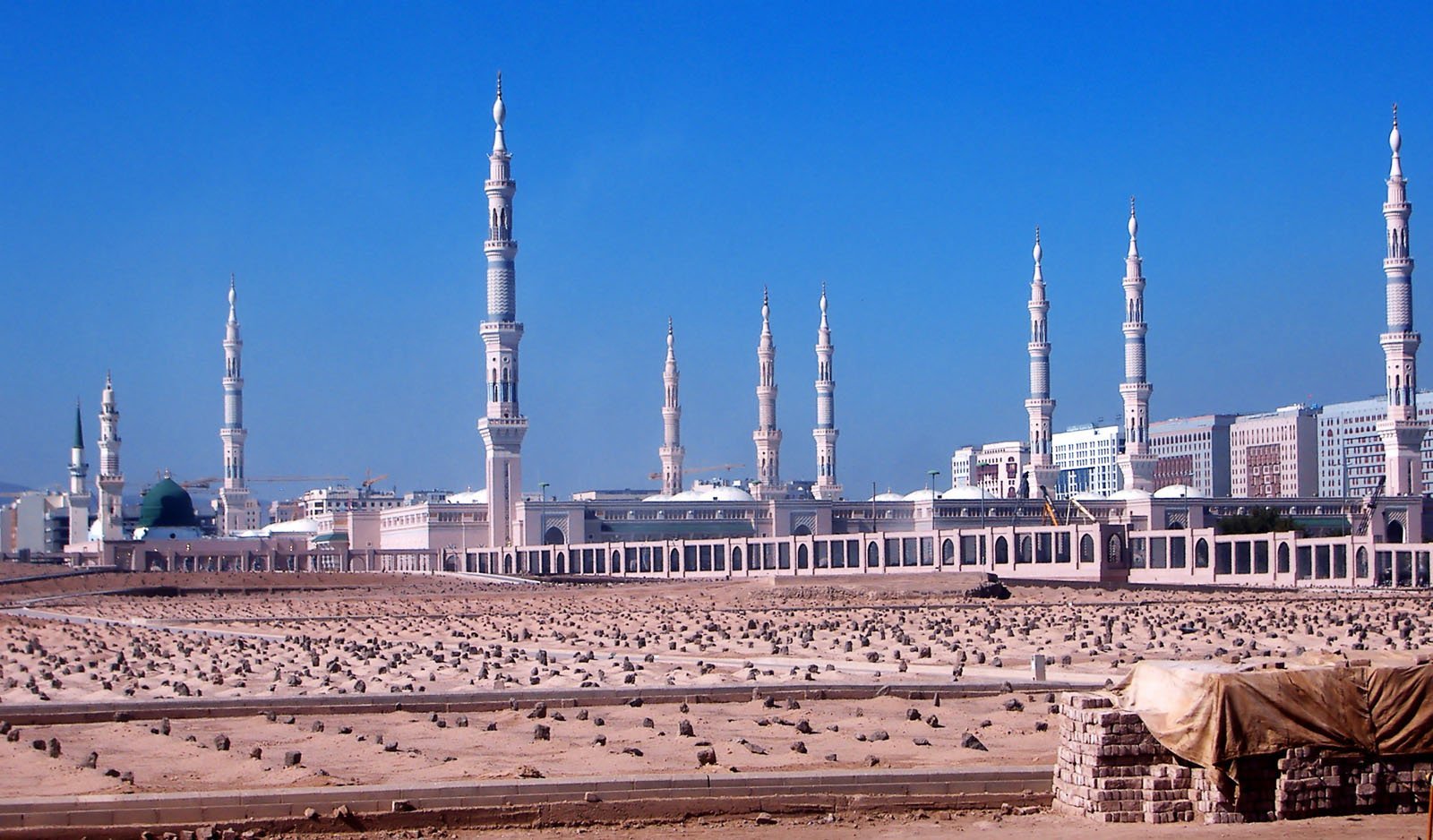
Jannat al-Baqi is beside Masjid al-Nabawi, near the eastern side of the mosque. It is Madinah’s best-known burial ground. Many Sahaba, members of the Prophet’s family, and other companions are buried here.
Men can usually enter at set times after Fajr and Asr. Entry times may change, so check locally before you go. Women don’t enter the cemetery, but they can remain outside near the perimeter.
The morning queue may look long, but it often moves quickly. Guards keep people moving, so you may not have much time inside. We usually tell families to visit after Fajr and keep their dua short, quiet, and sincere.
Don’t take photographs inside or raise your voice. If entry isn’t possible, stand respectfully near the outside wall. The area near Bab Jibril can feel especially peaceful after a busy prayer.
This is where people sometimes get it wrong. They focus so much on entering that they become upset by the queue. The purpose is remembrance and humility, whether you are inside or outside.
What happened at Masjid al-Qiblatain?
Masjid al-Qiblatain marks the change in the direction of prayer. Muslims had faced Jerusalem, then the Qibla changed towards the Ka’bah in Makkah. The mosque is therefore known as the Mosque of the Two Qiblas.
Inside, look for the parts linked with the two prayer directions. The visit is usually calm, although tour buses can arrive together. Around 20 minutes is enough for most families to pray and look around.
The site gives a clear lesson about obedience and unity. The community changed direction when Allah commanded it. Explain this simply to children before entering, as it helps them understand why the place matters.
Bring water during hot weather, even for a short visit. Traffic can become slow when several groups arrive at once. Don’t plan it too close to your next prayer at Masjid al-Nabawi.
People often treat this as an easy trip after Maghrib. That can go wrong if traffic builds or access changes. Leave a little spare time and ask your driver where they’ll wait.
How should you visit Masjid Quba?
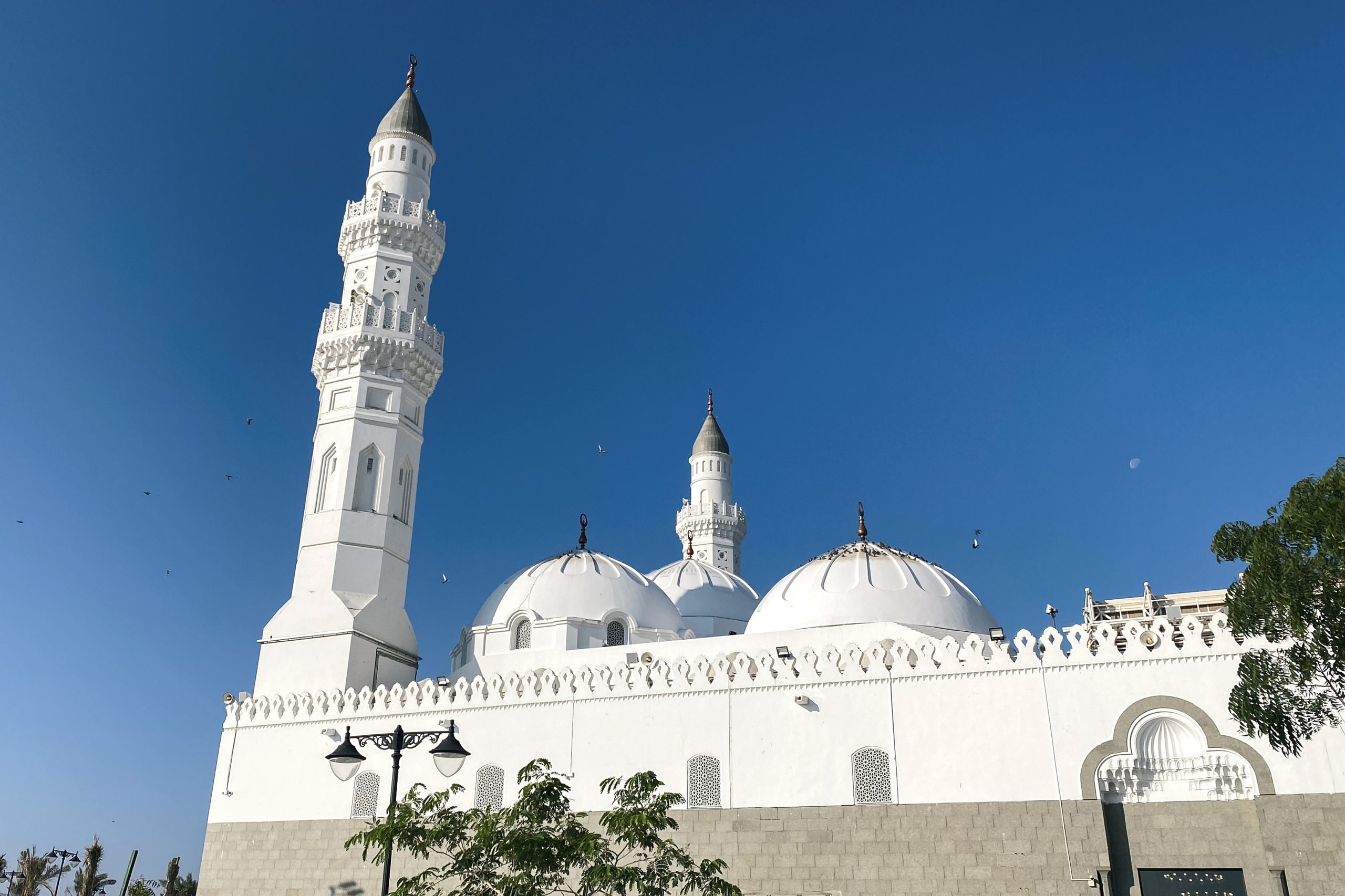
Masjid Quba was built by the Prophet (ﷺ) after he arrived in Madinah. It is known as the first mosque in Islam. Many pilgrims come to pray two rak’ahs here, following the well-known virtue connected with this prayer.
The drive from central Madinah usually takes about 10 to 15 minutes in normal traffic. Some pilgrims walk, particularly early in the morning. Allow around 45 minutes each way and carry water.
Don’t attempt the walk in strong midday heat. In our experience, even a straightforward route feels long with children or a pram. A taxi is the better choice for elderly pilgrims and anyone with limited energy.
The mosque has a spacious courtyard and is easier to manage than many crowded ziyaraath stops. However, weekends and the period after dawn can be busy. Shoe racks may fill quickly, so remember exactly where you leave your shoes.
Keep phones, passports, and money with you. Nearby shops sell snacks, clothing, and abayas, though prices may be higher than in central Madinah. Agree on a meeting point before anyone goes shopping.
What will you find at Mount Uhud?
Jabal Uhud stands on the northern side of Madinah. Its long reddish ridge is visible before you reach the main visiting area. This was the setting of the Battle of Uhud.
Pilgrims usually stop near the cemetery at the mountain’s base. Hamzah (RA), the Prophet’s uncle, is buried here with other martyrs. The atmosphere can be emotional, so allow a quiet moment for reflection and dua.
The ground near the main area can be sandy, uneven, and crowded. Buses often arrive in the middle of the morning and before Dhuhr. Older visitors and people with knee trouble should walk slowly.
There is little shade in some parts of the site. Avoid the hottest part of the day if possible. Keep children close because they can quickly disappear behind a large group.
You don’t need to climb the mountain to benefit from the visit. In fact, most groups stay near the base. The lesson here is about courage, obedience, loss, and patience.
Should you walk across the Uhud battlefield?
The battlefield lies beside Jabal Uhud. It is open ground rather than a formal visitor attraction. Simple signs and guides may help you understand where important events took place.
Try to see the archers’ hill. The result of the battle changed after some archers left their assigned position. Standing there makes the account easier to understand, especially for school-aged children.
You don’t have to cross the whole field. A short, thoughtful walk is enough for most people. Read about the battle before arriving, or ask your guide to explain it without turning the stop into a long lecture.
There is limited shelter from sun or rain. Carry water and keep valuables close in crowded areas. If someone is already tired, let them remain near the vehicle rather than pushing them across rough ground.
Can you visit all Seven Mosques quickly?
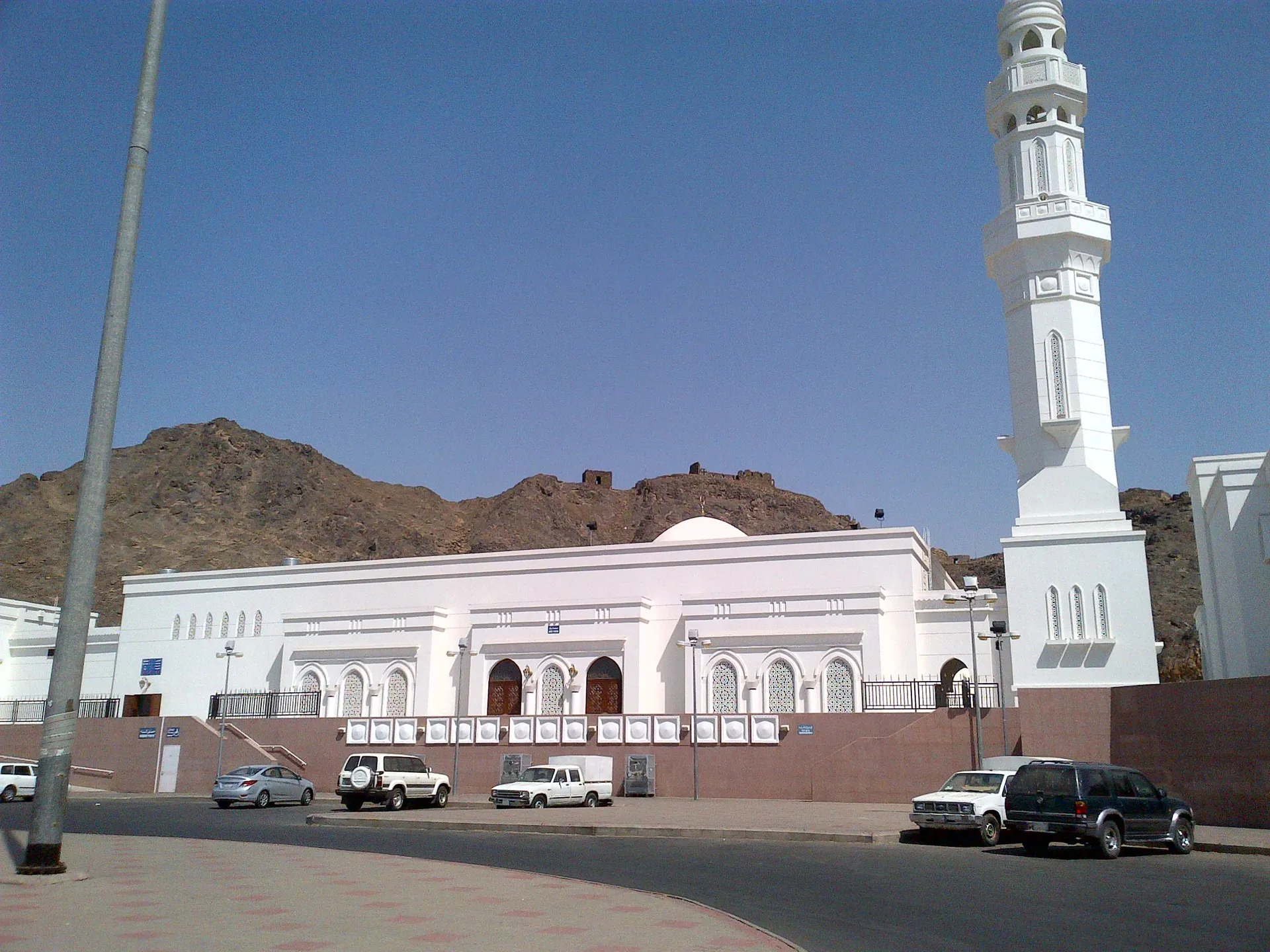
The Seven Mosques are a group of small historic masjids near the Battle of the Trench site. Visitors sometimes expect seven grand buildings. What they find is a simpler group of sites linked with guarding and prayer.
Most groups come by car, minibus, or coach. Parking can be difficult, especially near Jumu’ah. Ask your driver to name the exact collection point because vehicles may have to move.
If your group has limited time, focus on Masjid Al-Fath. It is the most prominent stop and generally the easiest to reach. The other small mosques are within walking distance, but signs aren’t always clear.
The paths can be dusty and uneven. Closed shoes are more comfortable than loose sandals. A wheelchair or pram may need help on slopes and crowded sections.
Trying to rush every mosque in less than half an hour is a common mistake. You may reach them, but understand very little. Visit fewer places if that allows your family to stay calm and attentive.
Why stop at the Khandaq site?
Khandaq means trench. The historic trench ran across the northern side of Madinah and formed part of the city’s defence. Only subtle signs in the land remain today.
This isn’t a place to expect grand architecture. Its value comes from understanding the planning, effort, and trust shown by the early Muslim community. Walk a short section or sit quietly and consider the scene.
Children often understand this stop when the story is kept simple. Explain how people worked together to protect Madinah. Focus on teamwork, careful planning, patience, and trust in Allah.
Early morning is usually more comfortable. Several buses may arrive together later in the day, making the area feel rushed. Shade can be limited, so carry hats and enough water.
Public transport may not take you directly to the useful stopping points. A private car or group van is easier. It also gives you somewhere to keep water, snacks, and items needed by older relatives.
Is Jabal al-Thawr part of Madinah ziyaraath?
Jabal al-Thawr is mainly connected with Makkah, not Madinah. It sometimes appears in wider itineraries covering the full Hijrah story. Make sure your group understands the location before planning any detour.
The mountain contains the cave where the Prophet (ﷺ) and Abu Bakr (RA) hid during the migration. For many pilgrims, seeing the mountain from the base is enough. You don’t need to climb to reflect on their faith and patience.
The climb is steep, rocky, and physically demanding. It isn’t suitable for small children, older travellers, or people with health or mobility problems. This is where many visitors underestimate the effort.
If you decide to climb, start around first light and wear strong shoes. Carry plenty of water and check whether local guides are available. Don’t feel pressured to reach the cave or prove anything to your group.
Safety comes before completing a personal checklist. Turning back is sensible if the heat rises or anyone feels unwell. The spiritual lesson isn’t limited to reaching the summit.
How should you plan your ziyaraath route?
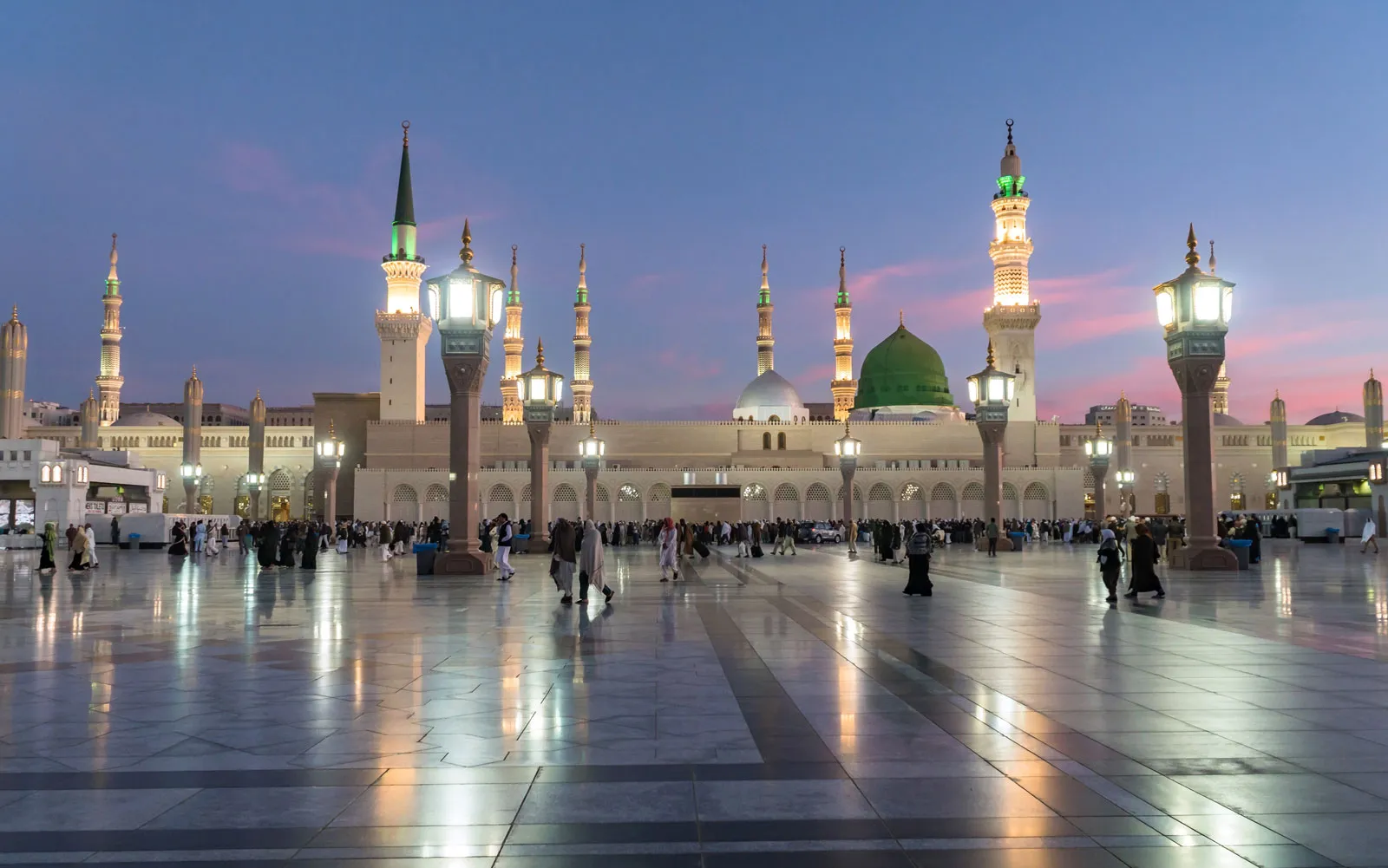
A good Madinah route should feel like one connected story. It shouldn’t feel like a race from one car park to another. Start early, keep the number of stops realistic, and protect your main prayer times.
Masjid Quba and Masjid al-Qiblatain are manageable by taxi. Mount Uhud, Khandaq, and the Seven Mosques are easier with a hired vehicle. A van is often best for families, elders, prams, or several pieces of luggage.
For accommodation or transfers, Umrah hotel booking is used by many groups we’ve organised. Vehicle choices may include cars, minibuses, and larger coaches. Confirm the correct size before paying, especially if you have large suitcases.
Driver details are often shared the day before travel. Confirm again on the morning of the trip. Save the driver’s number on two phones in case one battery dies or your group becomes separated.
Allow more time than the map suggests. Prayer traffic, road closures, toilet stops, and slow walkers can change the whole plan. Agree on a meeting place at every stop before leaving the vehicle.
We usually tell families to keep water, hats, tissues, and small snacks in one easy-to-reach bag. Don’t bury essential medicine under everyone’s luggage. Keep a small shoe bag handy for mosque visits.
If tiredness builds, miss a stop rather than exhausting the whole group. A calm visit to five places is better than a rushed visit to eight. Ziyaraath is about sincerity and understanding, not collecting photographs.
Also read:
When you’re ready to arrange your stay, you can compare Madinah hotels near the Prophet’s Mosque. Check the walking route as well as the stated distance, particularly if you’re travelling with elders or children.
You Might Also Like
Akhil Shariff ✓
Umrah Specialist with 10+ years experience
Akhil Shariff is an Umrah specialist with over 10 years of experience arranging hotels, transfers and ziyarath for pilgrims travelling to Makkah and Madinah. He works with hotel partners on the ground in both cities and reviews every guide against what pilgrims actually report back.
🏆 Verified Expert
Frequently Asked Questions About Must Visit Ziyaraath Places in Madinah in 2026
- Can women enter Jannat al-Baqi cemetery during ziyaraath?
- Women cannot enter Jannat al-Baqi but may pray and reflect outside along the cemetery’s perimeter. Guards enforce entry rules strictly, and men can enter only at set times after Fajr and Asr. The atmosphere is solemn, and visitors are expected to keep respectful silence and avoid photography.
- Is it possible to visit all major ziyaraath sites in one morning?
- Visiting all major ziyaraath sites in one morning is not practical, especially with prayer schedules and unpredictable traffic. Some mosques are far apart and mid-morning crowds can slow you down. It’s better to plan extra time, especially for prayers, elderly family members, or if your group likes to pause.
- How difficult is walking to Masjid Quba from central Madinah?
- Walking to Masjid Quba takes about 45 minutes each way, which can be challenging in the heat. Most visitors prefer a short taxi ride instead. If you walk, bring water and a hat, especially early or late in the day, and stay together—weekends and early mornings get crowded.
- Is Mount Uhud safe for children and older pilgrims?
- Mount Uhud has uneven, sandy paths and real inclines, which can be tough for children or anyone with knee issues. Hold children’s hands and avoid the midday sun—shade is scarce. The burial area is busy when bus groups arrive, so it’s best to visit early and keep group members close.
- Is visiting all Seven Mosques necessary, or can I see just one?
- It’s not necessary to visit all Seven Mosques; Masjid Al-Fath is the most prominent and easiest for most groups. The other mosques are nearby but terrain can be dusty and signage isn’t always clear. Rushing all seven quickly means missing out on the unique stories and feeling at each site.
- How can I go to the Khandaq (Trench) site if there’s no public transport?
- Public transport does not reach the Khandaq site—use a private car, group van, or hotel shuttle. This makes visiting much easier, especially during the heat or if you have snacks and water to carry. The site itself offers subtle markers, making a quiet reflection stop instead of a busy crowd scene.
- Should I attempt the climb up Jabal al-Thawr during ziyaraath?
- Only consider climbing Jabal al-Thawr if you are physically fit and experienced with steep, rocky paths. Most visitors simply stand at the base and reflect rather than climb. If you try, wear sturdy shoes, bring water, and don’t feel pressured to reach the top—connection comes from effort and reflection.
- What mistakes do pilgrims make when planning Madinah ziyaraath routes?
- Many pilgrims underestimate distances, prayer timing conflicts, and midday heat. Groups sometimes try to see too much and end up tired or missing key sites. Using group transport and allowing flexible time between stops helps, so always keep spare water and snacks, especially for kids and elders.
Ready to Book Your Umrah Journey?
Compare verified hotels in Makkah and Madinah with guaranteed best prices.
Browse Hotels →