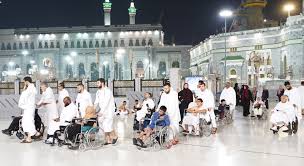
Umrah with Health Challenges: 7 Tips for a Safe and Fulfilling Journey
Umrah with Health Challenges — practical, evergreen guidance from our licensed Umrah specialists, written for pilgrims booking hotels in Makkah near Haram and our hotels in Madinah near the Prophet's Mosque. Every claim in this guide is verified against current Saudi Ministry of Hajj guidance and our own operational data from thousands of completed Umrah journeys. If you're planning your trip now, jump to our all-inclusive Umrah packages or read related deep-dives in the section below. Questions? Our WhatsApp team replies in under 30 seconds, 24/7.
Planning Umrah with health challenges? Discover 7 essential tips to ensure a safe, comfortable, and fulfilling spiritual journey to Makkah and Madinah.
Quick overview
Umrah with Health Challenges: quick overview
Planning Umrah with health challenges? Discover 7 essential tips to ensure a safe, comfortable, and fulfilling spiritual journey to Makkah and Madinah.
- Medical clearance is essential before traveling with any health challenge.
- Book hotels for accessibility, not just proximity to Haram.
- Don’t try to complete rites in one go if fatigued or unwell.
- Carry medicines in original packages with prescriptions in hand luggage.
- Wheelchair and mobility services need to be confirmed and arranged in advance.
- 🛡️ Licensed Travel Agency
- ⭐ 5-Star Rated Service
- 🏆 Best Umrah Service
- ✅ Verified Information
Key Takeaways
- Medical clearance is essential before traveling with any health challenge.
- Book hotels for accessibility, not just proximity to Haram.
- Don’t try to complete rites in one go if fatigued or unwell.
- Carry medicines in original packages with prescriptions in hand luggage.
- Wheelchair and mobility services need to be confirmed and arranged in advance.
Can you perform Umrah with a health condition?
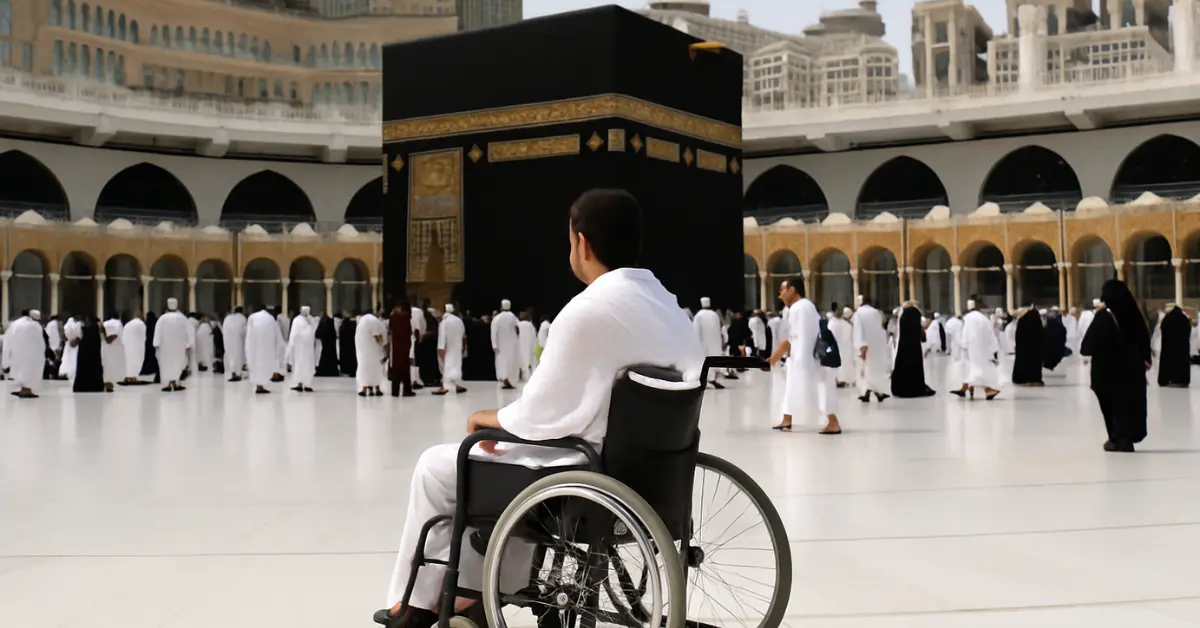
Yes, many people can perform Umrah with health challenges. The condition should be stable, and the trip must match what your body can safely manage.
The goal isn’t to keep up with younger or fitter relatives. It’s to complete the rites without turning a controlled illness into an emergency.
Travelling to Makkah takes more energy than many first-time pilgrims expect. Tawaf and Sa’i are only part of the effort. You’ll also face airport walks, security lines, busy lifts and repeated trips between your hotel and the Haram.
A hotel may be described as “a few minutes away”. That can still mean a slow 10 or 15-minute walk with stops. Heat, crowds, slopes and road crossings make 400 metres feel much longer, especially with pain or poor balance.
We usually tell families to plan around the least mobile person. Decide who will carry the medicines, push the wheelchair and stay with the pilgrim. If the group gets split up, everyone should know where to meet.
1. What should your doctor check?
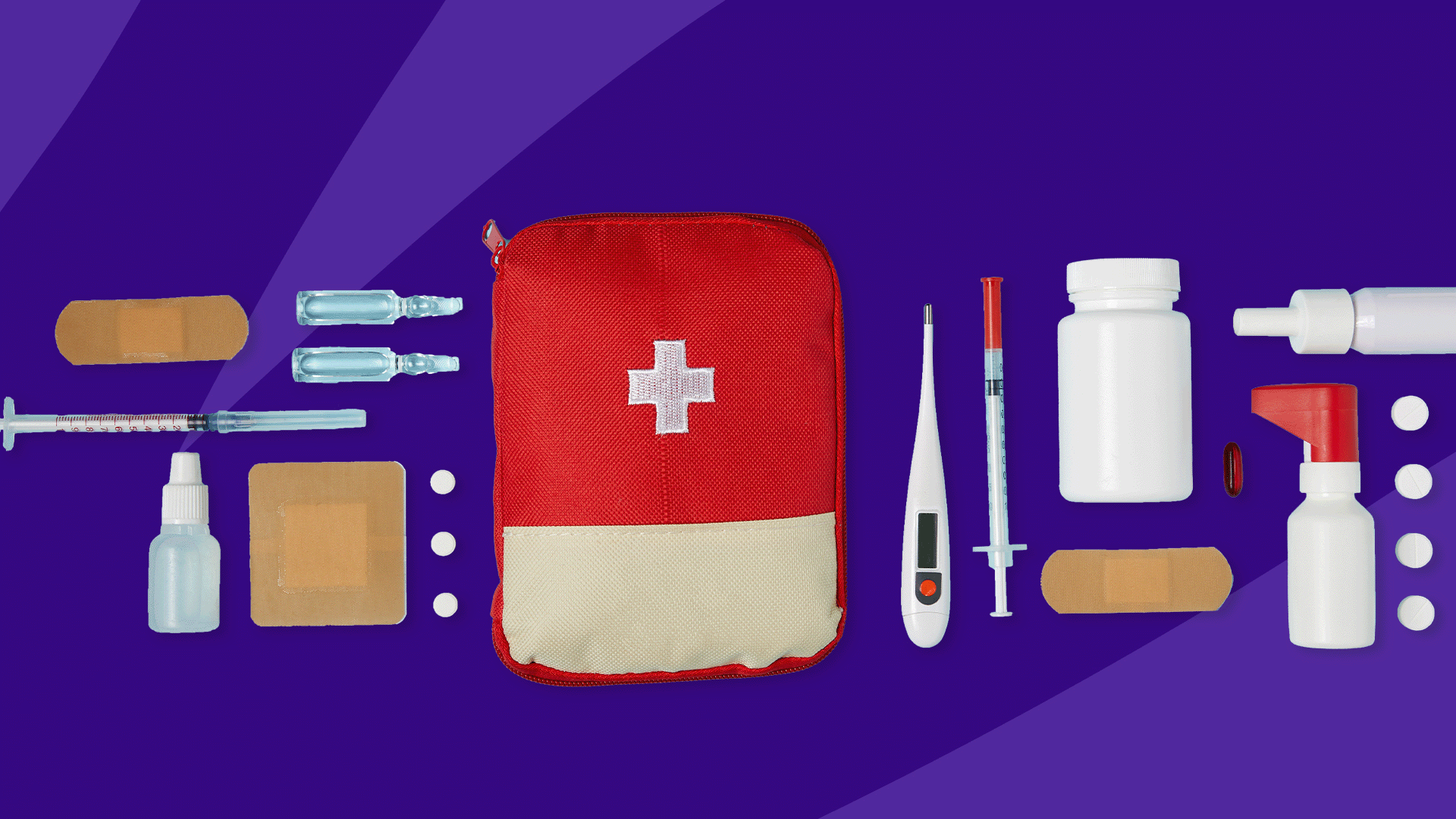
Arrange a medical review well before you leave. This matters if you have heart or lung disease, diabetes, kidney problems or severe arthritis. You should also seek advice after recent surgery or if you’ve had falls.
Ask whether you’re fit for the flight and the expected walking. Check whether any treatment needs changing. Don’t alter doses yourself because prayer, sleep and meal times will be different in Makkah.
Take enough prescription medicine for the full trip. Add a sensible extra amount in case your flight is delayed. Keep essential medicine in your hand luggage, not only in a checked suitcase.
Medicines should stay in their original labelled packets. Carry a current prescription and a short letter from your doctor. The letter should list your condition, medicines and any medical equipment you use.
If medicine needs refrigeration, ask how to carry it on the flight. You should also confirm safe storage with the hotel. A room minibar isn’t always suitable or reliable for medical storage.
Your kit may include a glucose meter, test strips, dressings, inhalers or a blood pressure monitor. Remember spare batteries where needed. Keep that day’s doses in a small bag with the patient or one named companion.
This is where people get it wrong. One relative carries every tablet, then enters another lift or prayer area. The patient is left waiting when the medicine is due.
2. How near should your hotel be?
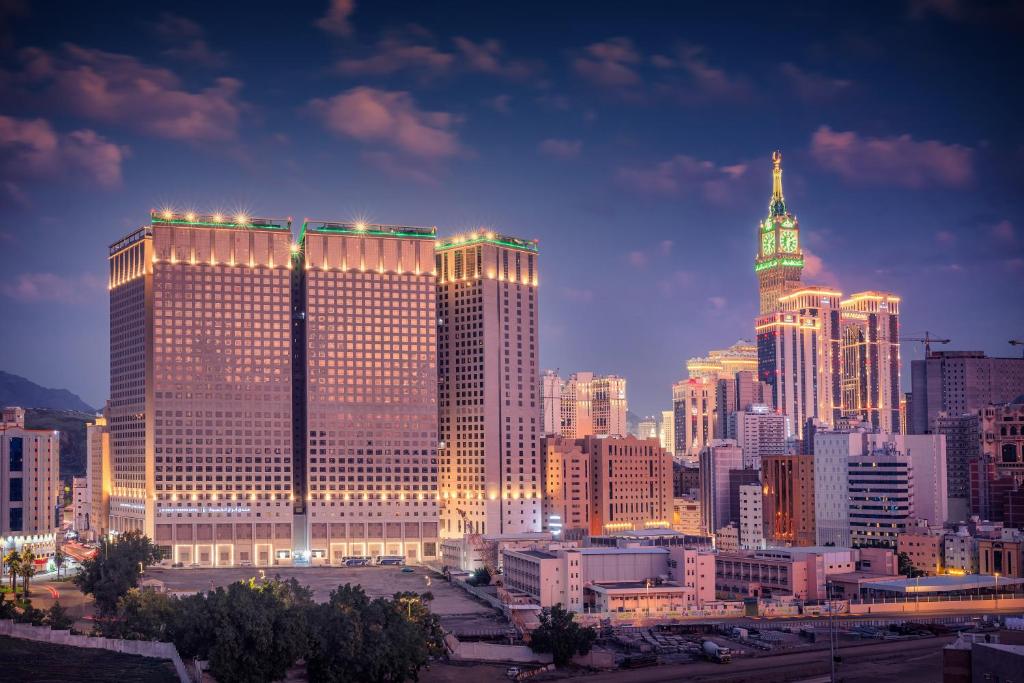
For someone with little stamina, a nearby hotel isn’t just a luxury. Its location can decide whether the pilgrim reaches the Haram comfortably. It may also reduce the recovery time needed afterwards.
Don’t trust the distance on a map by itself. Ask about slopes, steps, road crossings and the nearest usable entrance. You also need to know the actual walking route from the hotel lobby.
A short outside walk may lead to a long walk inside the mosque complex. Ramps and crowded pavements can slow you down. In our experience, a five-minute route can easily take twice as long with a wheelchair.
Reliable hotel lifts matter almost as much as distance. Before and after prayer, the queue can become packed. You may wait through several full lifts, especially when people are carrying luggage or pushing prams.
A high-floor room leaves no easy option if the lifts are busy. Ask for a wheelchair-friendly room if required. Check the shower, toilet, door width and space beside the bed.
A walk-in shower and grab rail are often more useful than a large bedroom. Ask whether the wheelchair can move from the room to the street without steps. Nearby ablution facilities and a prayer area can also save energy.
There is an honest trade-off here. The closest hotel may have awkward lifts or poor wheelchair access. Compare the whole route rather than trusting the words “near Haram”.
3. Should you do all rites at once?
No. Trying to match a fast group can quickly lead to pain, dizziness or breathlessness. Tawaf and Sa’i involve steady movement, but the effort starts before the first circuit.
You may need to find the correct entrance and pass through a heavy crowd. Reaching the right floor can also take time. Save enough energy for the rites themselves.
Choose the time of day when the pilgrim usually feels strongest. Leave plenty of time for security checks and lifts. Rushing because the group is late often causes more trouble than the delay itself.
Use a wheelchair from the beginning if seven circuits seem doubtful. Don’t wait until the pilgrim is exhausted. Moving someone into a chair is much harder inside a dense crowd.
A health problem may force a break during Tawaf or Sa’i. The ruling on how to continue can depend on the circumstances and school of thought. Ask a trusted scholar for guidance that fits your situation.
Never ignore chest discomfort, severe pain or breathing trouble just to avoid stopping. Move somewhere safe and get help. Worship shouldn’t require you to hide a dangerous symptom.
4. How should you manage food and drink?
Drink regularly, unless your doctor has told you to limit fluids. This may apply to some people with heart or kidney disease. Follow your personal medical advice rather than copying another pilgrim.
Zamzam is closely linked with the pilgrimage, but dehydration can still happen. People often wait until they feel very thirsty. Take small drinks during the day instead of a large amount all at once.
Carry a small bottle where this is allowed. It should be easy for the pilgrim to hold. A large, heavy bottle soon becomes another burden for the companion pushing the chair.
Heat, strong air conditioning and physical effort can leave you light-headed. Watch for unusual weakness, confusion, a worsening headache or very dark urine. Passing much less urine than normal can also be a warning sign.
Stop and sit somewhere safe if you feel unwell. Seek medical help if the symptoms worry you or don’t settle. Don’t label every problem as ordinary tiredness.
Regular meals matter if your medicine is linked to food or blood sugar. Carry a simple snack if it suits your medical needs. Avoid trying a rich, unfamiliar meal just before Tawaf.
Hotel buffets are another common mistake. People eat a heavy meal and leave for the Haram at once. A lighter meal, followed by a short rest, is usually more comfortable.
If you have strict dietary needs, find suitable food near the hotel early. Don’t wait until the pilgrim is tired and hungry. Keep one safe, familiar option in the room where possible.
5. Which mobility help should you arrange?
Wheelchairs, assisted pushing services and electric carts may be available for Tawaf and Sa’i. Their routes and access points depend on current Haram arrangements. Crowd controls can also change where you’re allowed to enter.
Ask at an official assistance desk instead of following passing visitors. During busy periods, you may need to queue. The wait can feel long when someone is already standing in pain, so arrive with time to spare.
If you bring a folding wheelchair, check the airline rules before departure. Label the chair clearly with the pilgrim’s name and contact details. Inspect the tyres, brakes and footrests before leaving home.
Bring any cushion or small tool the user normally needs. A thin wheelchair seat can become painful during a long outing. Request airport assistance in advance, because the walk from check-in to the gate can be substantial.
Choose one companion to control the chair. If possible, let another person handle bags, phones and directions. Don’t hang heavy shopping bags from the handles, as they can make the chair unstable.
Agree on a clear meeting place away from the main crowd. Put the hotel name and a working phone number in the pilgrim’s pocket. This simple step helps if the family becomes separated.
6. How much rest do you need?
Rest is part of a safe Umrah plan. It isn’t wasted worship time. Broken sleep, early starts and repeated walks can tire the body before you notice.
Many pilgrims feel well for the first day or two. Then the tiredness catches up with them. A planned return to the room is safer than waiting until the person can hardly walk.
Work around normal medicine and sleep times where possible. A short sleep after an early prayer may help. Don’t fill every free hour with shopping, ziyarat and social visits.
Families often want to make the most of a long journey. They arrange one activity after another. For someone with a chronic illness, this can use the strength needed for Umrah itself.
Set up the room for easy recovery. Keep water, medicine, a light snack and phone chargers within reach. Leave a clear route to the bathroom, especially at night.
Older pilgrims may feel unsteady after waking. Keep shoes, walking aids and a light close to the bed. If swelling, pain or breathlessness gets worse despite rest, seek medical advice.
7. What if the pilgrim becomes unwell?

Before leaving the hotel, know how to contact reception. Ask where you can get medical help around the Haram. Save emergency details in more than one companion’s phone.
Keep the same information on paper. Phone batteries run out, signals can drop and devices get left in rooms. Each close companion should know the pilgrim’s condition, allergies and medicines.
Carry a short medical summary, not a thick folder. Include identification, insurance details where relevant and the home doctor’s information. Add a family contact who isn’t travelling with you.
If the pilgrim uses insulin, an inhaler or emergency medicine, everyone should know where it is. Companions should only help in the way they’ve been instructed. Don’t guess how medical equipment works during an emergency.
Agree which symptoms mean you’ll seek urgent help. These include chest pain, fainting, severe breathing trouble, sudden weakness, confusion or a serious fall. These are not “wait and see” situations.
Strong faith and determination are admirable. Hiding symptoms to avoid troubling the group is not helpful. A small problem can become much harder to manage if treatment is delayed.
How can Umrah stay safe and meaningful?
Umrah with health challenges is often manageable with sensible planning. Get medical advice, choose realistic walking plans and leave time for recovery. Use a wheelchair or take longer breaks if needed.
You may also need to miss shopping or other non-essential outings. That doesn’t make your worship less sincere. Protecting the pilgrim’s health should remain the family’s shared priority.
Confirm hotel access directly before you book. book your Makkah stay with us can help you review Makkah options. However, don’t assume every nearby hotel offers the same facilities.
Check the hotel details for Makkah against the pilgrim’s exact needs. Ask clear questions about steps, lift queues, bathrooms and the route to the Haram. A direct answer is more useful than a general promise of accessibility.
Common questions about health and Umrah
1. Can someone with a chronic condition perform Umrah?
Often, yes, if the condition is stable and a doctor considers the journey safe. Some people can walk slowly with regular rests. Others should use a wheelchair from the start.
If symptoms have recently become worse, medical advice should come first. Don’t let fixed travel plans pressure someone into taking an unsafe journey.
2. Are wheelchairs available inside the Grand Mosque?
Wheelchairs and other mobility help are generally available through designated arrangements. They may be used for Tawaf and Sa’i. Routes, entrances and electric cart services can change with crowd management.
Ask official staff where to go. The nearest entrance may not accept every type of wheelchair or lead to the route you need.
3. Can Tawaf be paused for health reasons?
If a pilgrim becomes unwell, move to safety and seek help. The ruling on continuing after a pause may depend on its reason and length. Scholarly opinions can also differ.
Ask a trusted scholar about the actual situation. Don’t rely only on a general answer from another traveller.
4. Which hotel features matter for limited mobility?
Check for step-free street access, reliable lifts and an accessible bathroom. There should be enough room for a wheelchair beside the bed. Ask about the full route to the Haram entrance.
Nearby prayer and ablution facilities are helpful on difficult days. They can save the pilgrim from making another tiring journey outside.
5. How should medicines be carried during Umrah?
Keep essential medicines in hand luggage and in their original labelled packets. Bring enough for the trip and possible delays. Carry the prescription and doctor’s letter too.
During outings, one named person should hold the required doses. Phone reminders can help when routines change. Ask for medical advice about storing medicine in hot conditions.
Also Read This
Planning Umrah with Elderly Parents: A Practical Hotel & Logistics Guide
Hotels Near the Ladies’ Entrance in Madinah: Practical Options
A Complete Guide to Performing Umrah in Ramadan
Hotels Near Haram: How to Choose the Right Hotel for Umrah
When you’re ready to price a stay, you can compare Madinah hotels near the Prophet’s Mosque and see what fits your dates and budget.
You Might Also Like
Akhil Shariff ✓
Umrah Specialist with 10+ years experience
Akhil Shariff is an Umrah specialist with over 10 years of experience arranging hotels, transfers and ziyarath for pilgrims travelling to Makkah and Madinah. He works with hotel partners on the ground in both cities and reviews every guide against what pilgrims actually report back.
🏆 Verified Expert
Frequently Asked Questions About Umrah with Health Challenges
- What should I ask my doctor before booking Umrah if I have a chronic condition?
- You should ask if you are fit for the flight and walking required, and whether any medications or treatment need to be adjusted for travel. Bring enough medicine for delays, keep everything in its original packaging, and carry a doctor’s letter describing your condition, prescriptions, and any needed equipment.
- How do I pick the right hotel for someone who struggles to walk far?
- Don’t just look at map distance—check for step-free access, reliable lifts, bathroom layout, and the route from lobby to Haram. Proximity is less helpful if there are inconvenient slopes or internal walks, and accessible bathrooms and nearby prayer spaces make a big daily difference.
- Should we attempt to complete Tawaf and Sa’i without taking breaks if someone gets tired?
- It’s safer not to push through fatigue. Plan rites for the time of day when the pilgrim feels strongest and use a wheelchair if seven circuits are doubtful. If the person becomes unwell, prioritise safety and seek religious advice about resuming. Don’t ignore warning symptoms just to avoid interruptions.
- What’s the best way to manage medicines during the pilgrimage?
- Keep essential medicines in your hand luggage with original labels, a prescription, and a doctor’s letter. One named person should carry the day’s doses, and use phone reminders for changed routines. Check in advance how to store medicines needing refrigeration, as hotel minibars may not be reliable.
- Are wheelchairs and mobility services available inside the Grand Mosque?
- Wheelchairs and assisted pushing services are generally available for Tawaf and Sa’i, depending on current arrangements and crowd controls. Always check at official desks for the latest routes and access points rather than relying on other visitors, as these arrangements can change during busy times.
- How should we prepare if the pilgrim might need urgent help?
- Know how to contact hotel reception and seek medical help near the Haram. Save emergency contacts in more than one phone and carry them on paper. Each companion should know the pilgrim’s diagnosis, allergies, medicines, and emergency signs. If there are severe symptoms, seek professional help without waiting.
- Is it necessary to plan rest breaks during Umrah, or can we fit in extra activities between rites?
- Rest breaks are essential, not optional. Broken sleep, walking, and crowds cause fatigue to accumulate, especially with health issues. Prioritise scheduled room returns and don’t fill every gap with shopping or visits—overloading the timetable can drain the energy needed for the main acts of worship.
- Can Tawaf or Sa’i be paused if someone feels sick or needs the bathroom?
- If a pilgrim becomes unwell, they should move to safety and get help. Whether the rite can be resumed after a pause depends on the reason and scholarly opinion, so seek guidance from a qualified scholar based on the actual situation rather than general advice from other travellers.
Ready to Book Your Umrah Journey?
Compare verified hotels in Makkah and Madinah with guaranteed best prices.
Browse Hotels →