Ziyarat Sites in Makkah: A Quick Guide for Umrah Pilgrims
Ziyarat Sites in Makkah — practical, evergreen guidance from our licensed Umrah specialists, written for pilgrims booking hotels in Makkah near Haram and our hotels in Madinah near the Prophet's Mosque. Every claim in this guide is verified against current Saudi Ministry of Hajj guidance and our own operational data from thousands of completed Umrah journeys. If you're planning your trip now, jump to our all-inclusive Umrah packages or read related deep-dives in the section below. Questions? Our WhatsApp team replies in under 30 seconds, 24/7.
For Umrah pilgrims, an Umrah journey to Makkah, Saudi Arabia, is a sacred opportunity to connect with the divine at Masjid al-Haram, but exploring Ziyarat sites in Makkah adds profound historical and spiritual depth to the experience. These Ziyarat sites in Makkah—from the Cave of Hira to Jannat al-Mu’alla
Quick overview
Ziyarat Sites in Makkah: quick overview
For Umrah pilgrims, an Umrah journey to Makkah, Saudi Arabia, is a sacred opportunity to connect with the divine at Masjid al-Haram, but exploring Ziyarat sites in Makkah adds profound historical and spiritual depth to the experience. These Ziyarat sites in Makkah—from the Cave of Hira to Jannat al-Mu’alla
- Jabal al-Noor and Jabal al-Thawr are steep climbs, not required for Umrah.
- Jannat al-Mu’alla and Masjid al-Jinn are close to Masjid al-Haram.
- Ziyarat visits are optional, not part of Umrah rituals.
- A guided tour helps with Arafat, Mina, and Muzdalifah understanding.
- Organise visits to protect prayer times and avoid exhaustion.
- 🛡️ Licensed Travel Agency
- ⭐ 5-Star Rated Service
- 🏆 Best Umrah Service
- ✅ Verified Information
Key Takeaways
- Jabal al-Noor and Jabal al-Thawr are steep climbs, not required for Umrah.
- Jannat al-Mu’alla and Masjid al-Jinn are close to Masjid al-Haram.
- Ziyarat visits are optional, not part of Umrah rituals.
- A guided tour helps with Arafat, Mina, and Muzdalifah understanding.
- Organise visits to protect prayer times and avoid exhaustion.
The main Ziyarat sites in Makkah include Jabal al-Noor and the Cave of Hira, Jabal al-Thawr, Jannat al-Mu’alla, Masjid Aisha, Mount Arafat, Mina, Muzdalifah and several historic mosques. You do not need to visit every place during Umrah; choose according to your time, mobility and energy, while keeping your prayers at Masjid al-Haram at the centre of the trip.
Makkah is in Saudi Arabia, and its Ziyarat locations are spread well beyond the Haram area. Some are simple roadside stops. Others involve steep climbs, traffic and exposure to the sun. This is where first-time pilgrims often get it wrong: they try to cover the entire list in one rushed morning, then return exhausted for salah or Umrah. A sensible plan gives the mountain sites their own time and groups the easier locations together.
Should you climb Jabal al-Noor to reach the Cave of Hira?
Why pilgrims visit this mountain
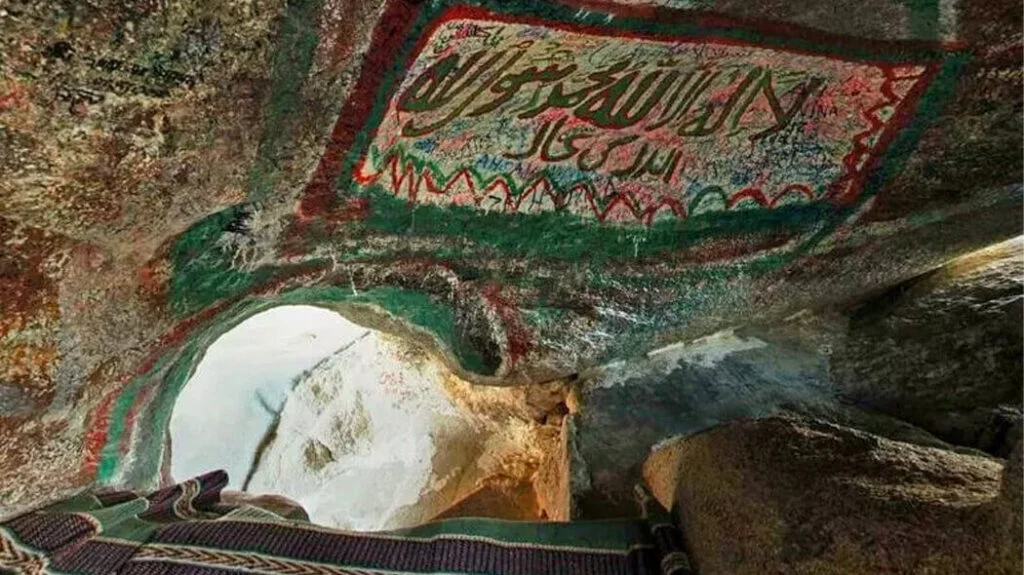
Jabal al-Noor is home to the Cave of Hira, where the Prophet Muhammad (PBUH) received the first revelation of the Quran. It is about 5 km from Masjid al-Haram and is one of the best-known Ziyarat sites in Makkah. Standing at the mountain and reflecting on that event can be meaningful even if you decide not to climb. Visiting the cave is not an Umrah ritual, and nobody should feel that their Umrah is incomplete without reaching it.
What the climb is actually like
The route is commonly described as roughly 1,200 steps, but it does not feel like an ordinary staircase. Parts are steep, uneven and narrow, particularly when people are coming down at the same time. Allow around 45–60 minutes each way if you are reasonably fit, and longer if the route is busy. Wear shoes with grip, carry water in a small backpack and leave heavy bags behind. A 5 AM start helps with heat and crowds, though conditions can still change.
We usually advise elderly pilgrims, anyone with knee or breathing problems, and families carrying babies not to attempt the full climb. There are no prizes for pushing beyond your safe limit. A taxi from a hotel near the Haram is straightforward; accommodation can be checked through book your Makkah stay with us, but choose your hotel for prayer access rather than Ziyarat alone.
Is the climb to Jabal al-Thawr suitable for your group?
What happened at the cave
Jabal al-Thawr contains the cave where the Prophet Muhammad (PBUH) and Abu Bakr (RA) took refuge during the Hijrah. The mountain lies about 8 km from Masjid al-Haram. Its story carries powerful lessons about trust, companionship and patience, but, as with Hira, the physical climb is separate from the rites of Umrah.
How much time and effort to allow
This is a demanding ascent. Allow approximately 1–1.5 hours to reach the cave, depending on fitness, weather and congestion, plus the descent and transport time. Take more water than you think you need, a sun covering and a charged phone. Proper walking shoes matter; hotel slippers do not.
A one-way taxi from the Haram area has been quoted at $8–12, while group transport may be around $4–6 per person. Treat these only as rough local rates because traffic, demand and negotiation affect the fare. Agree on the amount before setting off and make clear whether the driver will wait. Leaving before Fajr can reduce heat, but do not put yourself on a dark mountain path without suitable company and lighting.
When is the easiest time to visit Jannat al-Mu’alla?
Why the cemetery matters
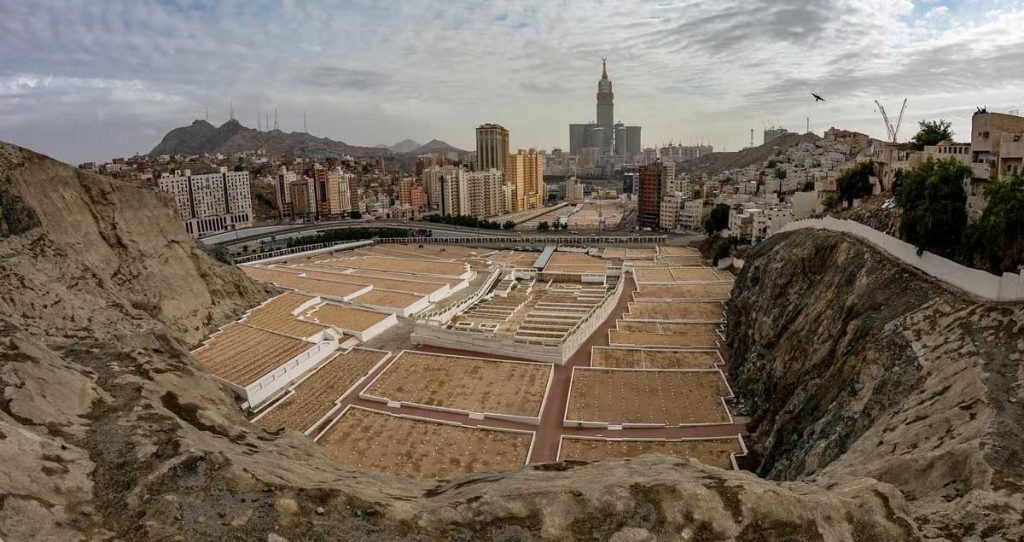
Jannat al-Mu’alla is a historic cemetery about 2 km from Masjid al-Haram. Many relatives of the Prophet (PBUH), including Khadijah (RA), are buried there. Pilgrims visit to remember the Hereafter and make the prescribed supplications for the deceased. Keep the visit quiet and respectful, follow the directions at the entrance and be aware that access arrangements may differ for men and women.
Walking, taxis and timing
From the Haram, the journey may be around five minutes by taxi or roughly 20 minutes on foot. Taxi fares have been quoted at $2–4, although short journeys can cost more in busy periods. The walk is manageable for many people, but pavements, road crossings and heat make it harder than the distance suggests. After Fajr or later in the afternoon is generally more comfortable. Carry water and pin the return point on your phone rather than relying on memory.
Do you need Masjid Aisha for another Umrah?
What Masjid Taneem is used for
Masjid Aisha, also called Masjid Taneem, is around 7 km from Masjid al-Haram. A person already staying within the Haram boundary may travel there to enter Ihram before performing an additional Umrah. It is therefore more of a practical miqat stop than an ordinary sightseeing visit. Before arranging repeated Umrahs, ask a trusted scholar about the ruling relevant to your circumstances and do not let extra trips leave you too tired for obligatory prayers.
What to expect at the mosque
Taxis have been quoted at $6–9, with shared vans around $1–2. Confirm where the van will drop you and keep small notes available. The mosque can become busy, so bring your Ihram garments, sandals bag and any toiletries you need rather than expecting a private changing area. If travelling after Dhuhr or Maghrib, allow for traffic back to the Haram and agree on a meeting point that everyone in the family can recognise.
Is Mount Arafat worth visiting outside Hajj?
Why Arafat carries such weight
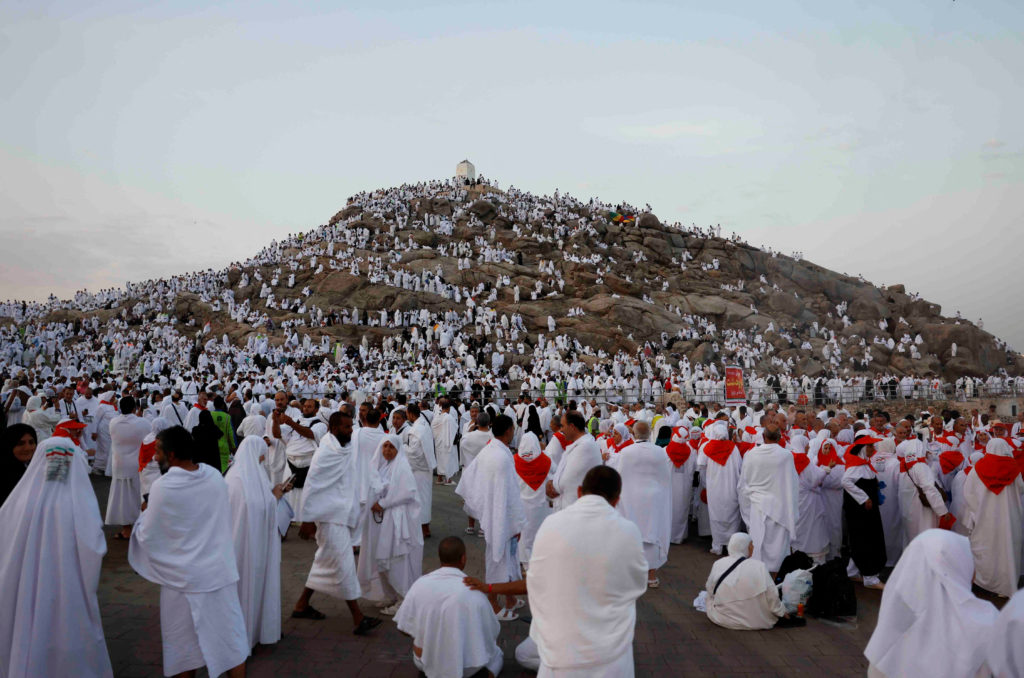
Mount Arafat, including Jabal al-Rahmah, is associated with the standing at Arafat during Hajj. It is around 20 km from Masjid al-Haram and can still be visited by Umrah pilgrims for reflection and supplication. Visiting outside Hajj does not carry the same ritual status as being present there on the Day of Arafah, so approach it as a historical visit rather than recreating a Hajj rite.
How to arrange the journey
The drive may take about 30 minutes in lighter traffic. A taxi has been quoted at $12–18, while group tours may charge around $5–8 per person. Early morning is more comfortable because the open area offers little relief from heat. A hat, water and easy footwear are useful. Climbing structures or forcing your way into a crowded spot adds nothing to the visit; supplication can be made calmly from a safe place.
Should Mina and Muzdalifah be visited on the same trip?
What you are looking at outside Hajj
Mina and Muzdalifah lie roughly 8–12 km from Masjid al-Haram and are central to Hajj. Mina is associated with the Jamarat, while Muzdalifah is where Hajj pilgrims stay after leaving Arafat. Outside Hajj, these places can help an Umrah pilgrim understand the geography and sequence of the pilgrimage, though some areas or roads may be restricted.
Why a driver or guide can help
These sites make more sense when someone explains what you are seeing. Taxi costs have been quoted at $9–14, and organised tours at $6–10 per person. Ask whether Arafat, Mina and Muzdalifah are all included, how long stops last and whether the commentary is in a language your group understands. A post-Fajr departure can allow a return by Dhuhr, but traffic can upset that plan. Never schedule the return so tightly that one road delay causes panic.
Can Masjid al-Jinn be combined with Jannat al-Mu’alla?
Why Masjid al-Jinn is remembered
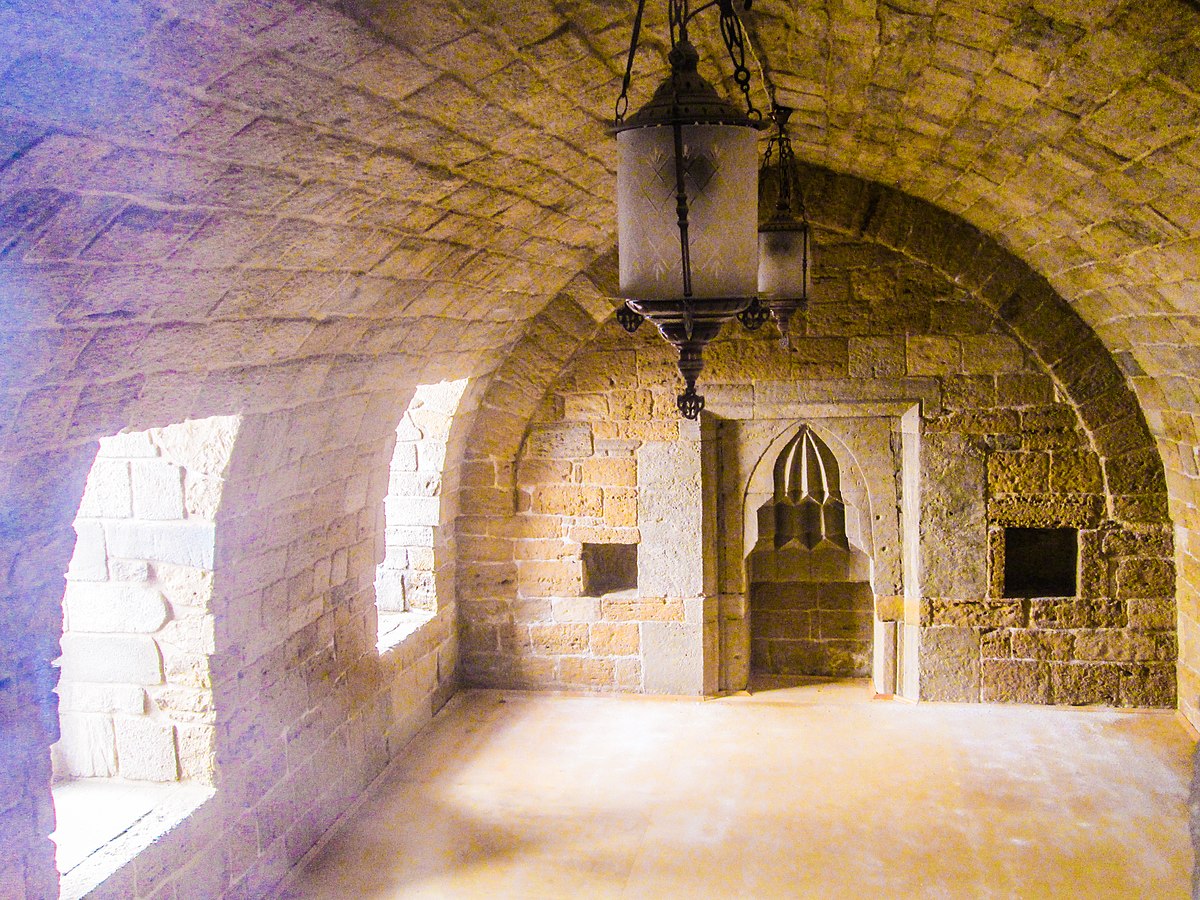
Masjid al-Jinn is associated with the Prophet Muhammad (PBUH) reciting the Quran to the jinn. It is about 3 km from Masjid al-Haram and is often included with Jannat al-Mu’alla because the two stops are in the same general direction. This pairing is far more sensible than crossing the city repeatedly.
How to make the visit manageable
The mosque may be around five minutes away by taxi or about 25 minutes on foot, with fares previously quoted at $3–5. Walking time varies sharply with your starting gate, road crossings and crowd levels. Visit for salah if the mosque is open and space permits, but do not block entrances while taking photographs. After Asr can be practical; after Isha, families should arrange their return transport rather than assuming an empty taxi will be waiting.
Is Masjid al-Bayah worth adding to the route?
The pledge associated with the site
Masjid al-Bayah marks the place associated with the pledge of allegiance given to the Prophet Muhammad (PBUH) by the Ansar. About 4 km from Masjid al-Haram, it is less familiar to many pilgrims and may be viewed only briefly, depending on current access. Its value lies in understanding the pledge and the support offered by the people of Madinah, not in spending a fixed amount of time there.
Transport and access
A taxi has been quoted at $4–6, with shared vans around $1–2. In practice, a driver may not know the English name, so keep the Arabic location saved on your map. Ask before leaving whether the building can be approached. Combining this stop with Mina may be more efficient than making a separate journey. Fajr or Maghrib can work, but opening and access conditions should guide you.
What should you know before seeking Masjid al-Shajarah?
Its historical connection
Masjid al-Shajarah, around 6 km from Masjid al-Haram, is linked in local Ziyarat itineraries with events from the Prophet’s travels. Names and map listings for smaller historic mosques are not always consistent, which is precisely why people sometimes arrive at the wrong location. Verify the site with a knowledgeable local guide before paying for a dedicated trip.
When a combined tour makes more sense
A taxi has been quoted at $5–8, while a group visit may cost around $2–4 per person. The latter is often more useful because the explanation matters more than the length of the stop. If visiting after Dhuhr, leave enough margin for the next prayer at Masjid al-Haram. Do not assume a driver will wait unless that has been agreed clearly.
How should you build a realistic Makkah Ziyarat plan?
Start by separating easy visits from physically demanding ones. Jannat al-Mu’alla and Masjid al-Jinn can usually be paired in one outing. Arafat, Mina and Muzdalifah fit naturally into another. Jabal al-Noor and Jabal al-Thawr should be treated as separate climbs, not squeezed into a city tour.
Protect your prayer times. After Fajr is useful for outdoor sites because the air is cooler, while the period after Asr may suit shorter locations near the Haram. Write down your hotel name and pin its entrance; large hotels often have several doors, and “meet in the lobby” is not enough when lifts are crowded. With a pram, an elderly parent or a wheelchair, even a 400-metre return can feel long after a full morning.
Carry a small bottle of water, unscented tissues if you are in Ihram, basic medication, a power bank and a light shoe bag. Keep luggage out of the vehicle unless you are changing hotels. For group tours, photograph the minibus number and save the driver’s phone details. Agree on the waiting rule before everyone disperses.
Most importantly, leave room to rest. Ziyarat should deepen your understanding of Makkah’s sacred history, not turn the trip into a checklist. Site access, road conditions and mosque arrangements can change, so follow local instructions and accept that occasionally a planned stop will not be possible.
What matters most after the visits?
The most valuable Ziyarat itinerary is not necessarily the longest one. The Cave of Hira, Jabal al-Thawr, Jannat al-Mu’alla and the Hajj sites each give context to events many pilgrims have known only from books. Visit with respect, avoid attaching invented rituals to a location, and conserve enough strength for salah and the rites of Umrah. Good planning makes the day calmer; knowing when to skip a climb is part of good planning too.
FAQs
1. Which Ziyarat sites should a first-time pilgrim prioritise?
Jannat al-Mu’alla, Masjid al-Jinn and a guided circuit of Arafat, Mina and Muzdalifah are practical choices. Add Hira or Thawr only if your fitness and schedule allow.
2. Can all the main sites be covered in one day?
They can be driven past quickly, but that makes for a tiring and shallow visit. Split the mountain climbs from the city and Hajj sites.
3. Which locations are closest to Masjid al-Haram?
Jannat al-Mu’alla and Masjid al-Jinn are among the nearest commonly visited sites, at approximately 2–3 km from Masjid al-Haram.
4. Are shared vans cheaper than taxis?
Usually. Quoted shared-van fares begin around $1–2, but routes, availability and drop-off points vary. Confirm everything before boarding.
5. Is Ziyarat part of the Umrah rites?
No. These visits can deepen a pilgrim’s understanding of Islamic history, but they are not required for a valid Umrah.
6. Why is the Cave of Hira significant?
The cave on Jabal al-Noor is associated with the first revelation of the Quran to the Prophet Muhammad (PBUH).
7. How far is Mount Arafat from the Haram?
Mount Arafat is approximately 20 km from Masjid al-Haram. Driving time depends heavily on traffic and road access.
8. Can Mina and Muzdalifah be visited outside Hajj?
They are commonly included in Ziyarat tours outside Hajj, although particular roads and areas may sometimes be restricted.
9. What is the best transport for a family?
A private taxi is usually easier with children, elderly relatives or mobility equipment. Groups may find an organised minibus more economical.
10. Does staying near the Haram help?
Yes. A shorter return makes it easier to rest between Ziyarat and prayers, though lift queues and road closures should still be allowed for.
Also Read This
Five Tips Before Planning Your Taif Ziyaraath
Ziyaraath Places to Visit in Madinah
Ziyaraath Places to Visit in Makkah
When you’re ready to price a stay, you can browse every Makkah hotel with live nightly rates and see what fits your dates and budget.
You Might Also Like
Akhil Shariff ✓
Umrah Specialist with 10+ years experience
Akhil Shariff is an Umrah specialist with over 10 years of experience arranging hotels, transfers and ziyarath for pilgrims travelling to Makkah and Madinah. He works with hotel partners on the ground in both cities and reviews every guide against what pilgrims actually report back.
🏆 Verified Expert
Frequently Asked Questions About Ziyarat Sites in Makkah
- Do I have to visit every Ziyarat site in Makkah for my Umrah to be valid?
- No, visiting Ziyarat sites is not required for a valid Umrah. Choose which places to visit based on your interests, time, and physical condition. Focusing on your prayers at Masjid al-Haram should remain your main priority during the trip.
- Is it safe for elderly or unfit pilgrims to climb Jabal al-Noor or Jabal al-Thawr?
- Climbing Jabal al-Noor or Jabal al-Thawr is challenging and not recommended for elderly people, those with knee or breathing problems, or families with small children. Reflecting at the base is meaningful even if you do not climb, and skipping the ascent does not lessen your Umrah.
- How do I visit Jannat al-Mu’alla and Masjid al-Jinn without a private car?
- Both Jannat al-Mu’alla and Masjid al-Jinn can be reached by taxi, shared van, or on foot if you are able. The walk is manageable for many but can be tiring in the heat, so visit after Fajr or later in the afternoon and carry water.
- Can I visit Mount Arafat, Mina, and Muzdalifah outside the Hajj season?
- Yes, you can visit Mount Arafat, Mina, and Muzdalifah for reflection outside Hajj. Some roads or sites may be restricted, so going with a guide or tour helps. Early morning is best to avoid heat and ensure enough prayer time at the Haram.
- What is Masjid Aisha (Taneem) mainly used for by Umrah pilgrims?
- Masjid Aisha is mainly a miqat point for those within the Haram who want to perform another Umrah. Before arranging repeated trips, check the religious ruling for your situation and ensure they do not affect your rest or regular prayers.
- How should I group Ziyarat sites if I have limited time or energy?
- Group easy, nearby sites like Jannat al-Mu’alla and Masjid al-Jinn together, and treat mountain climbs like Jabal al-Noor and Jabal al-Thawr as separate trips. Always plan around your ability to attend prayers at Masjid al-Haram and allow time to rest.
- Are shared vans cheaper or better than taxis for Ziyarat?
- Shared vans are usually cheaper but routes, availability, and drop-off points can vary or be crowded. Confirm these details before boarding, and consider a private taxi for families, elderly companions, or if you need flexibility coming back for prayers.
- What should I bring or do before starting a Ziyarat day in Makkah?
- Bring water, comfortable walking shoes, a charged phone, a light bag, and basic medication. Pin your hotel location on your phone and write it down. Agree in advance with your group about meeting points and waiting times to avoid confusion during the outing.
Ready to Book Your Umrah Journey?
Compare verified hotels in Makkah and Madinah with guaranteed best prices.
Browse Hotels →