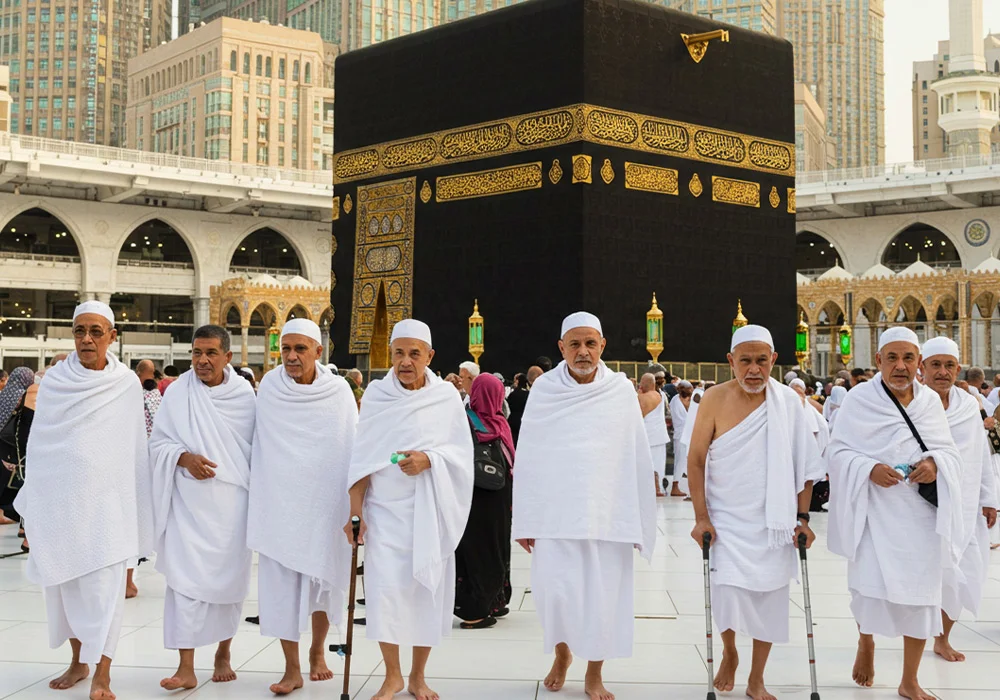
Umrah for Retirees: 7 Tips for a Relaxed and Meaningful Journey
Umrah for Retirees — practical, evergreen guidance from our licensed Umrah specialists, written for pilgrims booking hotels in Makkah near Haram and our hotels in Madinah near the Prophet's Mosque. Every claim in this guide is verified against current Saudi Ministry of Hajj guidance and our own operational data from thousands of completed Umrah journeys. If you're planning your trip now, jump to our all-inclusive Umrah packages or read related deep-dives in the section below. Questions? Our WhatsApp team replies in under 30 seconds, 24/7.
Embarking on Umrah for Retirees offers senior Umrah pilgrims a profound opportunity to connect with their faith in Makkah, Saudi Arabia, while prioritizing comfort and ease
Quick overview
Umrah for Retirees: quick overview
Embarking on Umrah for Retirees offers senior Umrah pilgrims a profound opportunity to connect with their faith in Makkah, Saudi Arabia, while prioritizing comfort and ease
- Book accessible hotels close to Masjid al-Haram.
- Perform Tawaf and Sa’i during off-peak times.
- Use electric buses for easy transport in Makkah.
- Take frequent breaks and carry a comfort kit.
- Join Indian retiree groups for support and tips.
- 🛡️ Licensed Travel Agency
- ⭐ 5-Star Rated Service
- 🏆 Best Umrah Service
- ✅ Verified Information
Key Takeaways
- Book accessible hotels close to Masjid al-Haram.
- Perform Tawaf and Sa’i during off-peak times.
- Use electric buses for easy transport in Makkah.
- Take frequent breaks and carry a comfort kit.
- Join Indian retiree groups for support and tips.
Umrah for retirees can be comfortable and deeply meaningful if you plan around your health and energy. Choose a nearby hotel, avoid the busiest hours, and give yourself plenty of time to rest.
Makkah can feel tiring even for fit travellers. Tawaf, Sa’i, long corridors, lifts, and crowded mosque gates all add to the walking. Good planning lets you focus on prayer instead of rushing from place to place.
This advice is useful for older pilgrims travelling from India and other countries. You can travel alone, with family, or with an organised group. If you have a health condition, speak to your doctor before visiting Makkah, Saudi Arabia.
1. How close should your Makkah hotel be?
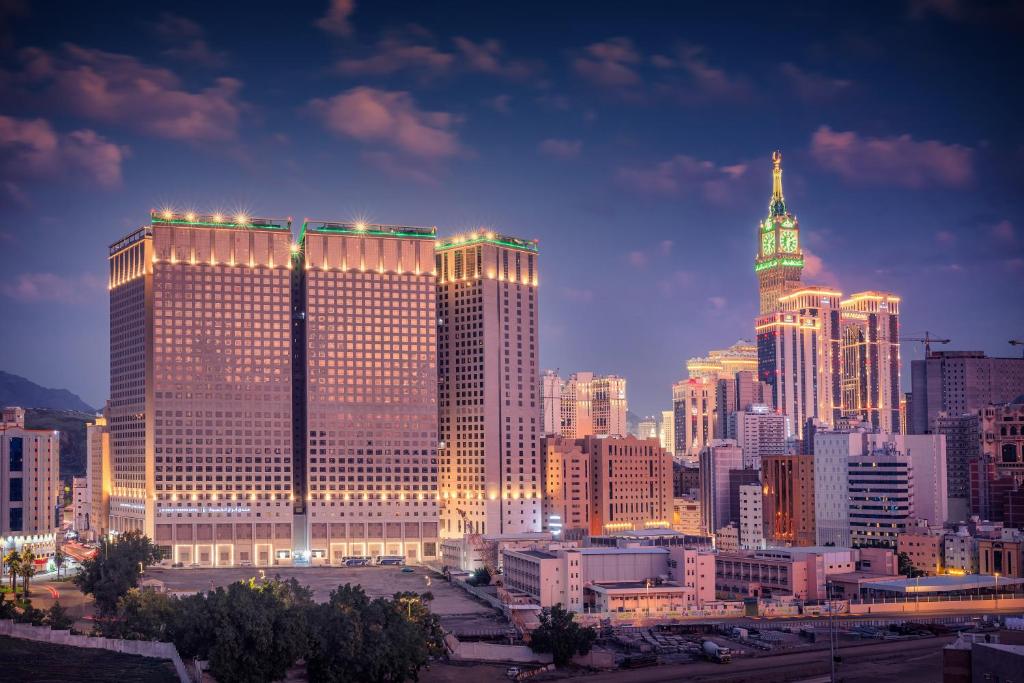
For Umrah for retirees, hotel distance matters more than hotel luxury. Look for a hotel near Masjid al-Haram with working lifts, wheelchair access, and staff available all day.
You can search on official Makkah hotel booking site. Properties such as Hilton Suites Makkah are within 300 metres of the mosque. On paper, 300 metres sounds like a short walk.
In practice, it may take an older pilgrim 8 to 12 minutes. Crowds, road crossings, security routes, and the correct mosque gate can make it longer. We usually tell families to check the walking route, not only the map distance.
Ask for a room near the lift, but not beside a noisy lift lobby. At prayer times, lift queues can feel long, especially when people have wheelchairs and luggage. Ground-floor rooms can help where they’re available.
Booking 2–3 months ahead may help you find rooms in the SAR 200–400 per night range. Prices can change with demand. Indian retirees should also check whether the reception offers round-the-clock help.
2. When should retirees perform Umrah rituals?
Try to perform Tawaf and Sa’i when the mosque is less crowded. Early morning after Fajr or later at night after Isha may be calmer. No time is guaranteed to be quiet, though.
A packed Tawaf area can feel hot and tiring. People may move close together, and it can be hard to stop safely. If the crowd looks too heavy, wait in a safe place and try later.
You may use the Al-Masjid al-Haram app to check information and help plan prayer times. App details and crowd conditions can change, so also ask mosque staff. Follow the signs and any instructions given at the gates.
This is where people often get it wrong. They choose a quiet hour but arrive already tired after shopping, travel, or a long walk. Rest first, eat something suitable, and begin only when you feel ready.
3. How often should you stop and rest?
Don’t wait until you feel exhausted. Sit down after Tawaf or Sa’i if you need to, and drink Zamzam water. Use the marked seating and rest areas without blocking walking routes.
Tawaf and Sa’i should be completed in their proper order. However, you don’t need to fill every day with extra walking and repeated visits. Spread optional prayers and other activities across your stay.
A lightweight folding chair under 1 kg may be useful where chairs are allowed. A wheelchair may be better if you can’t walk safely for long. Arrange help before entering a busy area rather than after you become unwell.
Older pilgrims sometimes try to match the pace of younger relatives. That usually ends with sore knees, breathlessness, or a lost day of rest. Your Umrah isn’t less meaningful because you move slowly.
4. How can you travel around Makkah easily?
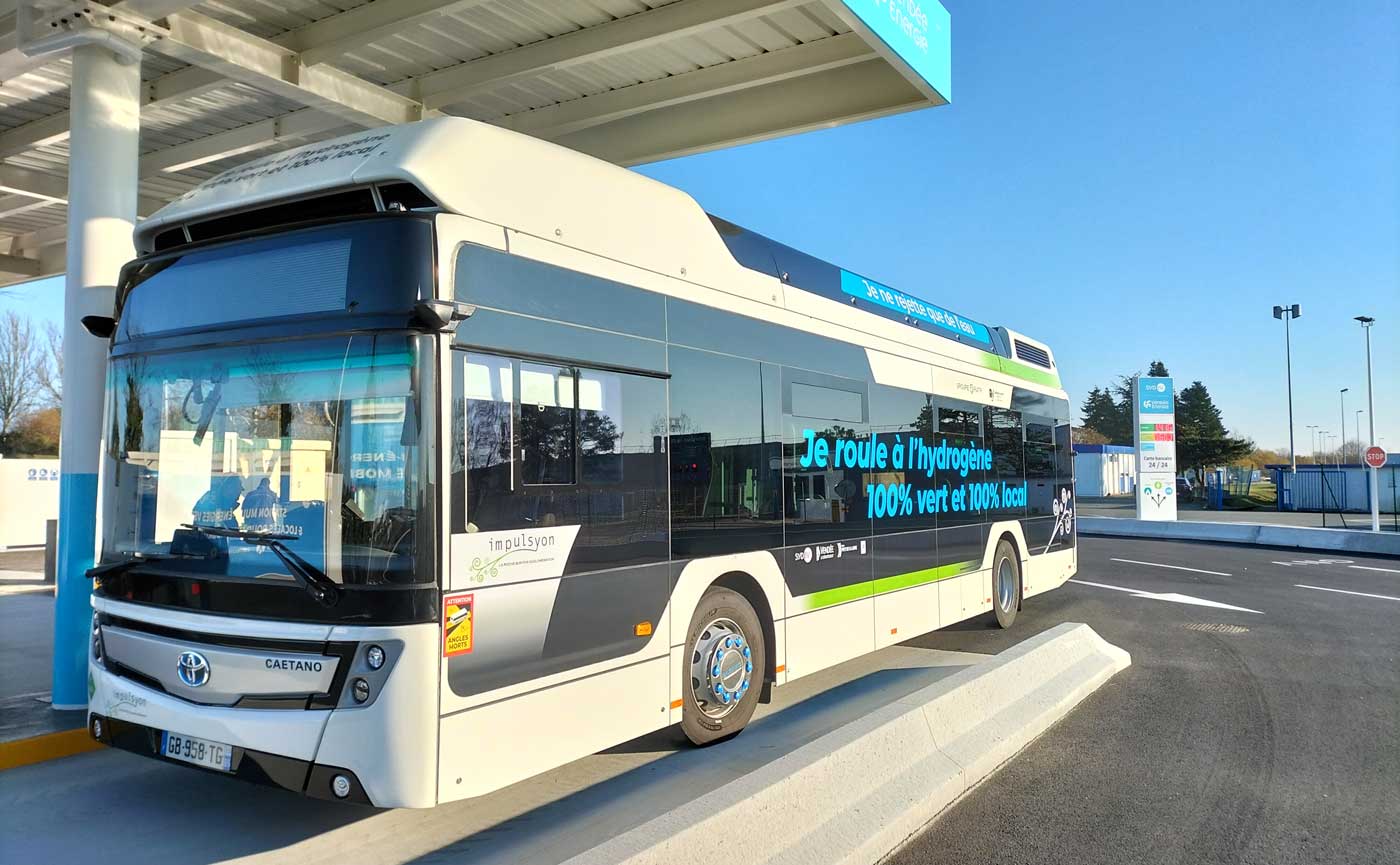
Electric buses can reduce the amount of walking in Makkah. Fares are around SAR 5–10, and the buses are air-conditioned. Routes serve important areas, including stops used by pilgrims going towards Masjid al-Haram.
The Tawakkalna app can help you check transport information and nearby stops. Ask your hotel reception to confirm the nearest stop before leaving. A stop that looks close on a map may be uphill or across a busy road.
Check whether the bus has low-entry steps if you have limited movement. Boarding can feel rushed when a queue forms, so keep your ticket or phone ready. Let the driver or another traveller know if you need extra time.
Buses save energy, but they aren’t always the quickest choice. Waiting, traffic, and walking from the final stop can take time. For a very short trip, a licensed taxi may feel easier.
5. Should you add a short Madinah visit?
A short stay in Madinah can bring peace and spiritual depth to your journey. It gives you time to pray at Al-Masjid an-Nabawi and, with a booking, visit the Rawdah.
The Haramain High-Speed Railway takes about two hours from Makkah. Fares are around SAR 75–150. Stations are large, so allow time for security, finding the platform, and handling your bags.
Don’t carry heavy luggage if you can avoid it. A wheeled case helps, but you may still need to lift it into a vehicle or storage area. Ask a companion or porter for help rather than risking a fall.
Choose a hotel close to Al-Masjid an-Nabawi through hotels in Makkah. Check which gate is nearest to your room and whether the route is level.
Rawdah visits normally require an advance slot through the relevant app. The queue can involve standing, waiting, and moving when staff direct you. Keep the visit short if you’re tired, and don’t build an overloaded schedule around it.
6. What should go in your comfort bag?
Carry a small comfort bag during your Umrah journey. Include your regular medicines, a basic first-aid kit, and a small bottle for drinking water. Keep prescriptions and medicine labels with you.
A folding chair may help if it’s light and allowed in the area. You might also carry tissues, a phone charger, and a card showing your hotel name. Write down your companion’s number in case your phone stops working.
Try to keep the bag under 1 kg. A heavy shoulder bag becomes uncomfortable during Tawaf and Sa’i. Don’t pack so much that you need to keep opening the bag in a moving crowd.
Carry medicine in your hand luggage during flights and train journeys. Don’t place all essential tablets in a checked suitcase. If a bag is delayed, replacing prescribed medicine can be difficult.
7. Should you travel with a retiree group?
A group can be helpful for Indian retirees, especially on a first Umrah trip. Pilgrims from Mumbai, Delhi, and other cities often travel or pray together. Group members can help with gates, directions, and rest areas.
Contact local mosques or Indian community centres before travelling. Ask whether the group has a leader, a clear meeting point, and support for people with limited mobility. Keep the leader’s phone number on paper as well as your phone.
There’s also a trade-off. Groups sometimes move faster than an older pilgrim can manage. Tell the leader about your walking limits before booking, and ask what happens if you need to return to the hotel early.
Always agree on a meeting place if the group gets separated. “Near the main gate” isn’t clear enough because the mosque has many gates. Use a gate number, a visible sign, or a named hotel entrance.
What else should you plan before leaving?
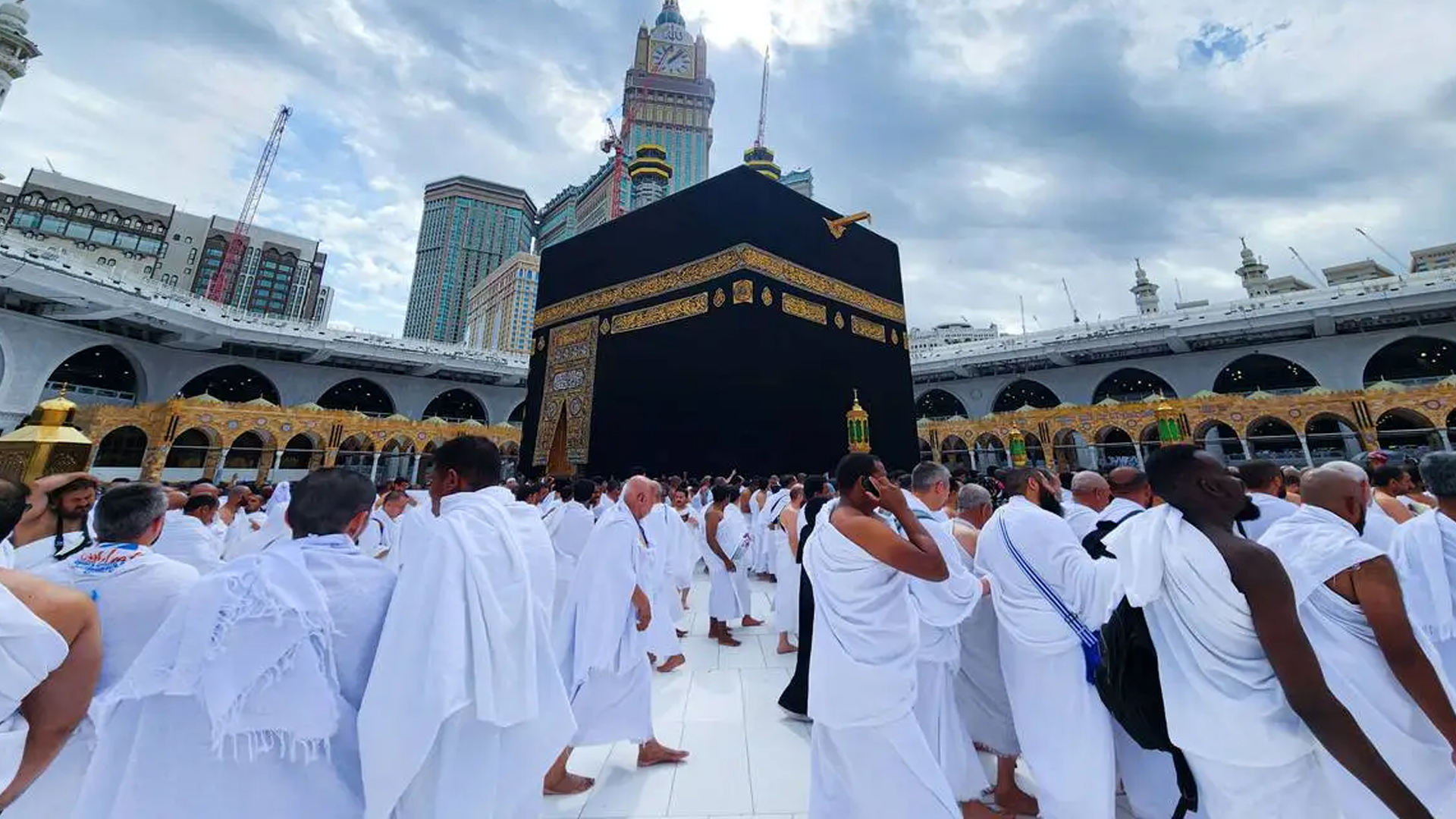
Pack light. Useful items include two Ihram sets, unscented toiletries, comfortable sandals, and clothes suited to the weather. Wear footwear you’ve already tested rather than a new pair.
A 5–7-day Umrah journey may cost about $1,200–$1,800. This includes flights from India, hotels, and meals. Your final cost will depend on travel dates, room type, and flight route.
Leave open time in your daily plan. Delayed transport, lift queues, tiredness, or a changed prayer route can upset a tight schedule. One free afternoon can be more useful than another rushed outing.
Learn a few simple Arabic greetings, including “As-salamu Alaikum.” Mosque staff serve pilgrims from many countries, so be patient if communication takes time. Show your hotel card or map if spoken directions aren’t clear.
You may also carry a small journal and a written dua list. This helps you remember the people and matters you want to pray for. Quiet reflection in your room can be as valuable as filling every hour outside.
What makes a calm and meaningful Umrah?
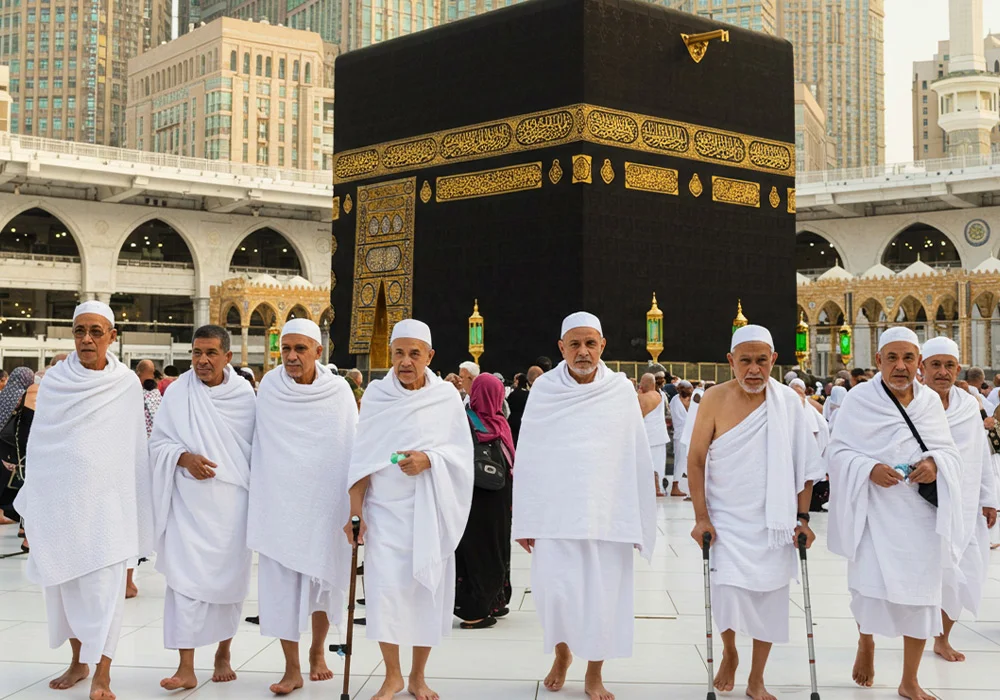
A relaxed Umrah for retirees begins with honest planning. Book an accessible hotel, choose calmer ritual times, and rest before you become exhausted. Use buses or other suitable transport to protect your energy.
Keep Madinah manageable rather than trying to see everything. Carry only what you need, and accept help with luggage or wheelchairs. If you’re travelling with a group, make sure its pace suits you.
Most of all, don’t compare your journey with someone else’s. Age, health, and mobility differ from one pilgrim to another. A slower Umrah filled with prayer and patience can be a deeply rewarding journey.
What do retirees often ask?
Is Umrah for retirees safe in Makkah?
Makkah has security staff, signs, and medical stations around Masjid al-Haram. These services support pilgrims, but you should still take normal care. Stay in a licensed hotel and keep your room details with you.
Avoid very heavy crowds if you feel unsteady or breathless. Dhuhr and other busy prayer periods can involve tight queues at gates and lifts. If you become separated, ask uniformed staff for help.
How should retirees pace the Umrah rituals?
Begin Tawaf only when you have enough energy to continue with Sa’i. Take permitted breaks, drink Zamzam, and use seating areas. Don’t rush because companions are moving faster.
Plan optional prayers and repeat mosque visits across several days. Choose less crowded periods where possible. A steady pace protects your strength and gives you more space for sincere prayer.
Are medical services available during Umrah?
Yes. Medical stations and free clinics offer basic care around Masjid al-Haram and Al-Masjid an-Nabawi. Ask mosque staff for the nearest medical point if you feel unwell.
Bring enough prescribed medicine and speak to your doctor before travel. Know the name of each medicine and why you take it. Staying near medical help can give older pilgrims extra peace of mind.
Can retirees visit Madinah comfortably?
Yes, if the visit is kept simple. The Haramain Railway costs around SAR 75–150 and takes about two hours from Makkah. Allow extra time inside the stations because the walking distances can be tiring.
Book near Al-Masjid an-Nabawi and reserve a Rawdah slot through the relevant app. Don’t plan several long visits on the same day. Return to the hotel and rest whenever you need to.
How can retirees stay spiritually focused?
Prepare a dua list before leaving home. Set aside time for prayer at Masjid al-Haram and quiet worship in your room. If your health permits, you may also pray voluntary prayers such as Tahajjud.
Write down your reflections and join group prayers when comfortable. Spiritual focus doesn’t require constant activity. Rest can help you return to worship with better attention and calm.
When you’re ready to price a stay, you can compare Madinah hotels near the Prophet’s Mosque and see what fits your dates and budget.
You Might Also Like
Akhil Shariff ✓
Umrah Specialist with 10+ years experience
Akhil Shariff is an Umrah specialist with over 10 years of experience arranging hotels, transfers and ziyarath for pilgrims travelling to Makkah and Madinah. He works with hotel partners on the ground in both cities and reviews every guide against what pilgrims actually report back.
🏆 Verified Expert
Frequently Asked Questions About Umrah for Retirees
- Is Umrah safe for elderly or retired pilgrims?
- Yes, Umrah is considered safe for retirees thanks to strong security and medical support at Masjid al-Haram. Retired pilgrims should book licensed hotels near the mosque and stick to off-peak hours to minimize any risks, and always carry a basic comfort kit for peace of mind.
- How can I reduce walking and physical strain during Umrah?
- Book hotels very close to Masjid al-Haram, use Makkah’s electric buses, and pace rituals over several days. Prioritizing accommodations with elevators and wheelchair access further reduces strain and ensures you can focus on worship, not exhaustion.
- What’s the best time for retirees to perform rituals at the mosque?
- Early mornings after Fajr and late nights after Isha are the best times for retirees to perform rituals due to lighter crowds. Using mosque apps to check current crowd levels helps you avoid physical stress and enjoy a calmer prayer experience.
- Can I join a group if I am traveling alone as a retired pilgrim?
- Yes, many Indian retirees join or form groups for support and social connection at Masjid al-Haram. You can contact Indian community centers or mosques before travel to learn about group meeting times, and benefit from practical tips and companionship.
- Are medical facilities available in Makkah and Madinah for retirees?
- Free medical clinics providing basic care are available at Masjid al-Haram and Al-Masjid an-Nabawi. It’s wise for retirees to carry personal medications and consult their doctor before traveling, and booking hotels near medical stations adds an extra layer of reassurance.
- How much should I budget for Umrah as a senior traveler from India?
- For a 5–7 day Umrah trip, budget approximately $1,200–$1,800, covering flights, accommodation, and meals. Booking several months ahead and choosing budget-friendly yet accessible hotels helps manage costs while keeping comfort a priority.
- What should I pack to make Umrah easier as a retiree?
- Pack light and focus on essentials like two sets of Ihram, unscented toiletries, comfortable sandals, daily medications, and a small comfort kit. A foldable chair and a refillable bottle for Zamzam water are useful for resting during longer prayers.
- Can retirees comfortably visit Madinah during Umrah?
- A short visit to Madinah is practical for retirees, especially using the fast Haramain Railway between cities. Booking hotels close to Al-Masjid an-Nabawi and reserving Rawdah slots ahead ensures your stay is spiritually rewarding without being physically demanding.
Ready to Book Your Umrah Journey?
Compare verified hotels in Makkah and Madinah with guaranteed best prices.
Browse Hotels →